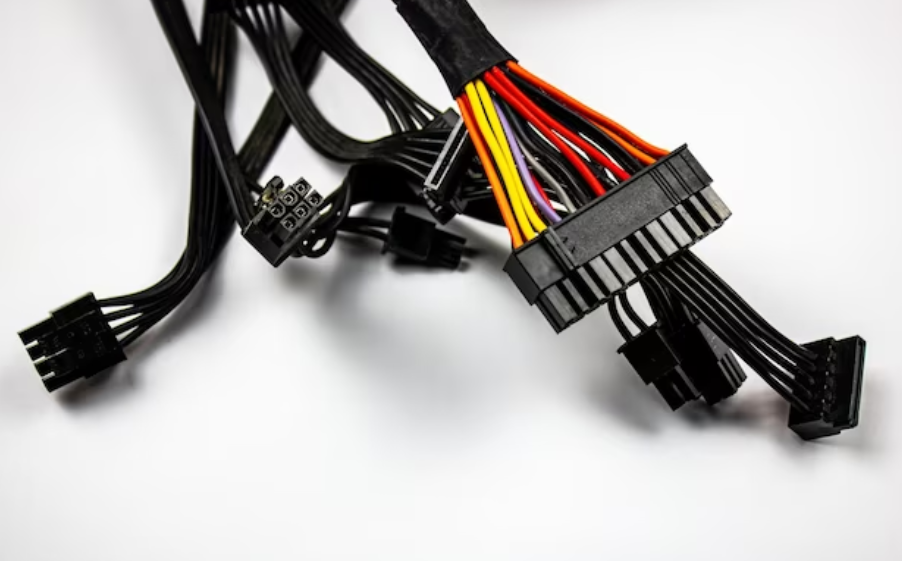
As our world faces mounting environmental challenges, the electronics industry is recognizing its responsibility to adopt sustainable practices and reduce its ecological footprint. The production of electronic harnesses, which are critical components in various devices, plays a significant role in this endeavor. In this blog, we will explore the concept of sustainability in electronics harness solutions and the strides being made to create a greener future.
Understanding Electronics Harness and Its Impact:
Electronics harnesses, also known as wire harnesses or cable assemblies, are integral to the functioning of electronic devices. They consist of multiple wires or cables that are bound together and often encased in protective sleeves. These harnesses facilitate the organized and efficient transfer of data and power between different components within a device, ensuring seamless communication and operation.
The manufacturing process of electronic harnesses involves the use of various materials, such as metals, plastics, and insulating materials. Historically, the industry's reliance on non-renewable resources and energy-intensive processes has contributed to environmental challenges, including resource depletion and increased greenhouse gas emissions.
The Shift towards Sustainability:
In recent years, there has been a growing awareness of the need for sustainability in the electronics industry. Companies are increasingly focusing on implementing eco-friendly practices and developing sustainable electronics harness solutions to create a greener future. Several key initiatives are driving this shift:
1. Material Selection:
- Sustainable harness solutions involve careful selection of materials with lower environmental impact. Companies are opting for recyclable and biodegradable materials whenever possible to reduce waste.
2. Energy Efficiency:
- Manufacturers are investing in energy-efficient production processes, utilizing renewable energy sources to power their operations, and reducing overall energy consumption.
3. Waste Reduction:
- Adopting lean manufacturing practices helps minimize waste generation during the production of electronics harnesses. Recycling and reusing materials further reduce the ecological impact.
4. Design for Disassembly:
- Harness designs that allow for easy disassembly at the end of a product's life promote recycling and proper disposal of components, reducing electronic waste.
5. Environmentally Friendly Coatings:
- The use of eco-friendly coatings and insulating materials that do not contain harmful substances is gaining traction, reducing the potential environmental impact during disposal.
6. Extended Product Lifespan:
- Creating durable and reliable electronic harnesses ensures that products have a longer lifespan, reducing the need for frequent replacements and lowering overall resource consumption.
7. Closed-Loop Systems:
- Some manufacturers are exploring closed-loop systems where end-of-life harnesses are collected, disassembled, and recycled to create new harnesses or other electronic components.
Benefits of Sustainable Electronics Harness Solutions:
The adoption of sustainable practices in electronics harness manufacturing brings forth several benefits for both the industry and the environment:
- Reduced Environmental Impact: Sustainable harness solutions significantly reduce greenhouse gas emissions, waste generation, and the consumption of non-renewable resources.
- Enhanced Brand Image: Companies that embrace sustainability demonstrate their commitment to environmental responsibility, earning the trust and loyalty of eco-conscious consumers.
- Cost Savings: Sustainable practices can lead to long-term cost savings by optimizing resource usage and streamlining production processes.
- Regulatory Compliance: As environmental regulations become more stringent, companies with sustainable practices are better positioned to comply with evolving standards.
- Innovation and Market Differentiation: Embracing sustainability often drives innovation, leading to the development of cutting-edge technologies and unique product offerings that appeal to environmentally conscious consumers.
Collaboration for a Greener Future:
Achieving a truly sustainable electronics harness industry requires collaboration among manufacturers, suppliers, regulators, and consumers. Here's how each stakeholder can contribute to a greener future:
1. Manufacturers:
- Prioritize sustainability in the production process by adopting eco-friendly materials, efficient manufacturing techniques, and responsible waste management practices.
2. Suppliers:
- Supply sustainable materials and components to manufacturers, encouraging the use of environmentally friendly alternatives.
3. Regulators:
- Develop and enforce stringent environmental standards and regulations to promote sustainable practices in the electronics industry.
4. Consumers:
- Support sustainable products and practices by choosing electronics from companies committed to environmental responsibility.
Conclusion:
Sustainable electronics harness solutions are driving positive change in the electronics industry, paving the way for a greener and more eco-conscious future. As more companies embrace sustainability and work together to minimize their environmental impact, we can create a collective force for change. By prioritizing the use of renewable resources, optimizing production processes, and reducing waste, the electronics harness industry can make significant strides towards building a sustainable world for generations to come. As consumers, let's also play our part by making conscious choices and supporting companies that are committed to a greener and more sustainable future. Together, we can ensure a healthier planet and a brighter future for all.