Introduction
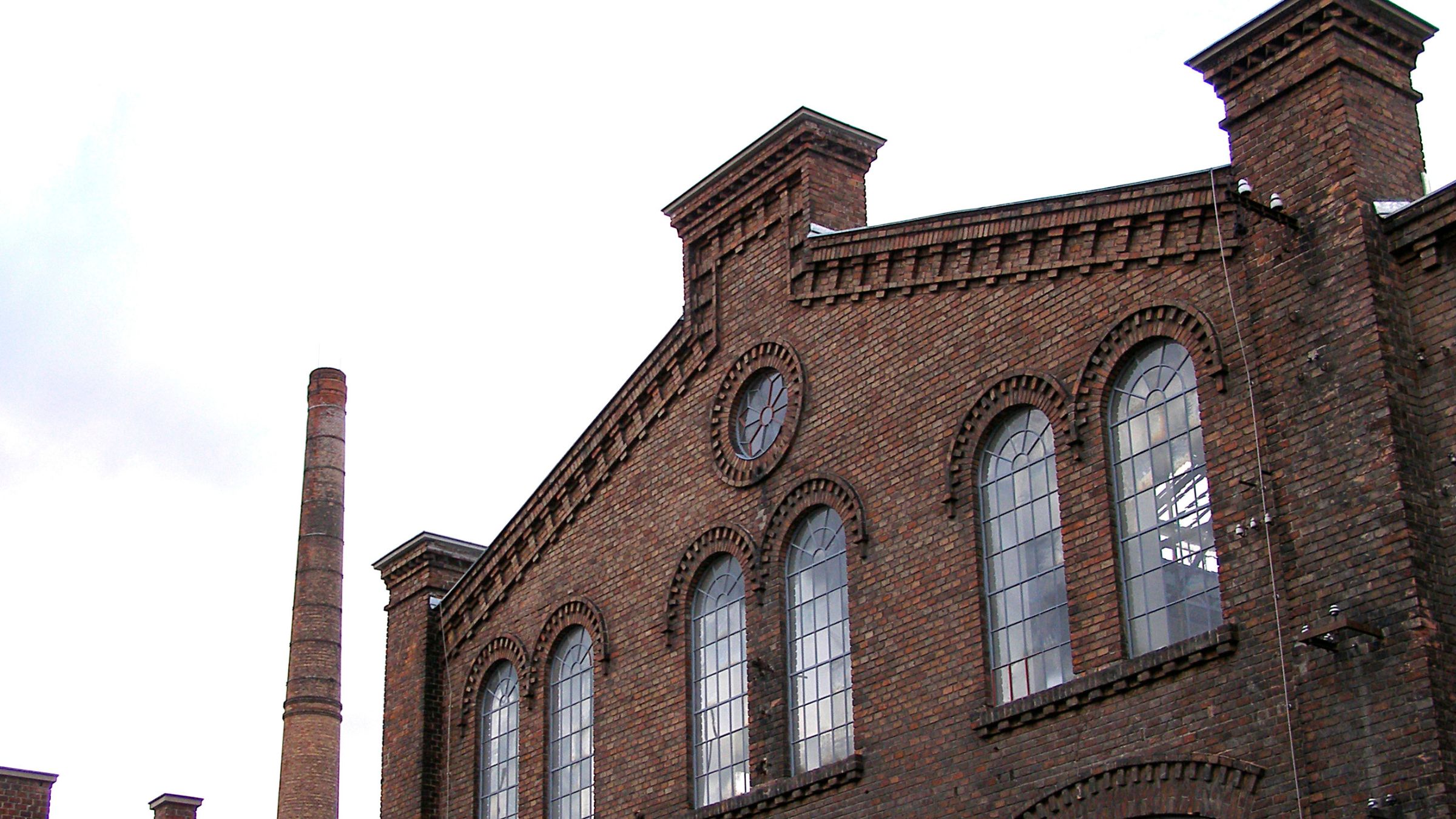
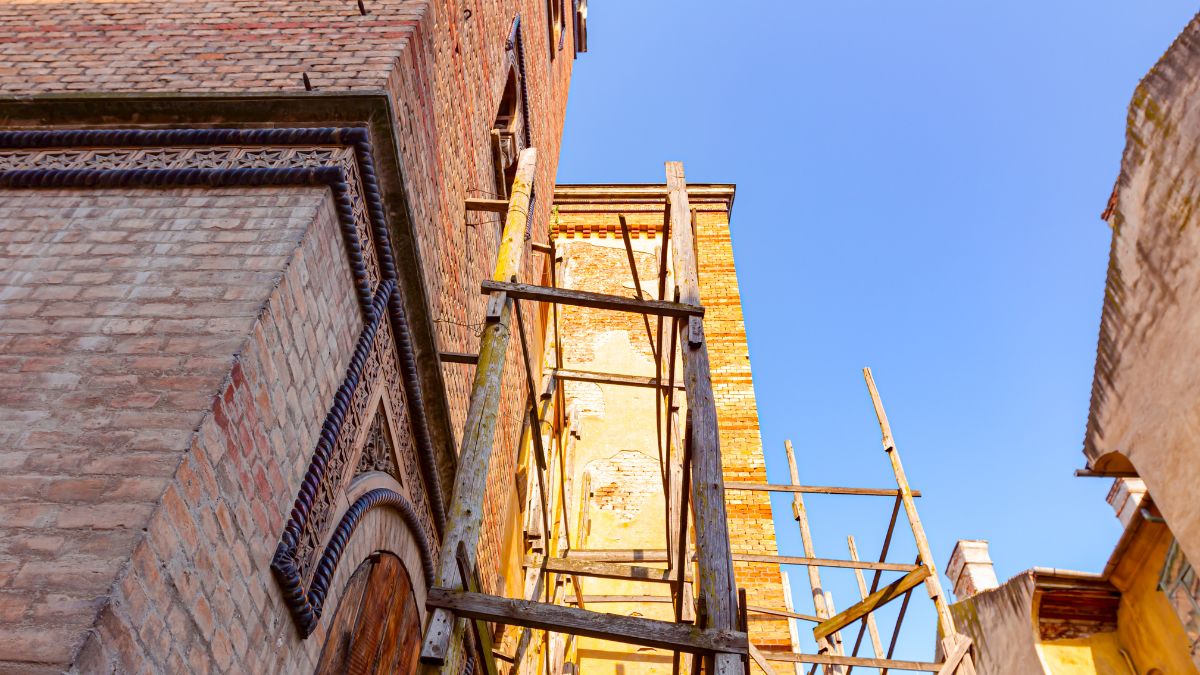
The charm of historic buildings lies not just in their architecture but also in the stories they hold. One of the most significant features of these structures is their brick facades, which add character and elegance. However, over time, these facades can deteriorate due to various factors like weather, pollution, and neglect. Brick facade restoration is a crucial process that allows us to preserve the beauty of the past and maintain the structural integrity of these heritage buildings.
Understanding Brick Facade Deterioration
Natural Wear and Tear
Bricks are porous materials, making them susceptible to wear and tear from natural elements such as rain, wind, and sun exposure.
Environmental Pollution
Air pollution, particularly in urban areas, can cause a buildup of dirt and grime on the brick surfaces, leading to discoloration and degradation.
Water Damage
Moisture infiltration can weaken the bricks and mortar joints, leading to cracking and spalling.
Biological Growth
Algae, moss, and lichens can grow on the brick facade, promoting deterioration.
The Restoration Process
Inspection and Assessment
The first step in the restoration process is to conduct a thorough inspection of the brick facade. Trained professionals assess the extent of damage, identify underlying issues, and plan the restoration accordingly.
Cleaning
The cleaning process involves removing dirt, stains, and biological growth from the brick surface. Various methods, such as pressure washing and chemical cleaning, are used, considering the brick's age and condition.
Repointing
Repointing is the process of renewing the mortar joints between bricks. This step helps in enhancing the structural stability of the facade.
Repairing and Replacing Bricks
Damaged bricks are carefully repaired or replaced with matching materials to maintain the architectural integrity.
Surface Repairs
Surface repairs involve fixing cracks, spalling, and other visible damages on the brick facade.
Water Repellent Treatment
Applying a water repellent sealer helps protect the restored brick facade from moisture damage in the future.
The Importance of Professional Restoration
Retaining Historical Value
Professional restoration ensures that the brick facade retains its historical value and authenticity.
Structural Integrity
By addressing underlying issues, restoration enhances the structural integrity of the building.
Preventing Further Damage
Timely restoration prevents further deterioration, saving the building from potential costly repairs.
Aesthetics and Appeal
Restored brick facades contribute to the overall aesthetics of the building, making it visually appealing.
Conclusion
Preserving the brick facades of historic buildings through professional restoration is vital to maintaining our architectural heritage. By understanding the causes of deterioration and following a meticulous restoration process, we can ensure that these beautiful structures stand the test of time.
FAQs
Q1: How often should a brick facade be restored?
A1: The frequency of restoration depends on factors like the building's age, location, and exposure to environmental elements. As a general guideline, periodic inspections and maintenance every 15 to 20 years are recommended.
Q2: Can I restore a brick facade myself?
A2: Brick facade restoration requires specialized knowledge, skills, and equipment. It is best to hire a professional restoration company to ensure the job is done correctly and safely.
Q3: Does brick facade restoration increase property value?
A3: Yes, a well-restored brick facade can significantly increase the property's value. It enhances curb appeal and attracts potential buyers or tenants.
Q4: How long does the restoration process take?
A4: The duration of the restoration process varies depending on the extent of damage and the size of the building. It can take several weeks to a few months.
Q5: Is brick facade restoration eco-friendly?
A5: Yes, many restoration techniques are environmentally friendly. Professional restoration companies often use eco-friendly cleaning agents and materials to minimize the impact on the environment.