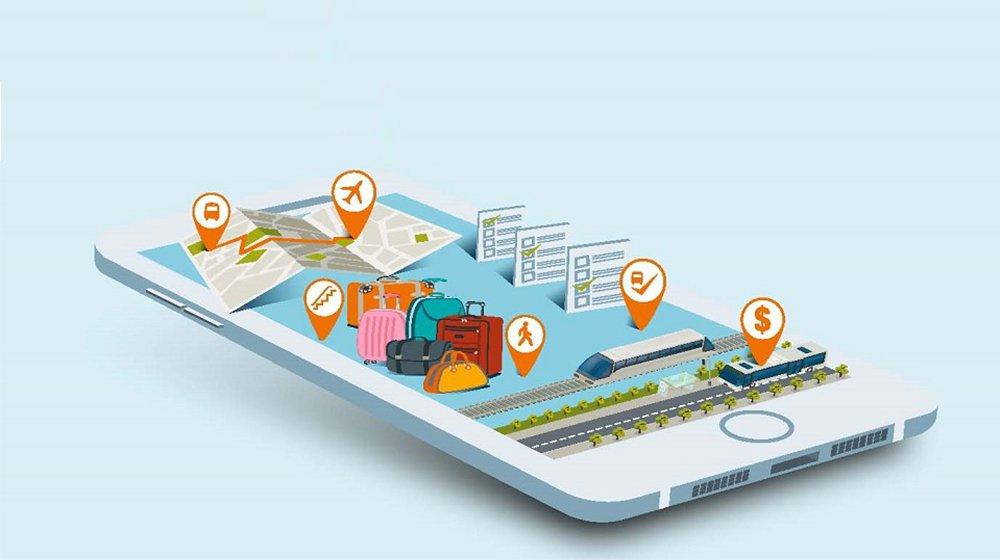
The emergence of e-hailing platforms has revolutionized the smart mobility market by offering convenient, on-demand transportation services to millions of users worldwide. E-hailing platforms, such as Uber, Lyft, and Grab, utilize mobile apps to connect passengers with drivers, enabling efficient and cost-effective travel options.
One of the significant advantages of e-hailing platforms is their ability to enhance urban mobility. With just a few taps on a smartphone, users can request a ride, eliminating the need to search for taxis or wait at designated pick-up points. This convenience has encouraged many people to opt for e-hailing services, reducing the reliance on private car ownership and alleviating traffic congestion in cities.
Moreover, e-hailing platforms have contributed to the growth of shared mobility. By allowing multiple passengers to share a single ride, these platforms promote more efficient use of vehicles and reduce overall carbon emissions. Shared rides are particularly popular in densely populated areas, where they offer an affordable alternative to traditional transportation options.
The smart mobility market has also experienced increased innovation due to the competition among e-hailing companies. These platforms continually introduce new features and services to attract users and improve customer experience. For instance, some platforms have integrated electric or hybrid vehicles into their fleets, promoting sustainable transportation options.
However, the rise of e-hailing platforms has not been without challenges. Regulatory issues, including concerns about driver safety, fair labor practices, and licensing requirements, have been points of contention in many regions. Additionally, as e-hailing platforms collect vast amounts of user data, data privacy and security have become critical concerns, which we will explore further in the next topic.
The emergence of e-hailing platforms has significantly impacted the smart mobility market, reshaping urban transportation, promoting shared mobility, and fostering innovation. As these platforms continue to evolve, it will be essential for stakeholders to address regulatory and privacy challenges to ensure the sustainable growth of the smart mobility ecosystem.