Introduction
In the realm of biotechnology, the role of cutting-edge technologies is pivotal in unraveling the mysteries of life and harnessing its potential for the betterment of humanity. One such technology that has emerged as a cornerstone in biotechnological research and applications is the Environmental Test Chamber. This article explores the significance, advancements, and diverse applications of Environmental Test Chambers within the realm of biotechnology.
Understanding Environmental Test Chambers
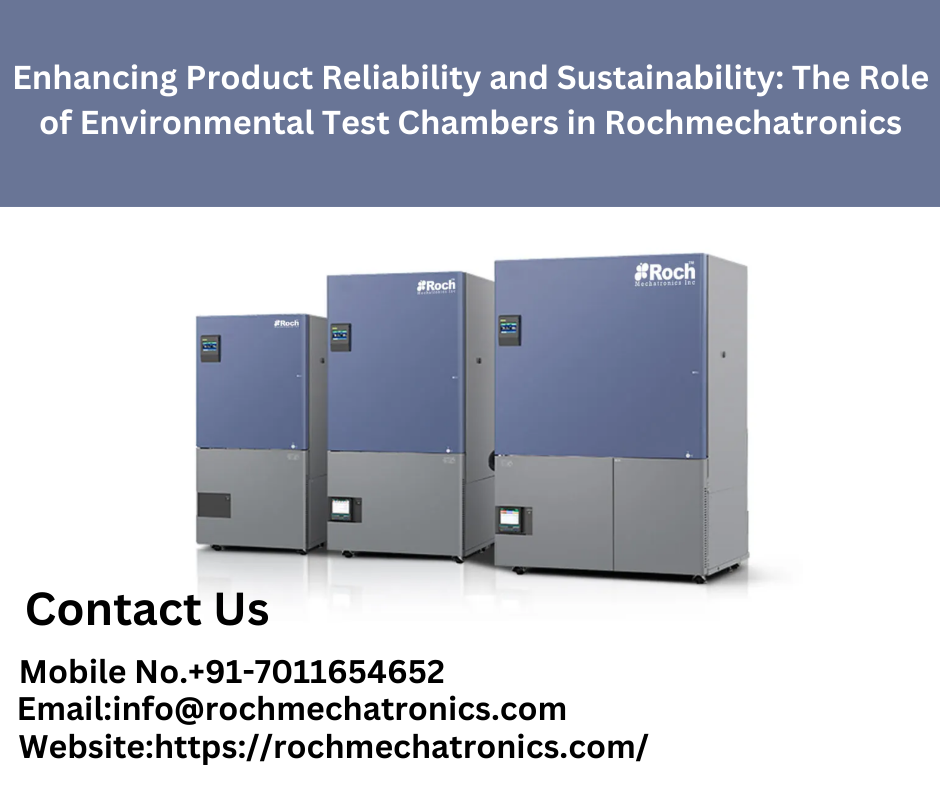
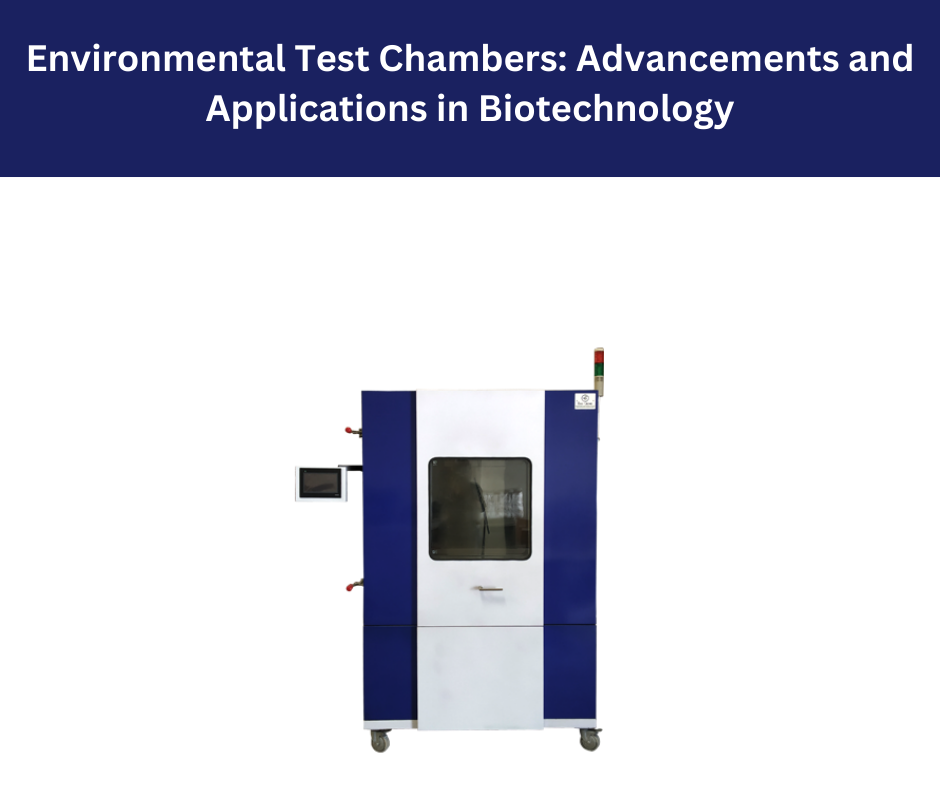
Environmental Test Chambers, often referred to as Environmental Chambers or Climatic Chambers, are specialized equipment designed to create controlled and replicable environmental conditions. These chambers simulate various factors, such as temperature, humidity, light, and sometimes even pressure, to mimic real-world conditions or create extreme scenarios for testing and research purposes.
The Significance of Environmental Test Chambers in Biotechnology
1. Research Advancements: Environmental Test Chambers have revolutionized biotechnological research by providing scientists with a controlled platform to study the effects of specific environmental conditions on living organisms. This controlled environment allows researchers to investigate the impact of various factors on growth, development, and behavior, leading to valuable insights into biological processes.
2. Climate Change Studies: In the context of climate change, Environmental Test Chambers play a critical role in studying the responses of different organisms to changing environmental conditions. By simulating future climate scenarios, scientists can predict how species might adapt or be affected by alterations in temperature, humidity, and CO2 levels.
3. Crop Improvement and Genetic Engineering: Environmental Test Chambers are indispensable tools in crop improvement and genetic engineering efforts. Researchers can manipulate the chamber's conditions to test the performance of genetically modified plants under different stressors, aiding in the development of more resilient and productive crop varieties.
4. Drug Discovery and Pharmaceuticals: In the pharmaceutical industry, these chambers are used to assess the stability and shelf-life of drugs under varying conditions. Environmental Test Chambers facilitate accelerated testing of drug formulations, helping to bring safe and effective medications to the market faster.
5. Microbial Studies: Microorganisms are highly responsive to changes in their environment. Environmental Test Chambers enable researchers to study microbial behavior, growth patterns, and interactions in controlled conditions, contributing to advancements in microbiology and biotechnology.
6. Biomimicry and Bioinspired Design: Researchers draw inspiration from nature for innovative designs and technologies. Environmental Test Chambers allow them to study how organisms adapt to their environment, leading to bioinspired solutions in various fields, from material science to engineering.
Advancements in Environmental Test Chambers
Over the years, significant advancements have been made in the design and capabilities of Environmental Test Chambers, enhancing their utility and impact in biotechnology:
1. Precise Control Systems: Modern Environmental Test Chambers are equipped with sophisticated control systems that enable precise adjustments of temperature, humidity, light cycles, and other parameters. This level of control ensures accurate and reproducible experimental results.
2. Integration of Sensors and Automation: Integration of sensors and automation technology allows real-time monitoring and adjustment of conditions within the chamber. Researchers can remotely control experiments and collect data without disturbing the controlled environment.
3. Customizable Configurations: Environmental Test Chambers come in various sizes and configurations to accommodate different research needs. Some chambers are designed for small-scale experiments, while others can accommodate larger specimens or multiple experiments simultaneously.
4. Multi-Chamber Systems: Advanced setups include multi-chamber systems that allow researchers to run parallel experiments with different conditions. This expedites data collection and analysis, optimizing research efficiency.
5. Enhanced Energy Efficiency: Energy-efficient designs and improved insulation contribute to reduced energy consumption and operational costs, making Environmental Test Chambers more sustainable and economical.
Applications of Environmental Test Chambers in Biotechnology
1. Plant Growth Studies: Environmental Test Chambers are extensively used in studying plant growth, development, and responses to stressors. Researchers can simulate various climate conditions and test the performance of crops, contributing to enhanced agricultural practices and food security.
2. Microbial Fermentation: In bioprocessing, Environmental Test Chambers are employed to optimize microbial fermentation processes. The controlled environment ensures consistent conditions, leading to improved yields of biofuels, enzymes, and other bioproducts.
3. Pharmaceutical Stability Testing: Pharmaceuticals must remain stable under different storage conditions. Environmental Test Chambers assess drug stability, degradation rates, and potential interactions under varying temperature and humidity levels.
4. Insect Rearing and Pest Control: Environmental Test Chambers support insect rearing for research purposes and aid in developing environmentally friendly pest control strategies.
5. Ecotoxicology and Pollution Studies: Researchers use these chambers to investigate the effects of pollutants and contaminants on aquatic and terrestrial organisms, providing insights into environmental health and conservation efforts.
6. Biological Research: Environmental Test Chambers facilitate studies on a wide range of organisms, from bacteria to animals, allowing researchers to delve into various biological processes and behaviors.
Conclusion
Environmental Test Chambers stand as remarkable tools at the intersection of technology and biotechnology. Their ability to replicate and manipulate environmental conditions empowers researchers to unlock the secrets of life and address critical challenges in agriculture, pharmaceuticals, ecology, and beyond. As advancements continue to drive innovation in biotechnology, Environmental Test Chambers will play an increasingly vital role in shaping the future of scientific discovery and technological progress.