


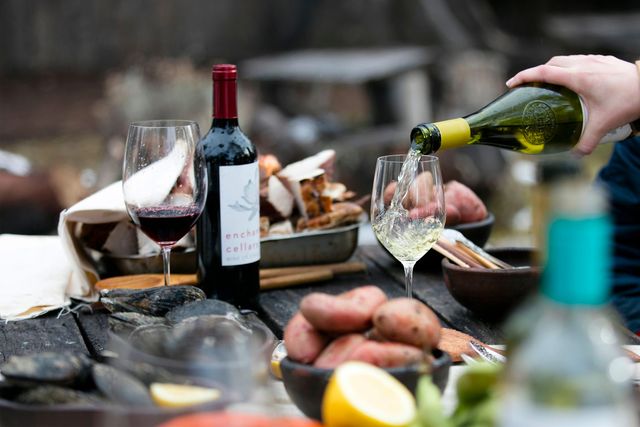
Welcome to the enchanting world of wine, where every sip tells a story and every bottle holds centuries of tradition. Whether you're a wine connoisseur or a curious novice, this Wine Blog is your key to unlocking the secrets of this timeless beverage. From the rolling vineyards of France to the sun-kissed hills of Italy, we'll take you on a journey of exploration, revealing the art and science behind each glass. Discover the intricate flavors, the delicate aromas, and the fascinating history that make wine a true work of art. With expert tips on tasting, pairing, and collecting, you'll gain the confidence to navigate the vast world of wine with ease. So uncork your curiosity, grab a glass, and let's embark on this delightful adventure together. Cheers to discovering the hidden treasures that lie within each bottle!
The Art of Wine Tasting
Wine tasting is an art that allows us to fully appreciate the complexity and nuances of this delightful beverage. It is an experience that engages all our senses, from the visual appeal of the wine in the glass to the lingering taste on our palate. To begin your journey into the world of wine tasting, start by observing the color and clarity of the wine. Hold the glass up to the light and take note of any variations in hue, from pale straw to deep ruby red. This visual assessment can give you insights into the grape variety, age, and winemaking techniques.
Next, it's time to engage your olfactory senses. Swirl the wine gently in the glass to release its aromas, then take a moment to inhale deeply. Notice the different scents that waft up, such as fruity notes of berries or citrus, floral hints of jasmine or rose, or earthy aromas like leather or tobacco. These aromas provide valuable clues about the wine's origin, grape variety, and aging process.
Now comes the moment you've been waiting for – the taste test. Take a small sip and let the wine coat your palate. Pay attention to the flavors that unfold, from the initial burst of fruitiness to the more subtle undertones of oak, spice, or mineral. Notice the acidity, tannins, and body of the wine, which can vary depending on its style and origin. Allow yourself to fully savor the wine, taking note of its texture, balance, and length of finish. By honing your tasting skills, you'll be able to discern the characteristics that make each wine unique and appreciate the craftsmanship behind it.
Wine Regions Around the World
One of the most exciting aspects of exploring the world of wine is discovering the diverse regions where it is produced. Each wine-growing region has its unique terroir, which encompasses the climate, soil, and topography that influence the grapes' growth and flavor profile. Let's embark on a virtual tour of some renowned wine regions around the world.
- France: No discussion of wine regions would be complete without mentioning France, the birthplace of many esteemed wine styles. From the prestigious vineyards of Bordeaux to the picturesque landscapes of Burgundy, France offers a wealth of wine experiences. Bordeaux is famous for its elegant red blends, while Burgundy is renowned for its world-class Pinot Noir and Chardonnay. Other notable regions include the Rhône Valley, Champagne, and Alsace.
- Italy: Italy is a treasure trove of wine regions, each with its own distinct character and grape varieties. Tuscany, with its rolling hills and iconic architecture, is home to the revered wines of Chianti and Brunello di Montalcino. In the north, Piedmont boasts the majestic Barolo and Barbaresco, made from the Nebbiolo grape. Other notable regions include Veneto, known for its sparkling Prosecco, and Sicily, where you can find rich and robust reds.
- Spain: Spain is a country with a rich winemaking heritage, producing a wide range of wines that reflect its diverse terroir. Rioja, located in the north, is famous for its aged red wines made primarily from Tempranillo grapes. In Catalonia, you'll find the world-renowned sparkling wine region of Cava. And in the sun-drenched region of Andalusia, the fortified wine known as Sherry is produced.
- United States: The United States has emerged as a prominent player in the global wine industry, with California leading the way. Napa Valley is synonymous with high-quality Cabernet Sauvignon, while Sonoma County is known for its diverse range of varietals, including Chardonnay and Pinot Noir. Other notable regions include Oregon, which specializes in Pinot Noir, and Washington State, renowned for its bold and robust red wines.
- Australia: Down under, Australia offers a vibrant and diverse wine scene. The Barossa Valley in South Australia is known for its rich and full-bodied Shiraz, while the Margaret River region in Western Australia produces exceptional Cabernet Sauvignon and Chardonnay. The Hunter Valley in New South Wales is renowned for its Semillon, and the Yarra Valley in Victoria is famous for its cool-climate wines, such as Pinot Noir and Chardonnay.
These are just a few examples of the countless wine regions waiting to be discovered. Each region has its own unique terroir, grape varieties, and winemaking traditions, making the world of wine an endless source of exploration and enjoyment.
Pairing Wine with Food
Wine and food have been companions for centuries, with each enhancing the flavors of the other. The right combination can elevate a meal to new heights, creating a harmonious balance of tastes and textures. Here are some tips to help you master the art of wine and food pairing.
- Match intensity: When pairing wine with food, it's important to consider the intensity of both. Lighter-bodied wines, such as Sauvignon Blanc or Pinot Noir, pair well with delicate dishes like seafood or salads. On the other hand, fuller-bodied wines, like Cabernet Sauvignon or Syrah, can stand up to heartier dishes like grilled meats or rich stews. Matching the intensity ensures that neither the wine nor the food overpowers the other.
- Consider flavors: Look for complementary flavors when pairing wine and food. For example, a crisp and acidic white wine can cut through the richness of creamy dishes, while a fruity and spicy red wine can complement the flavors of grilled or roasted meats. Consider the dominant flavors in both the wine and the dish and find common ground to create a balanced pairing.
- Balance sweetness: When pairing wine with desserts or sweet dishes, it's essential to ensure that the wine is sweeter than the food. A dessert wine like Port or Sauternes can bring out the flavors of a rich chocolate dessert, while sparkling wine can add a refreshing touch to fruit-based desserts. The key is to find the right balance of sweetness to avoid overpowering the palate.
- Experiment and have fun: Wine and food pairing is not an exact science, and personal preference plays a significant role. Don't be afraid to experiment and trust your own taste buds. Some unexpected combinations might turn out to be delightful surprises. Remember, the ultimate goal is to enhance your dining experience and create memorable moments with friends and loved ones.
By exploring the world of wine and food pairing, you'll open up a whole new realm of culinary possibilities. So go ahead, indulge your senses, and let your taste buds be your guide.
Tips for Building a Wine Collection
Building a wine collection can be a rewarding and enjoyable experience. Whether you're a seasoned collector or just starting out, here are some tips to help you curate a collection that reflects your tastes and interests.
- Start with the basics: Begin by stocking your collection with versatile wines that can be enjoyed on various occasions. Choose a mix of reds, whites, and sparkling wines from different regions and grape varieties. This will allow you to explore different styles and discover your preferences.
- Consider aging potential: Some wines are meant to be enjoyed young, while others benefit from aging. If you're interested in building a collection for the long term, look for wines with aging potential. Bordeaux, Burgundy, and Barolo are examples of wines that can develop complex flavors and improve with age. Proper storage conditions, such as a cool and dark cellar, are essential for aging wines.
- Seek expert advice: Building a wine collection can be daunting, especially with the vast array of options available. Don't hesitate to seek advice from wine professionals or trusted sources. Wine critics, sommeliers, and knowledgeable wine merchants can provide valuable guidance on which wines to invest in and when to drink them.
- Join wine clubs or societies: Consider joining wine clubs or societies to expand your knowledge and access exclusive wines. These organizations often offer tastings, events, and educational resources that can enhance your wine-collecting journey. Networking with other wine enthusiasts can also provide opportunities to discover new wines and share experiences.
- Document and track your collection: Keep a record of the wines in your collection, including details such as vintage, producer, and tasting notes. This will help you keep track of your inventory and ensure that you drink your wines at their peak. Online cellar management tools and apps can assist in organizing and cataloging your collection.
- Enjoy and share your collection: Remember that the ultimate purpose of a wine collection is to be enjoyed. Host tastings, dinner parties, or casual get-togethers to share your wines with friends and loved ones. Exploring and experiencing wines together can create lasting memories and deepen your appreciation for this timeless beverage.
Conclusion: Cheers to Your Wine Exploration Journey!
As we come to the end of our wine exploration journey, I raise my glass to you – the curious wine enthusiast, the aspiring sommelier, or the adventurous novice. The world of wine is a treasure trove of flavors, aromas, and history waiting to be discovered. From the art of wine tasting to the diverse wine regions around the world, from the intricate dance of wine and food pairing to the joys of building a personal collection, each aspect offers its own unique pleasures.
So embrace your curiosity, continue to explore, and never stop learning. Let the stories within each bottle transport you to far-off lands, where generations of winemakers have poured their hearts and souls into creating something truly remarkable. Cheers to the hidden treasures that lie within each glass, and may your wine journey be filled with endless discoveries and unforgettable moments.


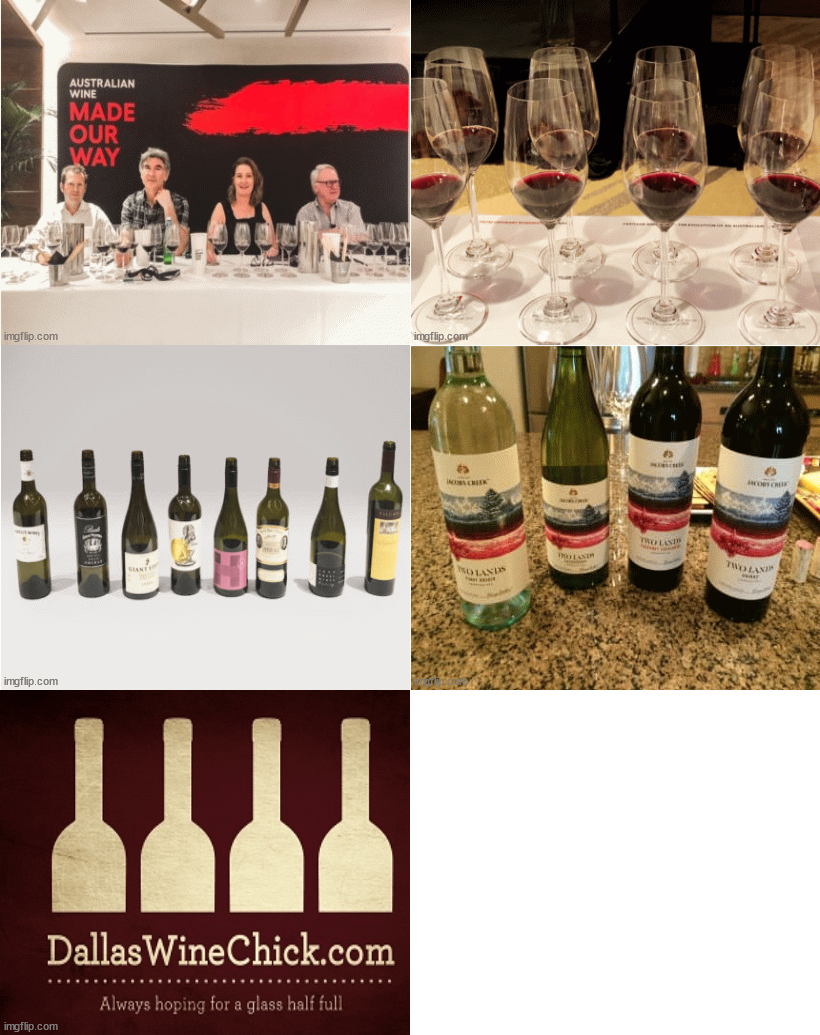
Welcome to the best wine blog, Dallaswinechick.com.
Here you find information on wine, type, Winemakers and their lifestyle.
Get unique information in this blog.
You get winery knowledge, food and culture of different locations.

Chastity Valdes is an American wine blogger when she's not traveling the world on business, she publishes one of the least pretentious blogs on the Web.
It's wise and outspoken, as in a post about the state of wine tasting today.
Many wine blogs are the passionate side project of a wine enthusiast just crazy enough to spend their days off.
As I explore the ever-expanding wine universe, I make it a point to share my discoveries and express my opinions, primarily through my wine blog.
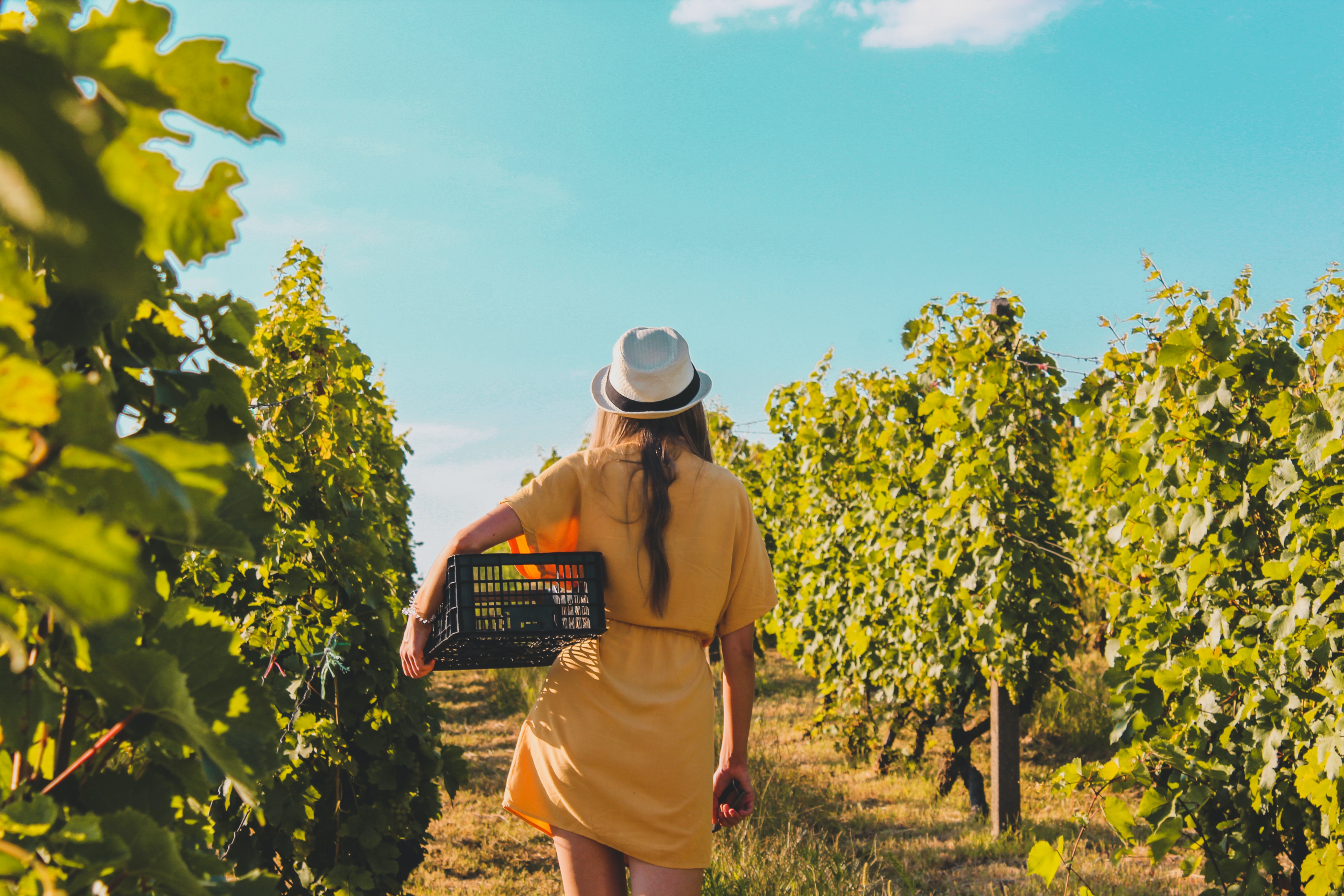
Chastity Valdes’s wine blog and webpage are bursting with information.
She is highly experienced in the world of wine.
Many new wine bloggers may find it difficult to come up with a unique blog name.
In this post, Chastity Valdes has created a large list of popular wine blogs ranging from witty and funny to simply beautiful for you to choose from.
Wine blogs are very popular these days.
This is good for anyone who’s interested in starting a blog about wine, or reviewing wines online…but it can also make things hard if you can’t think of a catchy name.