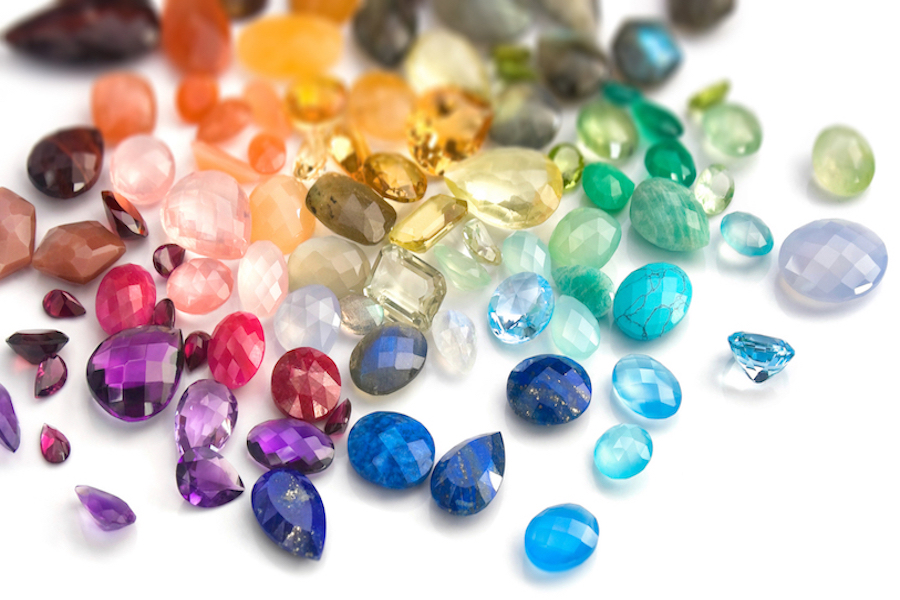
The allure of the ruby gemstone, with its rich red hue and timeless elegance, has captivated gem enthusiasts for centuries. But as you delve into the world of rubies, you'll soon realize that their prices can vary significantly. What influences the price of ruby gemstones, and how can you navigate this intricate landscape? Let's embark on a journey to uncover the factors that shape ruby gemstone prices and gain insights into making informed decisions.
1. The 4 Cs: Color, Clarity, Cut, and Carat:
Similar to other gemstones, the value of a ruby is often determined by the four Cs: color, clarity, cut, and carat weight.
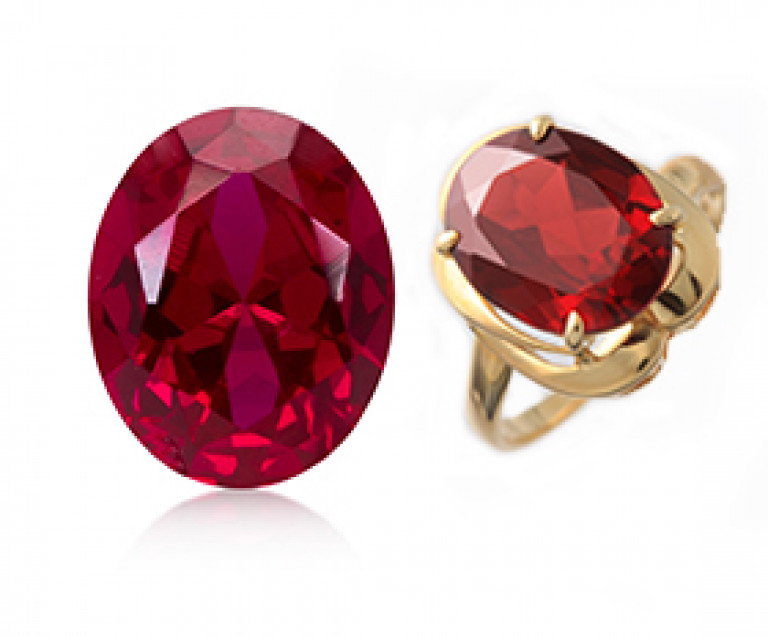
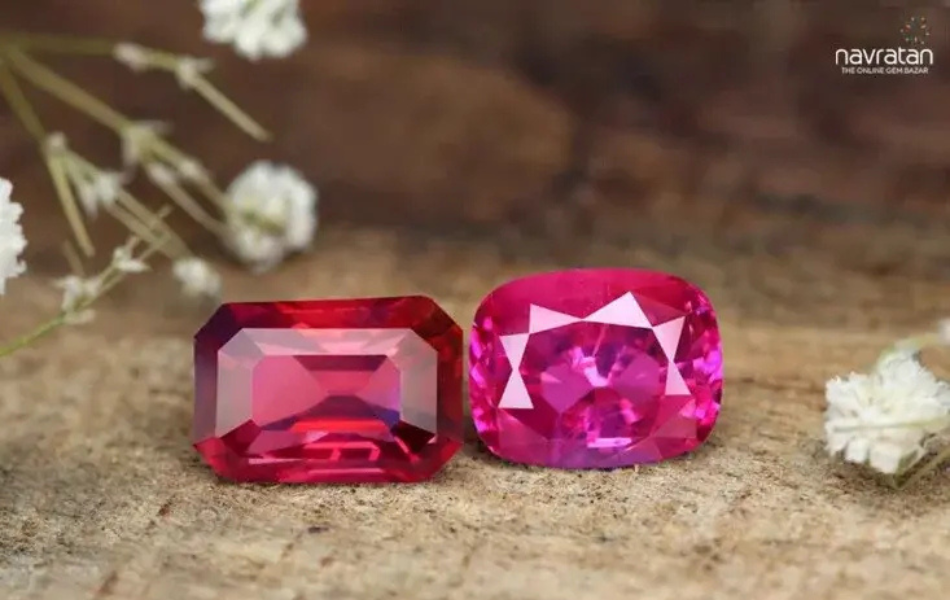
- Color: The color of a ruby is perhaps the most critical factor affecting its price. The ideal ruby displays a vivid, intense red color, often referred to as "pigeon's blood" red. Stones with a more vibrant and evenly distributed red hue command higher prices.
- Clarity: Inclusions, or internal characteristics, are common in rubies. Stones with fewer inclusions are considered more valuable because they allow for better light reflection and brilliance.
- Cut: A well-cut ruby maximizes its color and brilliance. Skilled cutting enhances a ruby's visual appeal and can significantly impact its price.
- Carat Weight: Larger rubies are rarer and thus more valuable. However, other factors, such as color and quality, can outweigh carat weight in determining a ruby's value.
2. Origin and Rarity:
The origin of a ruby can play a significant role in its price. Historically, rubies from Myanmar (Burma) have been highly prized for their exceptional color and quality. Burmese rubies often command higher prices due to their rarity and legendary beauty. Other sources, such as Mozambique and Madagascar, also produce rubies with varying qualities and price points.
Read also : Silver rakhi for brother
3. Treatment and Enhancement:
Many rubies undergo treatments to enhance their color and clarity. Heat treatment is the most common, as it can improve a ruby's color and overall appearance. Heat-treated rubies are generally more affordable than untreated ones. However, untreated, high-quality rubies command a premium due to their rarity.
4. Gemstone Certification:
When purchasing a ruby, it's essential to consider whether it comes with gemstone certification. Reputable gemological laboratories provide certifications that verify a ruby's authenticity, origin, and any treatments it may have undergone. Certified rubies are often more valuable because they provide buyers with confidence in their purchase.
5. Market Demand and Trends:
The demand for ruby gemstones can vary based on fashion trends, cultural preferences, and even historical significance. High demand for specific colors, sizes, and qualities can drive prices upward. Staying informed about market trends can help you make strategic purchasing decisions.
6. Brand and Seller Reputation:
Well-known and reputable brands or sellers often command higher prices for their rubies. The reputation of the seller and the trust they've built with their customers can influence the perceived value of the gemstones they offer.
7. Rarity and Uniqueness:
Ultimately, the rarity and uniqueness of a ruby are significant factors in determining its price. Stones that possess exceptional color, clarity, and size are inherently more valuable due to their scarcity.
In Conclusion: Your Ruby Price Journey
The price of ruby gemstones is a multifaceted puzzle, shaped by factors ranging from color and clarity to origin and rarity. As you embark on your ruby buying journey, keep in mind that education is your most valuable asset. Research the market, understand the importance of the four Cs, and seek reputable sellers who provide gemstone certifications. By navigating this landscape with knowledge and discernment, you can confidently acquire a ruby gemstone that not only fits your budget but also resonates with the fiery elegance and timeless charm that rubies are renowned for.