

 In the world of engineering and industrial automation, the pursuit of efficiency and precision remains a constant endeavor. Pneumatic systems, with their ability to harness the power of compressed air, have played a vital role in achieving these goals. Among the crucial components within pneumatic systems, pneumatic valves stand out as the conductors of a fluidic symphony, orchestrating the flow of air to control machinery and processes with finesse. In this article, we delve into the intricate dance of pneumatic valve systems, exploring their fundamental principles, applications, and how companies like Airmax Pneumatic are contributing to achieving functional harmony in these systems.
Understanding the Fluidic Dance
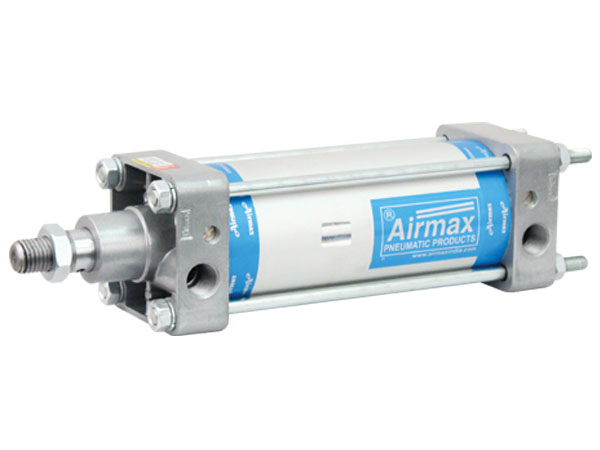
Pneumatic valve systems are the backbone of numerous industrial applications, ranging from manufacturing and automotive assembly lines to food processing and packaging. At their core, these systems rely on the manipulation of compressed air to control the movement of various actuators, such as cylinders and rotary actuators. The valves, akin to the notes on a musical score, regulate the airflow, dictating the rhythm and tempo of the machinery's operations.
The fundamental principle behind pneumatic valve systems is relatively simple: control the flow of air to control the movement of actuators. However, the execution of this principle requires precision and coordination. Just as a symphony requires each instrument to play its part at the right time, pneumatic valves must open and close with impeccable timing to ensure smooth and efficient operations.
Applications and Variations
Pneumatic valve systems find applications across diverse industries, each demanding a unique choreography of movements. In automotive manufacturing, these systems power robotic arms, facilitating the precise installation of components. In pharmaceuticals, pneumatic valves ensure the accurate filling and capping of medication containers. Even in the realm of entertainment, pneumatic systems can be found orchestrating the movement of animatronic characters in theme parks.
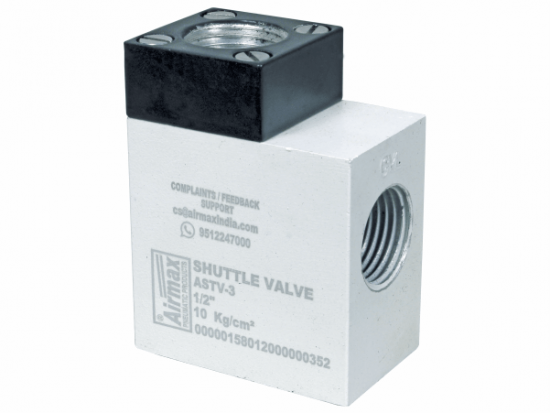
The variations within pneumatic valve systems are akin to different musical genres, each with its own set of instruments and arrangements. There are two primary types of pneumatic valves: directional control valves and pressure control valves. Directional control valves dictate the path of airflow, determining whether the actuator extends, retracts, or stops. Pressure control valves, on the other hand, manage the intensity of the airflow, enabling precise force and speed adjustments.
Airmax Pneumatic: Maestros of Precision
Amidst this fluidic symphony, Airmax Pneumatic has emerged as a leading virtuoso, conducting innovations in pneumatic valve systems. With a commitment to precision, reliability, and efficiency, Airmax Pneumatic has become synonymous with functional harmony in industrial automation.
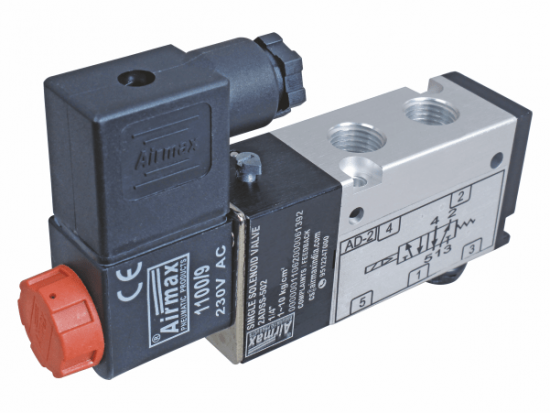
Founded on a vision of transforming industries through pneumatic excellence, Airmax Pneumatic has fine-tuned its instruments to deliver a crescendo of performance. The company's portfolio encompasses a wide range of pneumatic valves, each designed to cater to specific application needs. From solenoid valves that exhibit rapid response times to air pilot valves that enable remote actuation, Airmax Pneumatic's offerings exemplify the diversity of the pneumatic landscape.
One of the key areas where Airmax Pneumatic shines is in its focus on customization. Just as a composer tailors a symphony to evoke specific emotions, Airmax Pneumatic collaborates with clients to tailor pneumatic solutions that precisely address their requirements. This bespoke approach ensures that the pneumatic systems integrate seamlessly into existing setups, enhancing overall operational efficiency.
Harmonizing Sustainability and Efficiency
In an era where sustainability harmonizes with efficiency, Airmax Pneumatic conducts its operations with an eco-conscious baton. The company recognizes that pneumatic systems, while indispensable, can consume significant amounts of energy. To counter this, Airmax Pneumatic has introduced innovative valve designs that optimize airflow, reducing energy wastage without compromising performance. This harmonious blend of functionality and sustainability not only benefits businesses by lowering operational costs but also contributes to a greener industrial landscape.
Future Notes: Advancements on the Horizon
- As technology advances and industries evolve, the symphony of pneumatic valve systems continues to compose new melodies. Industry 4.0, with its emphasis on interconnectedness and data-driven decision-making, is ushering in a new movement in the world of automation. Pneumatic systems, including their valves, are embracing this digital transformation, integrating sensors and communication protocols that enable real-time monitoring and control.
- Airmax Pneumatic stands at the forefront of this technological crescendo. By infusing their pneumatic valves with smart capabilities, the company is enabling predictive maintenance, enhancing system diagnostics, and fostering a more harmonious interaction between machinery and operators. This forward-looking approach ensures that Airmax Pneumatic's solutions remain in tune with the demands of modern industries.
Conclusion
In the grand symphony of industrial automation, pneumatic valve systems hold the baton, guiding the movements of machinery with grace and precision. These systems, powered by the symphony of compressed air, find applications across industries, orchestrating a diverse array of tasks. Within this orchestration, Airmax Pneumatic has carved its name as a maestro, harmonizing the principles of efficiency, sustainability, and customization.