






In the ever-evolving realm of software development, the fusion of Development and Operations (DevOps) has emerged as a game-changer. It brings harmony to the software development lifecycle by fostering collaboration, continuous integration, and streamlined delivery. At the heart of this transformative approach lies automation – the catalyst that propels DevOps practices to new heights. In this article, we delve into the world of DevOps automation services, understanding their significance, benefits, and the impact they wield on modern software engineering.
Unraveling DevOps Automation Services:
DevOps automation services encompass a comprehensive suite of tools, techniques, and principles aimed at automating and optimizing various stages of the software development and delivery process. This intricate orchestration is designed to minimize manual interventions, mitigate errors, enhance communication between teams, and accelerate the time-to-market for software products.
The Core Tenets of DevOps Automation:
1. Continuous Integration (CI): At the heart of DevOps automation lies CI, a practice that revolves around merging code changes from different developers into a shared repository. Automation tools perform automated builds, execute tests, and validate code alterations. This proactive approach ensures early detection of integration issues and maintains code stability.
2. Continuous Delivery (CD): Building upon CI, CD automates the process of deploying code changes to various environments – from development and testing to staging and production. DevOps automation services streamline this pipeline, reducing human errors and guaranteeing consistent, reliable releases.
3. Infrastructure as Code (IaC): IaC is the bedrock of modern infrastructure management. Automation tools enable teams to define and provision infrastructure using code, allowing for rapid and consistent environment setup. This approach ensures scalability, and reproducibility, and minimizes configuration discrepancies.
4. Automated Testing: Ensuring software quality necessitates thorough testing. DevOps automation services facilitate the automation of diverse testing types, including unit, integration, and performance tests. Automated testing safeguards against regressions and maintains the desired level of software excellence.
5. Monitoring and Logging: Automation extends into the monitoring and logging realms. DevOps automation tools help establish real-time monitoring systems that provide insights into application performance and infrastructure health. Automated logging ensures vital information is captured for analysis and troubleshooting.
Connect with Our Help Desk: https://devopsenabler.com/contact-us/
Advantages of DevOps Automation Services:
1. Velocity and Efficiency: Automation eradicates manual bottlenecks, fostering rapid software development and delivery. Developers can focus on innovation, while automated processes handle repetitive tasks seamlessly.
2. Consistency and Reliability: Automation ensures uniformity across deployments, configurations, and testing procedures across various environments. This mitigates the risk of errors stemming from human intervention.
3. Risk Mitigation: Automated processes minimize the potential for human errors, reducing the chances of downtime, security vulnerabilities, and software defects. Automated testing and validation catch issues early in the development cycle.
4. Collaboration and Synergy: DevOps automation services foster collaboration between diverse teams – developers, operations, and beyond. Automation nurtures a culture of shared responsibility and effective communication.
5. Seamless Scalability: As projects grow in complexity, manual processes can hinder progress. Automation empowers teams to scale development and deployment without friction, ensuring a smooth expansion.
Navigating Challenges and Considerations:
Implementing DevOps automation services comes with challenges:
1. Learning Curve: Embracing automation tools can be complex, requiring teams to invest time in learning new skills and technologies.
2. Cultural Transition: Automation necessitates a cultural shift towards collaboration and change. Teams must adapt their workflows and mindset to embrace automation fully.
3. Tool Selection: The array of automation tools can be overwhelming. Choosing the right tools that align with specific needs is crucial for effective implementation.
4. Security Focus: Automation should prioritize security to prevent vulnerabilities and breaches in automated processes.
In Conclusion:
DevOps automation services are the bedrock of modern software engineering, ensuring agility, quality, and efficiency. By automating various stages of development and delivery, organizations can streamline processes, minimize errors, and stay ahead in a competitive landscape. Though challenges abound, the benefits are undeniable – rapid development, reliable releases, and a culture of collaboration. As software development continues to evolve, DevOps automation services are a beacon guiding teams toward excellence and innovation.
Contact Information:
- Phone: 080-28473200 / +91 8880 38 18 58
- Email: sales@devopsenabler.com
- Address: #100, Varanasi Main Road, Bangalore 560036.



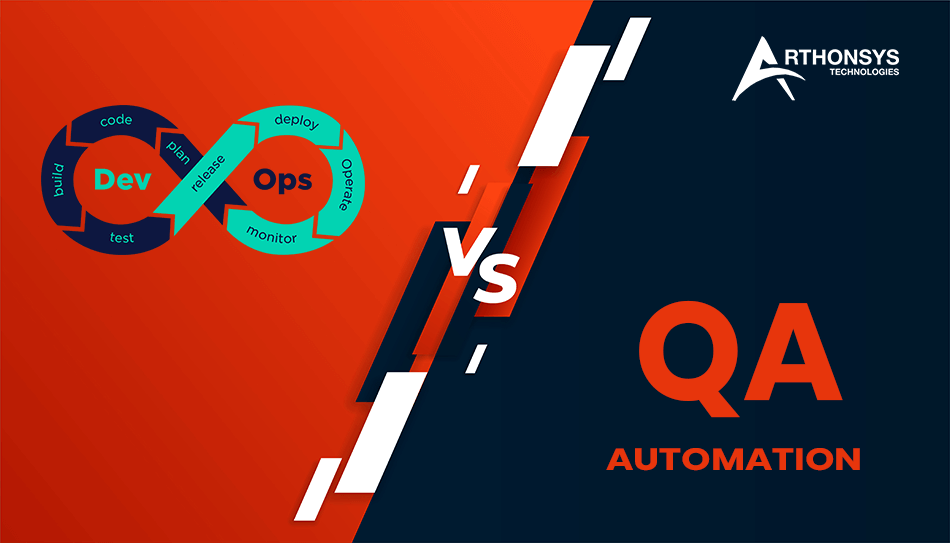
Can't decide between DevOps and QA automation which is the right testing approach for your project?
Then, understand both terms side-by-side to make the right decision.