

Introduction
In the realm of technology and gaming, the concept of the Metaverse has gained immense traction in recent years. Born from science fiction and nurtured by advances in virtual reality, augmented reality, and blockchain technology, the Metaverse represents a revolutionary evolution in gaming and digital experiences. It promises to redefine how we interact with digital environments, socialize, create, and, most importantly, play. In this blog post, we delve into the Metaverse, exploring its definition, potential, and impact on the gaming landscape.
Defining the Metaverse
The Metaverse is a term coined to describe a collective virtual shared space, merging physical and digital realities. It's a space where users can interact with each other, digital objects, and environments in real-time, blurring the lines between the physical and digital worlds. Unlike traditional video games, the Metaverse isn't limited to a single game or platform. Instead, it's an interconnected network of virtual spaces, allowing for seamless travel and interaction across different experiences.
Components of the Metaverse
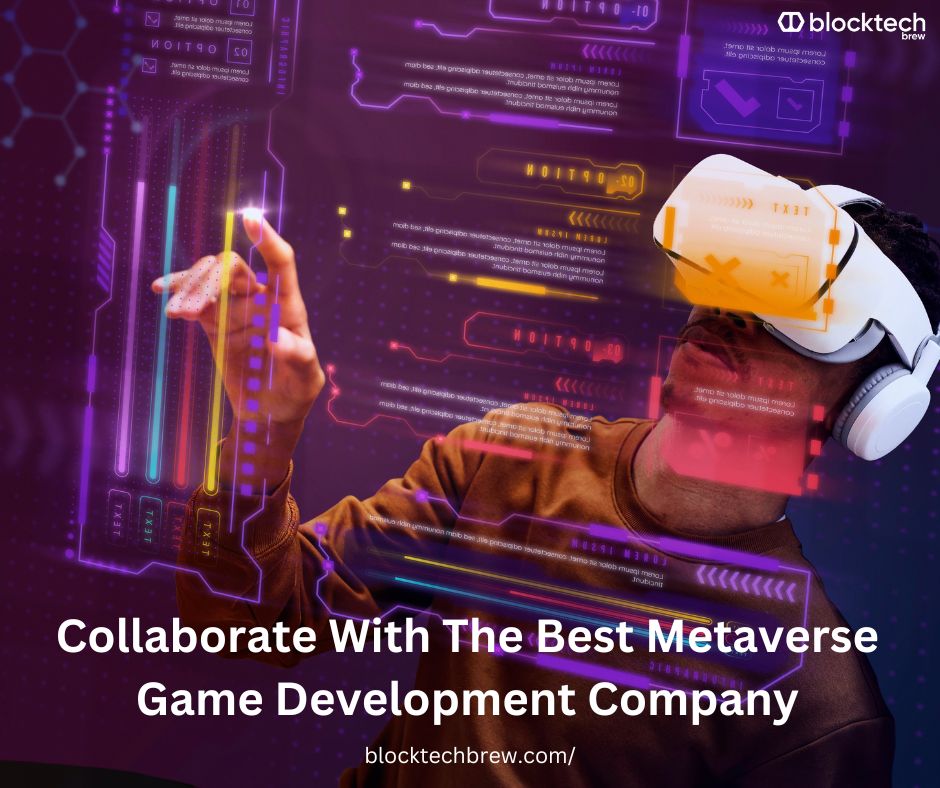
- Virtual Reality (VR) and Augmented Reality (AR): These technologies play a pivotal role in creating immersive experiences within the Metaverse. VR involves complete immersion into a digital environment, while AR overlays digital elements onto the real world. Both enable users to engage with the Metaverse on a sensory level, enhancing the feeling of presence and interaction.
- Social Interaction: One of the most compelling aspects of the Metaverse is the potential for social interactions. Users can connect with friends and strangers alike, just as they would in the physical world. This social aspect goes beyond conventional gaming, facilitating new forms of communication, collaboration, and shared experiences.
- Economy and Ownership: The Metaverse brings forth the concept of digital ownership and economies. Blockchain technology enables secure ownership of digital assets, allowing players to buy, sell, and trade items across different virtual experiences. This has far-reaching implications for game developers, players, and the broader digital marketplace.
- User-Generated Content: The Metaverse empowers users to become creators. Players can design, build, and contribute to the virtual spaces they inhabit. This democratization of content creation fosters a dynamic and ever-evolving ecosystem where the community actively shapes the environment.
Impact on Gaming
- Unbounded Creativity: With the Metaverse game developers have a canvas limited only by imagination. Boundaries between genres blur as elements from different games and experiences seamlessly merge. Players can create unique avatars, environments, and narratives, leading to personalized and novel experiences.
- Shared Experiences: Traditional single-player or multiplayer modes may evolve into collective experiences. Players from across the globe can participate in events, quests, and challenges in a unified environment, breaking down geographical barriers and fostering a sense of camaraderie.
- Economic Opportunities: The Metaverse introduces new economic models. Players can earn real-world income through activities like selling virtual items, offering services, or monetizing their content. This transforms gaming from a leisure activity into a potential livelihood.
- Education and Training: The Metaverse has applications beyond gaming. It can be used for immersive education and training scenarios, allowing individuals to learn new skills, practice real-world scenarios, or explore historical events in interactive ways.
Challenges and Considerations
As promising as the Metaverse is, it also poses challenges that need to be addressed:
- Privacy and Security: With increased interconnectivity comes concerns about data privacy and security. Safeguarding personal information and preventing unauthorized access become paramount.
- Digital Divide: Not everyone has equal access to the technology required for the Metaverse, potentially creating a digital divide between those who can participate and those who can't.
- Content Moderation: User-generated content can lead to issues related to inappropriate or offensive material. Implementing effective content moderation mechanisms will be crucial to maintain a safe environment.
Conclusion
The Metaverse represents a paradigm shift in gaming and digital experiences. It's more than just a buzzword – it's a glimpse into a future where we can seamlessly navigate and interact in a world that transcends physical boundaries. As technology continues to advance, the Metaverse has the potential to reshape not only how we play games, but how we work, socialize, and learn. It's an exciting frontier that holds promise, innovation, and a new era of immersive entertainment. The journey into the Metaverse has just begun, and the possibilities are truly endless.