





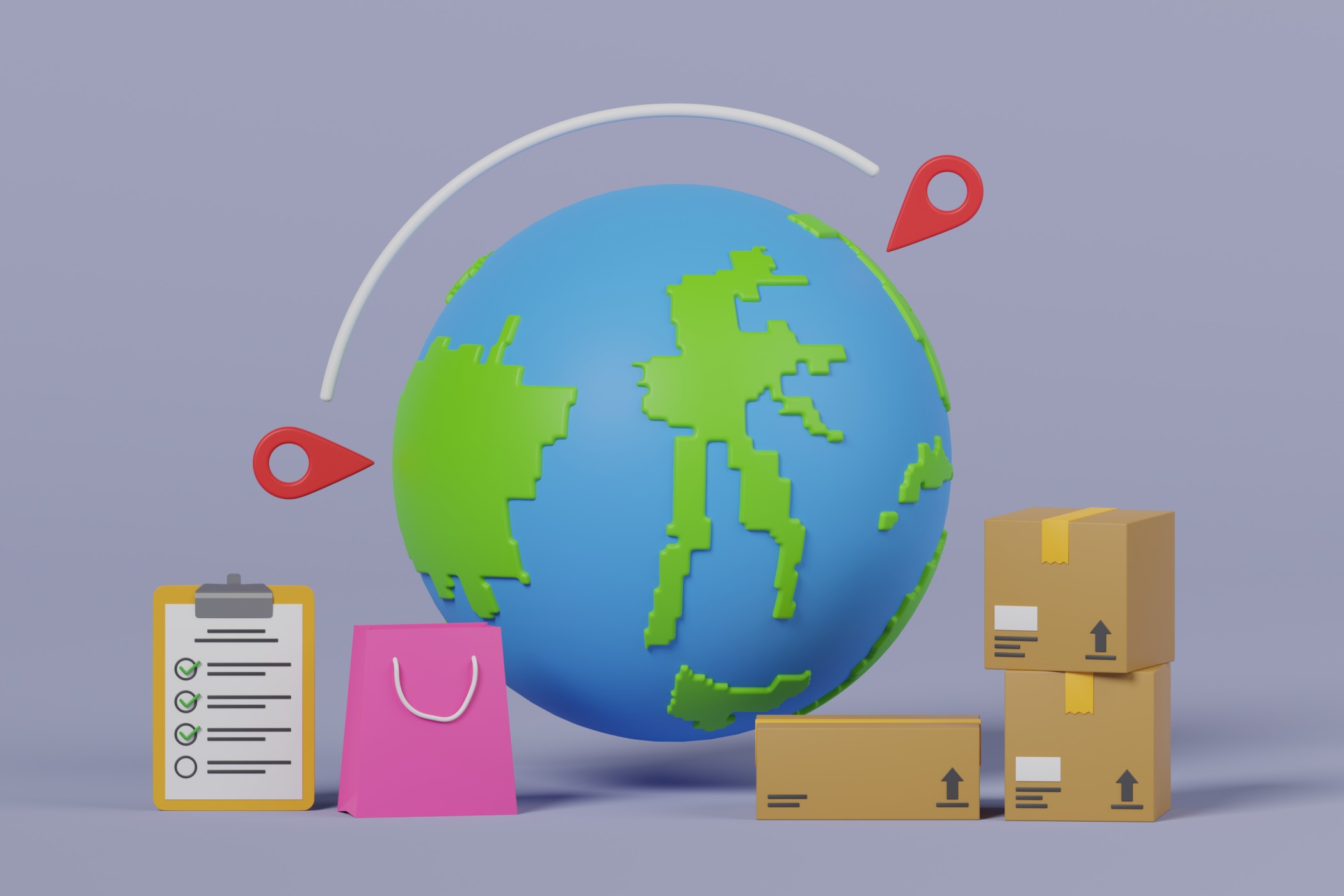
Cross-border e-commerce has emerged as a dynamic and rapidly growing sector in the global marketplace. It refers to the online trade of goods and services between businesses and consumers across different countries. With the advancement of technology and the internet, cross-border e-commerce has become increasingly accessible, offering immense opportunities for companies to expand their reach beyond domestic borders.
Breaking down barriers in cross-border e-commerce holds great significance for businesses and consumers. It equips businesses to tap into new markets, access a wider customer base, and diversify their revenue streams. For consumers, it provides access to a vast array of products and services worldwide, often at competitive prices. Moreover, cross-border e-commerce promotes cultural exchange, fosters economic growth, and encourages innovation on a global scale.
In this article, we will define cross-border e-commerce, explore the significance of breaking down barriers, and discuss its vast global reach potential for businesses and consumers alike.
Understanding Barriers to Cross-Border E-commerce
To effectively engage in cross-border e-commerce, it is crucial to recognize and overcome the barriers that can hinder success. These barriers come in various forms, including;
Legal and regulatory challenges
Navigating the legal and regulatory landscape is crucial for successful cross-border e-commerce. Import and export restrictions, customs duties, data protection laws, and intellectual property rights pose significant challenges. Understanding and complying with these regulations is essential to ensure seamless international operations and mitigate legal risks.
Payment and currency complexities
Cross-border payments are often fraught with complexities. Companies must address challenges related to cross-border payment gateways, currency exchange rates, and international banking regulations. Adopting secure and efficient payment systems that facilitate smooth cross-border transactions is key to expanding global reach.
Logistics and fulfilment hurdles
Logistics and fulfilment present unique challenges in cross-border e-commerce. Shipping and delivery complexities, customs clearance processes, and returns management require careful planning and execution. Establishing partnerships with global logistics providers and leveraging their expertise can help overcome these hurdles and provide a seamless customer experience.
Expanding Global Reach through Cross-Border E-commerce

Cross-border e-commerce offers immense potential for expanding global reach and accessing new markets and customer segments. The key is to develop a clear strategy for entering new markets and leveraging cross-border e-commerce to achieve business goals. Here are some of the most important considerations when developing a cross-border e-commerce strategy:
Building strong partnerships
Collaborating with local distributors, retailers, and marketplaces can be a game-changer in cross-border e-commerce. These partnerships offer valuable insights into local markets, facilitate efficient distribution channels, and build customer trust. Businesses can navigate cultural and regulatory nuances by forging strategic alliances, ultimately expanding their global reach.
Localizing the customer experience
Effective localization is crucial for cross-border success. Key strategies include:
- Translating website content and product descriptions.
- Adapting to local cultures and customs.
- Providing localized customer support.
By personalizing the customer experience to cater to diverse markets, businesses can establish stronger connections, foster trust, and drive customer loyalty.
Navigating legal and regulatory frameworks
To overcome legal and regulatory challenges, companies must familiarize themselves with international trade agreements, data protection laws, and privacy regulations. Seeking legal counsel and expert advice can ensure compliance and help businesses avoid legal pitfalls. Staying updated on changing regulations is vital to maintain a competitive edge in cross-border e-commerce.
Leveraging technology and digital solutions
Technology plays an important role in breaking down barriers in cross-border e-commerce. Leveraging digital solutions can streamline processes, optimize operations, and enhance customer experience. Web hosting, a fundamental aspect of the digital landscape, underpins the seamless functioning of cross-border e-commerce platforms. Reliable services like DirectAdmin web hosting ensure that online stores remain accessible, responsive, and secure, facilitating a smooth interaction between global customers and businesses. Furthermore, integrating automated systems for inventory management, order processing, and customer support can improve efficiency and reduce errors.
Establishing secure and efficient payment systems
Smooth and secure cross-border payments are essential for successful international transactions. Companies must invest in robust payment gateways that support multiple currencies and offer secure encryption. Partnering with trusted payment service providers specializing in cross-border transactions can ensure seamless payment processes while maintaining the highest security standards. Additionally, providing various payment options tailored to different markets can increase customer convenience and trust.
Investing in data analytics and market research
Data analytics and market research are invaluable tools for breaking down barriers in cross-border e-commerce. Businesses can make informed decisions by gathering and analyzing data on customer preferences, buying patterns, and market trends. Companies can use data-driven insights to identify high-potential markets, tailor their product offerings, and develop targeted marketing strategies. Continuous monitoring of data allows businesses to adapt quickly to evolving market dynamics and consumer behaviours.
Prioritizing customer trust and satisfaction
Building trust is essential in cross-border e-commerce. Companies must prioritize customer satisfaction by offering high-quality products, reliable customer support, and transparent policies. Implementing customer feedback mechanisms, such as ratings, reviews, and testimonials, can enhance credibility and foster trust among international customers. Regularly monitoring and responding to customer inquiries and concerns across different time zones demonstrate a commitment to excellent service and further establish trust.
Accessing new markets and customer segments
Cross-border e-commerce opens doors to new markets and customer segments with high growth potential. Identifying emerging markets, understanding local consumer preferences, and capitalizing on global market trends is vital for success. Adapting products, services, and marketing strategies to meet the specific needs of diverse markets can significantly expand a company's global reach.
Enhancing brand reputation and recognition
A strong brand reputation is invaluable in cross-border e-commerce. Quality products, excellent customer service, and proactive engagement build trust and foster loyalty among international customers. Leveraging customer reviews and testimonials, creating impactful marketing campaigns, and establishing a consistent brand image across markets enhance brand recognition globally.
Overcoming Challenges and Mitigating Risks
While the potential rewards of cross-border e-commerce are significant, businesses must also address challenges and mitigate risks. Key areas of focus should include:
Managing cross-border logistics and supply chain complexities
The intricacies of international logistics and supply chain management require careful planning and execution. Implementing efficient inventory management systems, partnering with reliable logistics providers, and employing robust tracking and tracing mechanisms can streamline operations and mitigate risks associated with cross-border fulfilment.
Tax Compliance
Tax compliance is another critical aspect of cross-border e-commerce. Tax compliance is essential to avoid legal issues and penalties in different jurisdictions. Companies must navigate complex tax regulations, including sales tax, value-added tax (VAT), and customs duties. Understanding the tax requirements of each country, registering for appropriate tax IDs, and calculating and remitting taxes accurately are crucial steps in maintaining tax compliance.
To address tax compliance challenges, companies can leverage tax automation software and services that assist in calculating and managing taxes across multiple jurisdictions.
Addressing cybersecurity and fraud risks
Cybersecurity and fraud risks are heightened with the global nature of cross-border e-commerce. Implementing robust cybersecurity measures, employing encryption technologies, and conducting regular audits can safeguard customer data and protect against fraudulent activities. Collaboration with trusted payment gateways and adherence to industry best practices are essential to ensure secure transactions.
Adapting to changing geopolitical landscapes
Political, economic, and social changes in different countries can impact cross-border e-commerce operations. Staying informed about geopolitical developments, conducting market research, and adopting agile strategies enable businesses to adapt to changing landscapes. Flexibility and adaptability are crucial in mitigating risks and seizing new opportunities.
Takeaways
Cross-border e-commerce presents unparalleled opportunities for businesses to expand their global reach. Breaking down barriers through strategic partnerships, effective localization, and navigating legal complexities can lead to exponential growth.
Embracing technology, data analytics, and robust risk management practices is essential for success in the increasingly competitive global marketplace. By embracing the transformative power of cross-border e-commerce, businesses can unlock immense potential and thrive in the digital age.



Your mission as a restaurant owner is to figure out which thoughts are probably going to be successful for your business.
This is on the grounds that nearby media can achieve a high level of individuals in the local group — who are frequently your customers.This blog will clarify the diverse types of nearby media and the promoting alternatives that are accessible.
It will then enable you to decide whether nearby media publicizing ought to be a part of your Restaurant’s marketing strategy.What is Local Media?The customary meaning of local media is any daily paper, radio station or TV station that focusses on a particular group.The term has now extended to incorporate online assets that focus on local groups.
By and large, sites and online groups are the most moderate and viable approach to pull in new clients to your restaurant.The Most Effective Ways to Advertise in Local MediaPlacing an ad in the local print mediaWhile the significance of print media has declined in the previous decade, numerous neighborhood daily papers and magazines are as yet going solid.
Consider putting a voucher in the paper rather than the ad to test how many numbers of individuals read the advertisements in the paper and come into the Restaurant.You ought to likewise consider the kinds of customers your Restaurant attractsin.
Indeed, continually thinking about your statistic before buying a notice is outstanding amongst other Restaurant tips out there.Is it effective?Truly, it can be greatly viable.

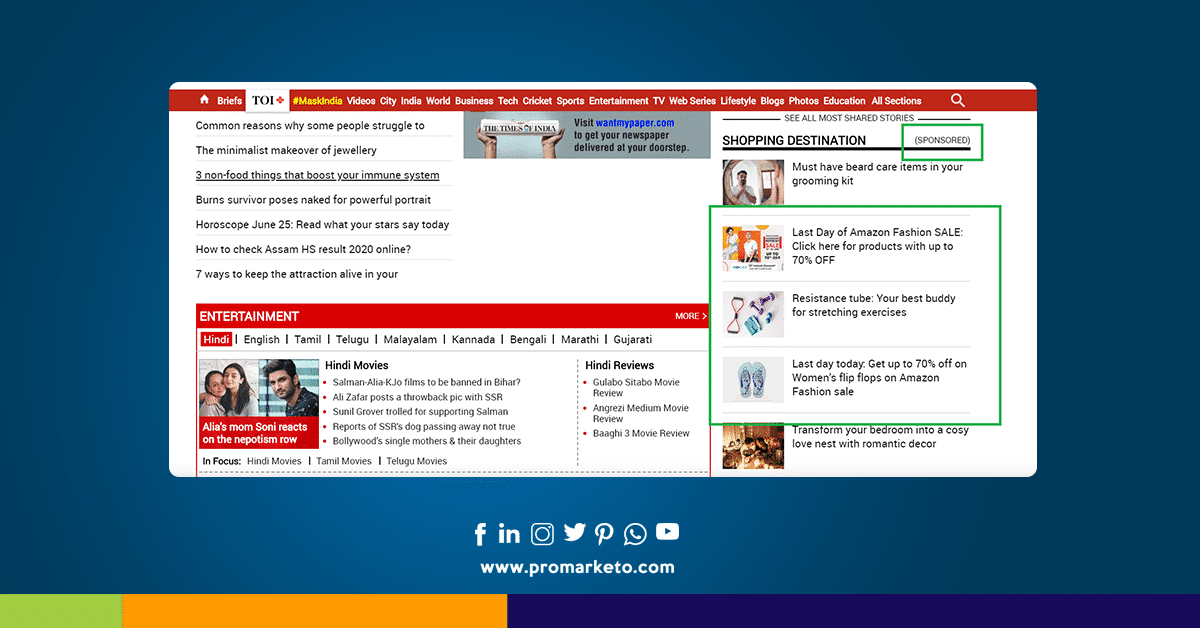
You already know that a lot of things happen to be online like fashion, travel & electronics sometimes.
But now, from groceries to Healthcare to jewelry shops have become online.
A Digital Marketing Company can serve its cause of providing these eCommerce companies it’s space and keeping them alive online.
For more details visit our blog "Digital Marketing for eCommerce Business"