Introduction
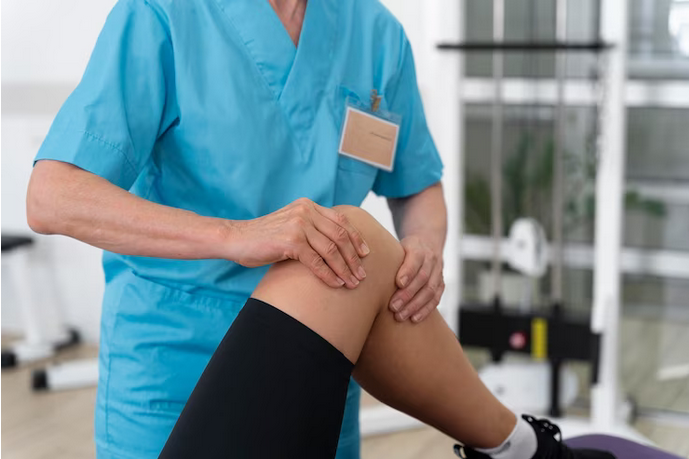
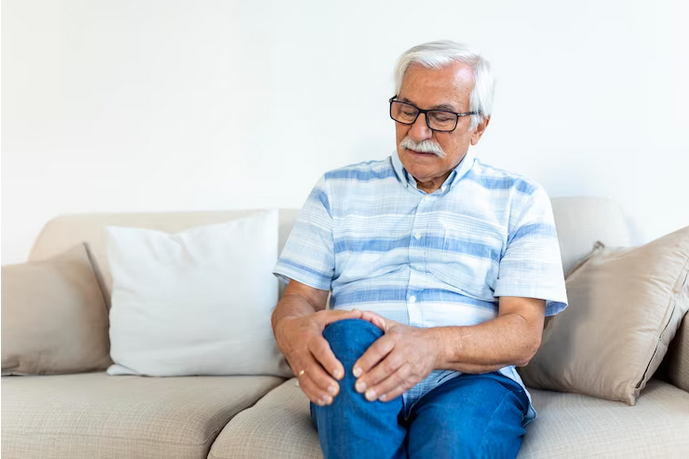
Knee pain is a common ailment that affects people of all ages, and it can significantly impact one's quality of life. Whether it's caused by an injury, arthritis, overuse, or other factors, finding effective strategies to manage and treat knee pain at home is essential. While it's important to consult a healthcare professional for a proper diagnosis and personalized treatment plan, there are several home-based strategies that can complement medical advice and alleviate knee pain. In this article, we will explore various evidence-based techniques and lifestyle adjustments that can help you manage knee pain effectively from the comfort of your home.
Rest and Elevation
Rest is often the first and foremost step in alleviating knee pain. Overuse or strain can exacerbate the discomfort, so giving your knee ample time to rest is crucial. Avoid activities that put unnecessary stress on your knees, such as excessive standing or strenuous exercises. Elevating your leg when sitting or lying down can help reduce swelling and promote better blood circulation to the affected area.
Ice and Heat Therapy
Ice and heat therapy can provide immediate relief for knee pain. Applying an ice pack wrapped in a cloth to the affected area for 15-20 minutes can help reduce inflammation and numb the pain. Heat therapy, on the other hand, can relax and loosen tissues and stimulate blood flow. You can use a heating pad or take warm baths to soothe your knee.
Compression and Support
Using a compression bandage or knee brace can provide stability and support to the injured or painful knee. These devices can help reduce swelling and minimize discomfort by providing gentle pressure. Ensure that you use the right size and follow the instructions for proper application.
Gentle Exercise and Stretching
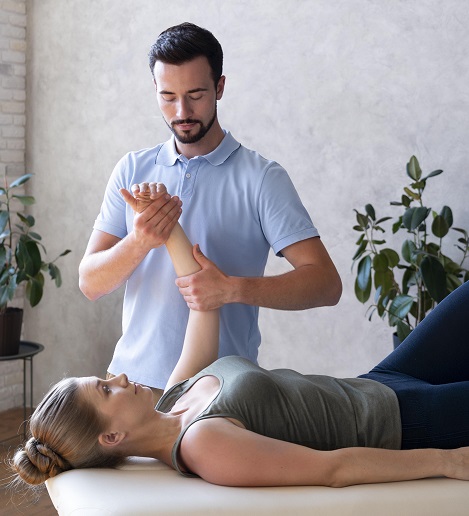
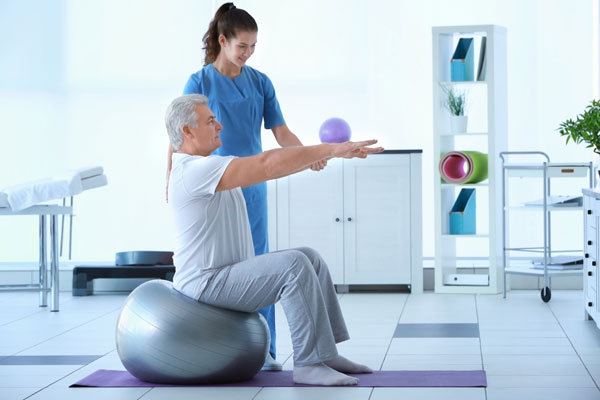
While rest is essential, it's also crucial to maintain some level of activity to prevent muscle atrophy and stiffness. Gentle exercises and stretching can help improve the strength and flexibility of the muscles surrounding the knee joint. Focus on low-impact exercises such as swimming, stationary cycling, or water aerobics. Additionally, specific stretches like quadriceps and hamstring stretches can alleviate tension and improve mobility.
Weight Management
Excess body weight can put significant stress on the knee joints, exacerbating pain and accelerating wear and tear. Maintaining a healthy weight through a balanced diet and regular exercise can help reduce the strain on your knees. Consult with a healthcare professional or a registered dietitian for personalized guidance on weight management.
Proper Footwear
Wearing appropriate footwear is often overlooked but can make a substantial difference in knee pain management. Opt for shoes that provide adequate support and cushioning, especially if you have a history of knee problems. Avoid high heels or shoes with inadequate arch support, as they can exacerbate knee pain and discomfort.
Medications
Over-the-counter (OTC) pain relievers, such as nonsteroidal anti-inflammatory drugs (NSAIDs), can help reduce pain and inflammation associated with knee issues. However, it's essential to follow the recommended dosage and consult a healthcare professional if you have any underlying medical conditions or are taking other medications.
Dietary Supplements
Certain dietary supplements have shown promise in promoting joint health and reducing knee pain. Glucosamine and chondroitin sulfate, for example, are commonly used supplements believed to support joint function and alleviate pain. Nevertheless, it's advisable to consult with a healthcare professional before incorporating any supplements into your routine, as they may interact with other medications or have side effects.
Mind-Body Techniques
Pain management techniques such as meditation, deep breathing, and guided imagery can help you cope with knee pain by reducing stress and improving your pain perception. Mindfulness-based stress reduction (MBSR) programs and relaxation exercises may also be beneficial. These practices can promote a sense of calm and enhance your overall well-being.
Assistive Devices
In some cases, using assistive devices like canes or crutches can help alleviate knee pain by reducing the weight-bearing load on the affected knee. Consult with a healthcare professional to determine if such devices are appropriate for your specific condition and receive proper guidance on their use.
Conclusion
Knee pain can be a challenging condition to manage, but there are several effective strategies that can be implemented at home to alleviate discomfort and improve overall knee health. While these home-based approaches can provide relief, it's crucial to remember that they should complement, not replace, the guidance and treatment prescribed by a healthcare professional. Consulting with a healthcare provider is essential for an accurate diagnosis and a tailored treatment plan.
In summary, some key strategies for treating knee pain at home include rest and elevation, ice and heat therapy, compression and support, gentle exercise and stretching, weight management, proper footwear, medications (under healthcare supervision), dietary supplements (with professional advice), mind-body techniques, and the use of assistive devices when necessary. Each of these strategies has its role in managing knee pain, and their effectiveness may vary depending on the underlying cause and severity of the pain.