


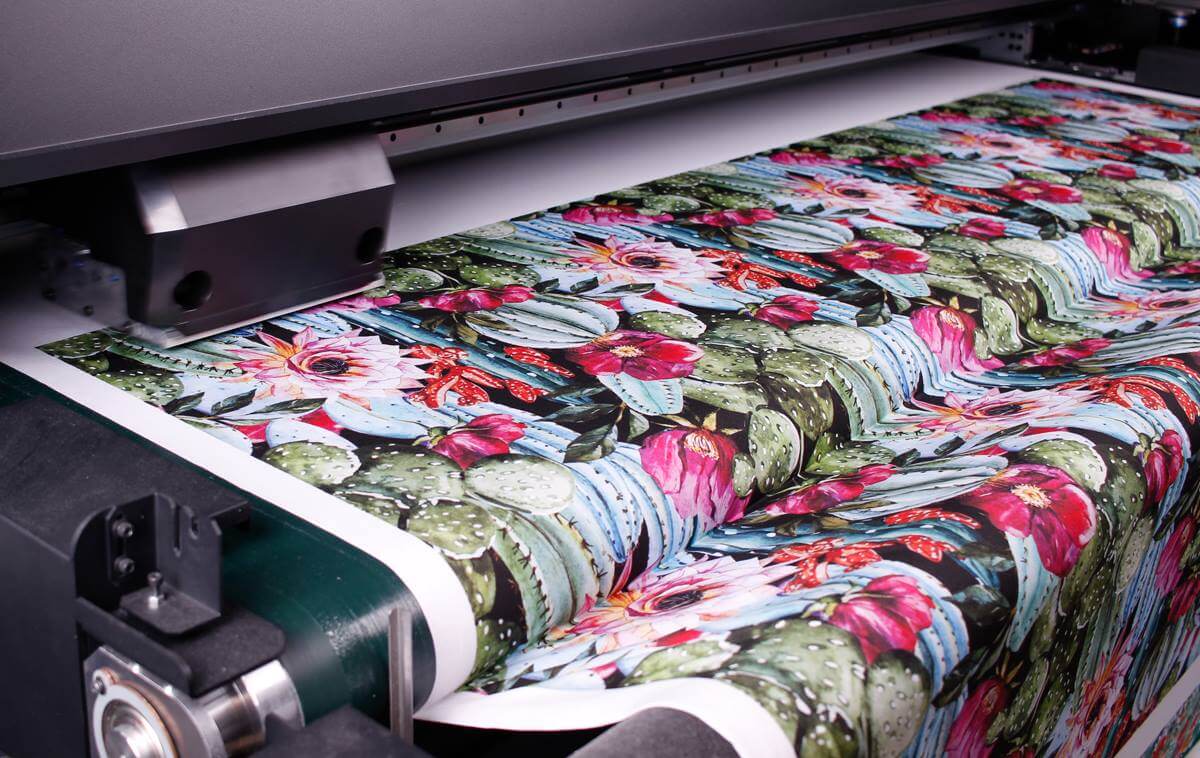
Digital printing on fabric has transformed the textile and fashion industry by offering a versatile and efficient way to create custom designs, intricate patterns, and vibrant prints. However, achieving the best results with digital textile printing requires careful consideration of several factors. In this article, we will explore the key things to consider when using digital printing on fabric.
Fabric Selection: The choice of fabric plays a critical role in digital printing. Different fabrics absorb inks differently, affecting color vibrancy and overall print quality. Natural fibers like cotton, silk, and linen tend to yield excellent results, while synthetic fabrics may require special treatment. It's essential to test different fabrics and understand their characteristics before committing to a particular material for your project.
Pre-Treatment: Many fabrics, especially synthetic ones, may require pre-treatment to enhance ink absorption and adhesion. Pre-treatment processes can include washing, chemical treatments, or the application of primers. Proper pre-treatment ensures that the fabric is ready to receive the digital print effectively.
Color Management: Accurate color reproduction is crucial in digital textile printing. Calibration of the printing equipment, including the printer and computer monitor, is essential to achieve consistent and accurate colors. Additionally, designers should work with standardized color profiles to ensure that the intended colors are faithfully reproduced on the fabric.
Resolution and Image Quality: High-resolution digital files are essential for achieving sharp and detailed prints. Low-resolution images can result in pixelation and loss of quality. Designers should work with images at a resolution that matches the capabilities of the printer to obtain the best results.
Design Considerations: Digital textile printing allows for intricate and detailed designs, but it's important to consider the size and scale of your design relative to the fabric. Smaller details may not reproduce well on certain fabrics or at larger scales. Conducting test prints can help identify any design issues before full production.
Color Fastness and Durability: Assess the intended use of the fabric and the required durability. Some digital printing inks may fade or wash out over time, especially on fabrics subjected to frequent laundering or outdoor exposure. It's crucial to select inks that are suitable for the fabric's intended purpose and environment.
Finishing and Post-Treatment: After printing, fabrics may require post-treatment processes such as heat setting or steam fixing to ensure the durability of the prints. These processes can vary depending on the type of ink and fabric used. Proper post-treatment helps prevent color bleeding and fading.
Testing and Sampling: Before proceeding with a large-scale production run, it's advisable to create test samples to evaluate print quality, color accuracy, and durability. This allows for adjustments and improvements before committing to a full production order.
Environmental Considerations: Digital textile printing is generally considered more environmentally friendly than traditional printing methods due to reduced water consumption and chemical usage. However, it's still important to choose eco-friendly inks and practices to minimize the environmental impact of the process.
Cost Analysis: While digital printing offers many advantages, it's essential to evaluate the cost-effectiveness of the process for your specific project. Consider factors such as material costs, ink consumption, labor, and post-processing expenses to determine the overall cost of production.
In conclusion, digital printing on fabric opens up a world of creative possibilities, but successful results depend on careful consideration of fabric selection, pre-treatment, color management, image quality, and various other factors. By paying attention to these considerations and conducting thorough testing, designers and manufacturers can harness the full potential of digital textile printing and produce high-quality, customized textiles for a wide range of applications.

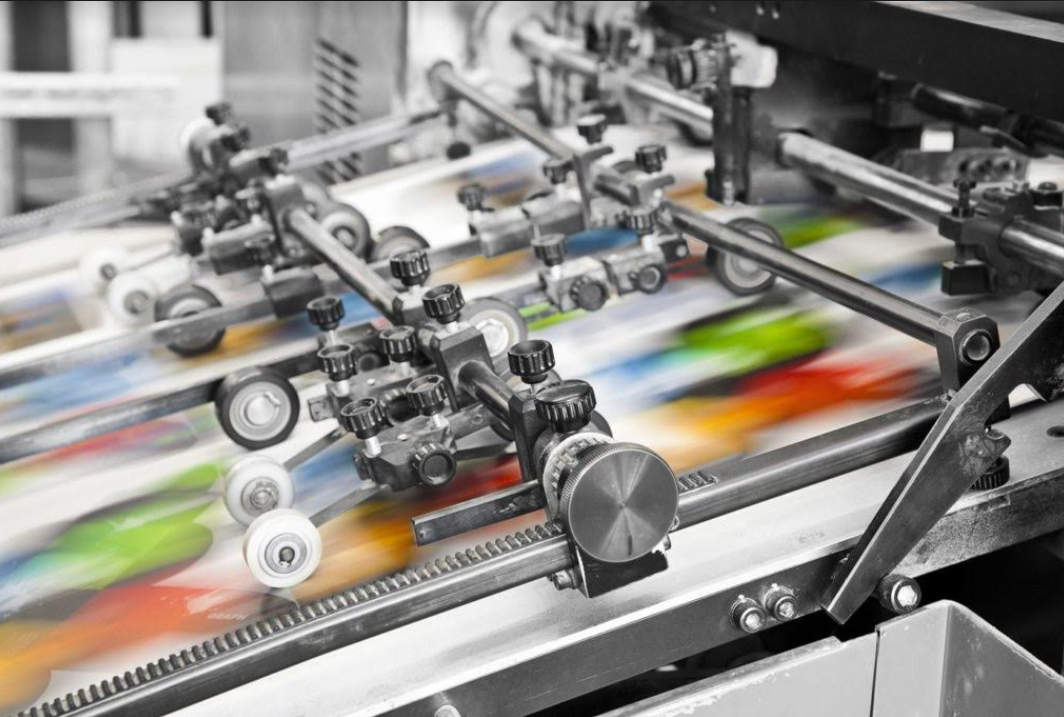
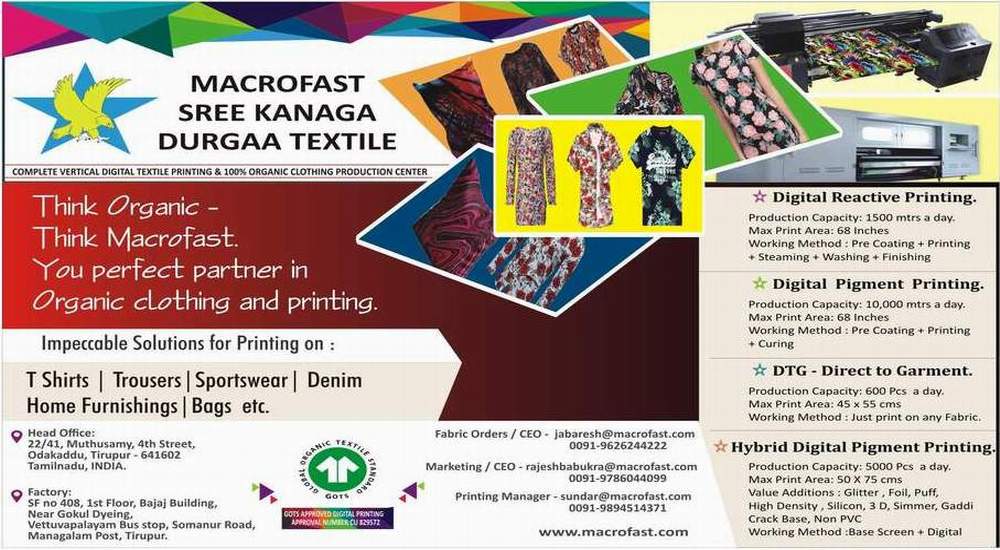
digital printing indiaPictures Portraying about the Safe Working Environment, Social duty and our Wonderful Workers, who's handy hands have done the most amazing aspect best to complete to give the appeal and excellence of the textures and garments you request from us.
Every one of our colors and helper utilized here are Organic Approved principlesThe scope of responsive tones are just about as splendid as your texture colored shades, Fastness is generally excellent with incrediblehand-feel.
Anyway the interaction season of the printing is longer here because of different cycle included, for example,Computerized PRINTING - PIGMENT ROLL TO ROLL The Latest and the most encouraging headway on the Digital printing is the PIGMENT Inks, Universally shade have no danger to the climate.
The Pigment inks in the new years had achieved a biggest tallness regarding colors, extravagance, delicate hand feel, and incredible runnability in the Digital printing machines.
All Dyes and assistant are Organic CertifiedColor = FAST, Yes moment inspecting and creation is profoundly conceivable with the Digital Pigment printing.
The quickest color Digital printing machine in India.Half and half DIGITAL PIGMENT PRINTING - PLACEMENT PRINTS The Digital Printing insurgency began in about year 2005, The unrest began with an insane plan opportunity to the architect.

Healing is a holistic process that requires caring, precautions and perhaps, a few blessings too, but the first, most critical step is to manage the wound and this is why you need relevant wound-care products.https://www.wound-care.co.uk/news/things-to-consider-before-buying-wound-care-supplies/