

A Complete Guide About Industrial Solar Power Systems for Commercial Users
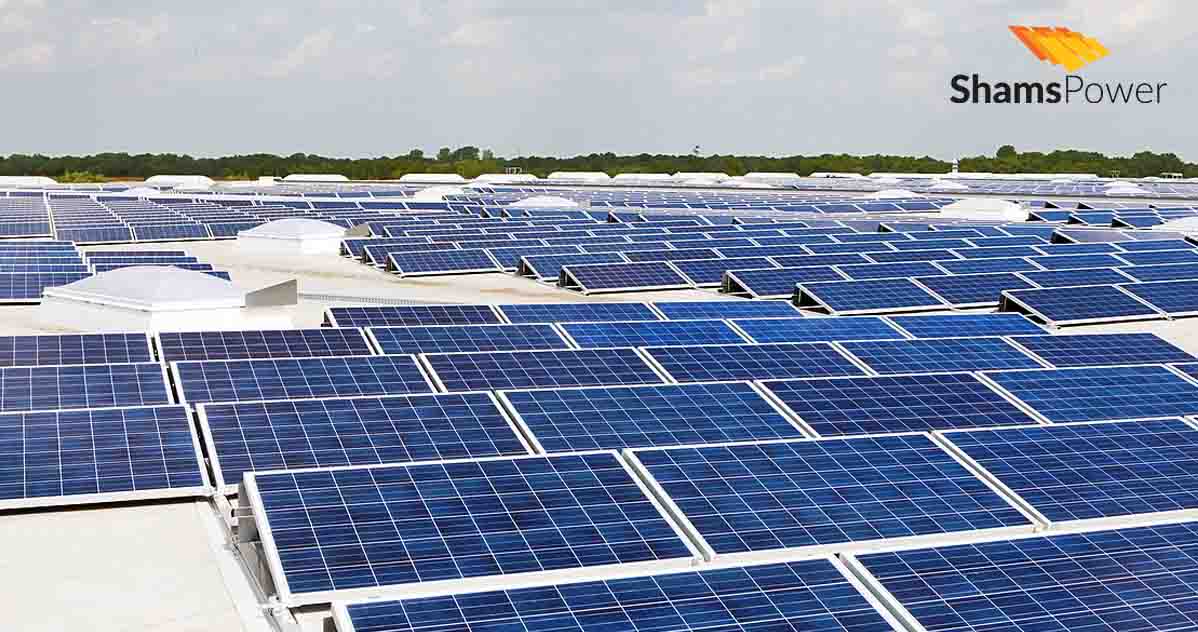
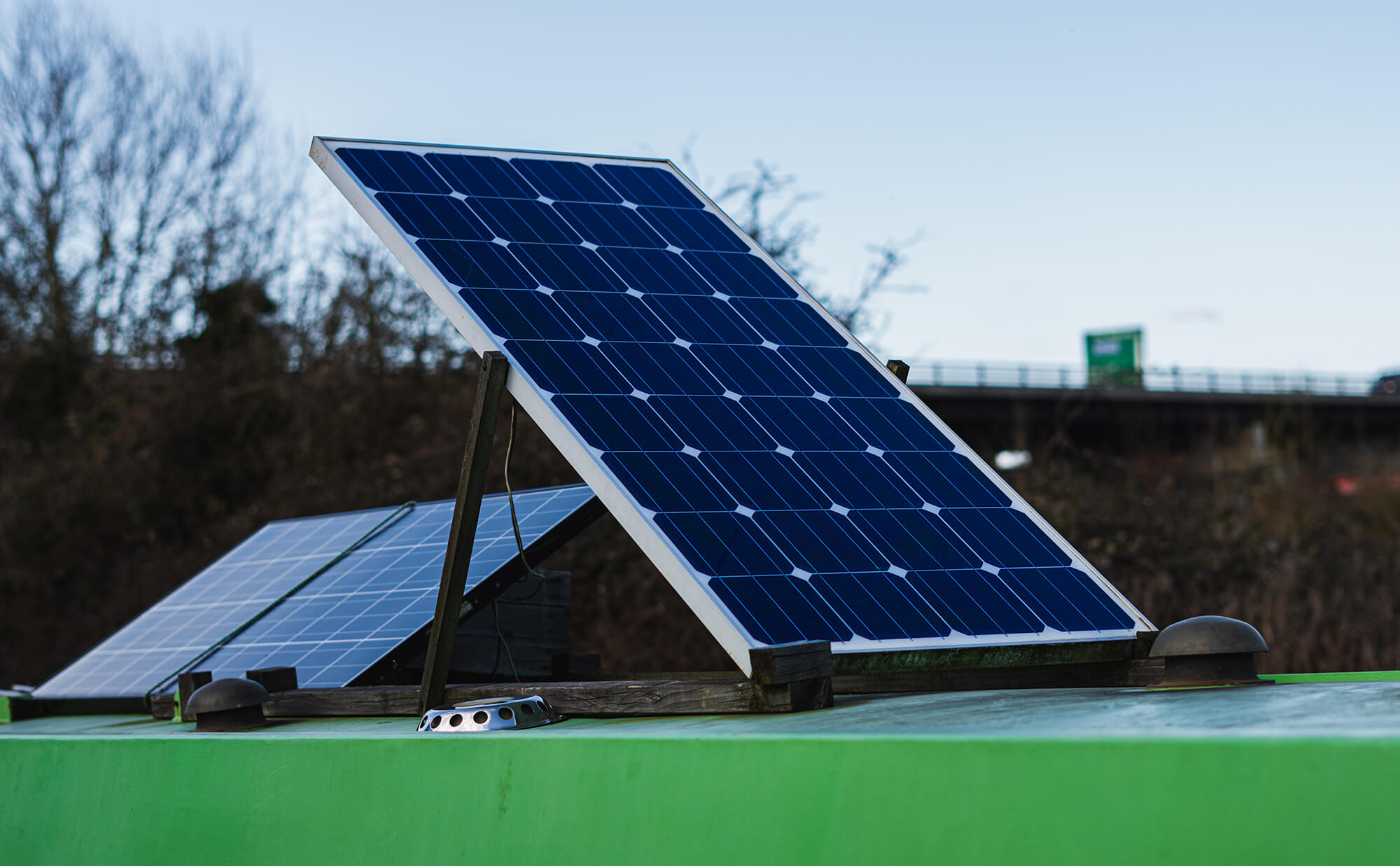
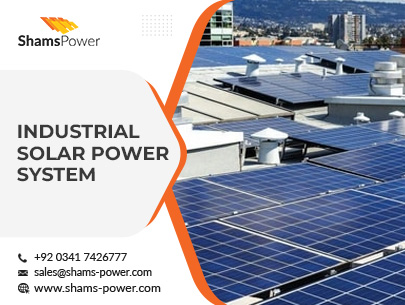
Industrial solar systems have become a popular solution for businesses to cut electricity costs and improve their bottom line. These are large-scale installations that usually have 96 or more individual solar photovoltaic cells in each panel.
All commercial and industrial solar power systems generate direct current (DC) electricity. They are then connected to an inverter that converts DC into alternating current, the type of electricity you use at your business.
Cost-Effectiveness
Due to their high load requirement & large available rooftop area, industries are a perfect candidate for switching to solar energy. Industrial solar power systems also allow companies to show their commitment to renewables & meet their RPOs with ease.
Large businesses often suffer the most from expensive and unreliable grid electricity, which can stifle productivity and increase overhead costs. Industrial solar power systems are a cost-effective way to lower energy expenses.
The upfront and lifetime cost of a commercial solar system depends on many factors, including the size of your building, its location, and whether you own or lease your property. You can use NREL’s free PV Watts tool to calculate how much sunlight your building receives, and then compare the costs of different financing options. The Solar Investment Tax Credit, or ITC, is worth factoring in too, especially if you’re considering PPAs, leases, or community solar.
Environment-Friendly
Industrial solar systems are a great way for businesses to show their commitment to sustainability. By using renewable energy, they can cut their electricity costs and help reduce the amount of greenhouse emissions produced. It also gives them a competitive advantage when it comes to recruiting and retaining top talent as customers are increasingly drawn to businesses that make an effort to be environmentally conscious.
Large companies are particularly vulnerable to power outages as their business operations depend on constant electricity. An industrial solar system is a reliable solution to cut electricity costs and ensure production levels are maintained during outages.
The panels convert the sun’s rays into live alternating current electricity which can be stored in battery systems to ensure power is available when it is needed (nighttime or fading light). The electricity can either be sold to the grid or used internally.
Increased Productivity
A large solar power system requires a significant upfront investment, but that cost is quickly recouped with electricity savings. Additionally, a properly designed and installed solar energy system is extremely reliable.
In addition to reducing energy costs, a commercial solar system can also help you become more environmentally responsible and boost your brand image. Many top industries are making the switch to clean energy because they are worried about their environmental impact and want to position themselves as forward-thinking companies.
Industrial solar systems are often used by businesses that use a lot of electricity and have large rooftop areas like dairy, paper, cement, textile, and ceramic industries. These businesses can benefit from net metering programs to get credit for their excess electricity generation that is sent back to the grid. This can help them avoid billing spikes and inflation. Additionally, they can also take advantage of the investment tax credits (ITC) to offset initial solar installation costs.
Energy Security
Energy is one of the most expensive overhead costs for businesses, and fluctuations in electric rates can make it difficult to plan for growth. However, by converting to solar power, businesses can cut energy expenses and save money.
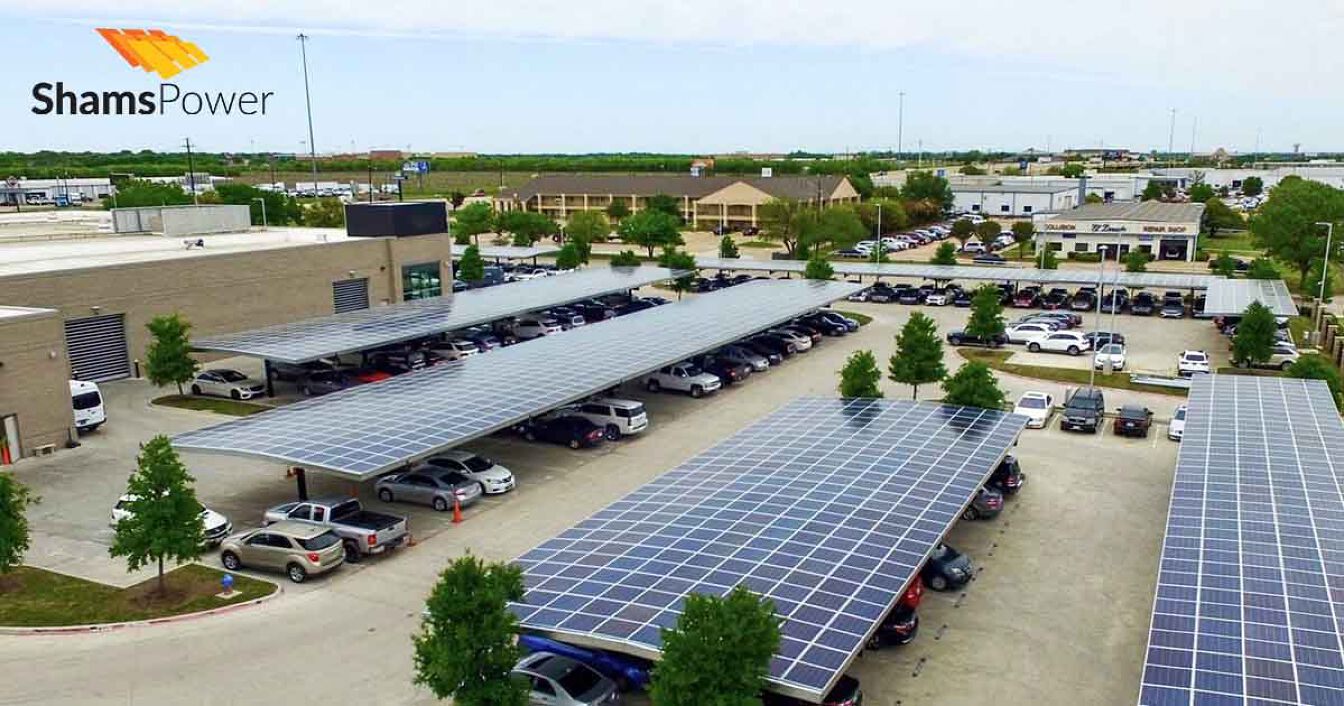
Industrial solar power systems can be used in a variety of ways, including on roofs, parking lots, and ground-mounted arrays. These solar energy systems convert sunlight into live alternating current electricity and can also store that electricity in batteries for backup during nighttime or fading light.
The main benefit of a solar energy system for industrial use is that it can reduce the reliance on the commercial grid. Depending on the type of system, it can be connected directly to the grid or able to take advantage of net metering, which allows businesses to sell unused electricity back to the grid in exchange for electricity bill credits. However, the eligibility for ITC depends on who owns the system and not who consumes it, so businesses that enter into PPA or lease agreements are not eligible for the credit.