Machine embroidery is a captivating craft that allows you to embellish fabrics with intricate designs and patterns. However, achieving flawless embroidery results requires more than just a good embroidery machine; you also need to pay attention to the type of needles you use. In this comprehensive guide, we will explore essential tips and tricks for using machine embroidery designs effectively. Whether you're a novice or an experienced embroiderer, you're bound to discover something new to enhance your embroidery journey.
Table of Contents
- Understanding the Importance of the Right Needle (H1)
- Different Types of Machine Embroidery Needles (H2)
- Selecting the Right Needle Size (H2)
- Embroidery Needle Maintenance (H1)
- Cleaning and Lubricating Needles (H2)
- Changing Needles Regularly (H2)
- Thread and Needle Compatibility (H1)
- Using the Correct Thread (H2)
- Needle Threader Tools (H2)
- Dealing with Thread Breakage (H1)
- Troubleshooting Thread Issues (H2)
- Adjusting Tension for Smooth Stitching (H2)
- Handling Specialty Fabrics (H1)
- Embroidering on Delicate Fabrics (H2)
- Thick and Heavy Fabrics (H2)
- Improving Design Results (H1)
- Fine-Tuning Needle Position (H2)
- Needle Selection for Intricate Designs (H2)
- Choosing the Right Needle Brand (H1)
- Top Brands for Machine Embroidery Needles (H2)
- User Reviews and Recommendations (H2)
Understanding the Importance of the Right Needle
Different Types of Machine Embroidery Needles
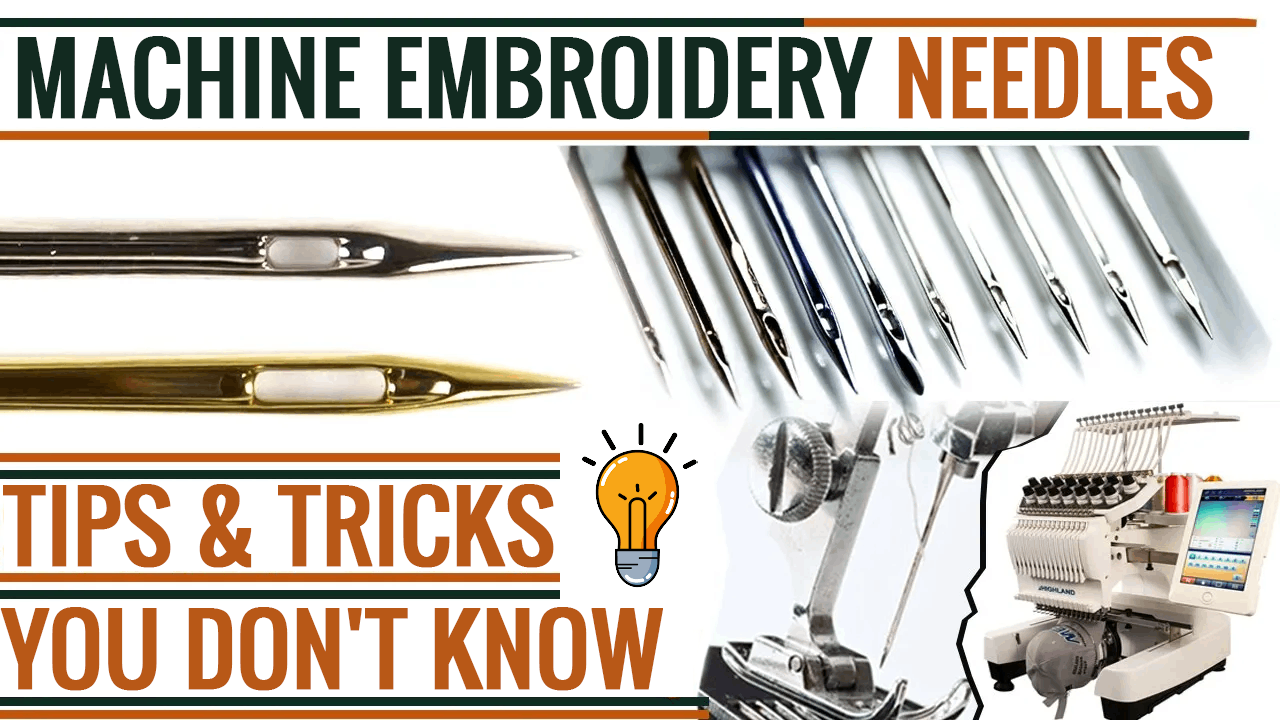
When it comes to machine embroidery, one size or type of needle does not fit all. There are various types of machine embroidery needles, each designed for specific purposes. The most common types include ballpoint, sharp, and titanium-coated needles. Ballpoint needles are ideal for knit fabrics, while sharp needles work well with woven materials. Titanium-coated needles are known for their durability and resistance to wear and tear.
Selecting the Right Needle Size
The size of the needle you choose can significantly impact your embroidery results. Needles are sized based on their diameter, and different fabrics require different needle sizes. For lightweight fabrics like silk or chiffon, opt for a smaller needle (75/11 or 80/12). Heavier fabrics like denim or canvas may require larger needles (90/14 or 100/16). Choosing the right needle size ensures that your stitches penetrate the fabric correctly, preventing thread breaks and fabric damage.
Embroidery Needle Maintenance
Cleaning and Lubricating Needles
To maintain the quality of your machine embroidery, it's essential to keep your needles clean and well-lubricated. Regularly remove the needle from your machine and use a soft brush to gently clean any residue or lint. Lubricate the needle with a small amount of sewing machine oil to reduce friction and ensure smooth stitching.
Changing Needles Regularly
Needles are subject to wear and can become dull over time. To prevent poor embroidery results, it's crucial to change your needles regularly. As a general rule, replace the needle after every eight hours of embroidery or when you notice skipped stitches, thread breaks, or fabric pulls. A sharp needle ensures precise and clean embroidery.
Thread and Needle Compatibility
Using the Correct Thread
The type of thread you use should complement your needle choice. For instance, use polyester thread with a ballpoint needle for stretchy fabrics, and opt for cotton or rayon thread with a sharp needle for woven materials. Using the right combination ensures that the thread flows smoothly through the needle's eye, reducing the risk of thread breaks.
Needle Threader Tools
Embroidery needles often have small eyelets, making threading a challenge. Invest in a needle threader tool to simplify the process. These tools save time and frustration, especially when working with fine or metallic threads.
Dealing with Thread Breakage
Troubleshooting Thread Issues
Thread breakage can be frustrating, but it's often solvable. Check your thread tension and adjust it if necessary. Ensure that the bobbin and upper thread are properly threaded and free from tangles. A well-maintained machine and the right needle-thread combination can prevent most thread-related problems.
Adjusting Tension for Smooth Stitching
Proper tension is crucial for achieving clean and consistent embroidery. Experiment with your machine's tension settings to find the perfect balance. Tension that is too tight can lead to thread breaks, while too loose tension can result in loose stitches.
Handling Specialty Fabrics
Embroidering on Delicate Fabrics
Embroidering on delicate fabrics like silk or lace requires extra care. Use a fine needle, stabilize the fabric with stabilizers or hooping, and reduce your machine's speed for intricate designs. This will prevent fabric distortion and damage.
Thick and Heavy Fabrics
When working with thick or heavy materials like denim or leather, choose a needle with a strong shaft to penetrate the fabric easily. Adjust your machine's settings to accommodate the fabric's thickness, such as using a larger needle size and slower stitching speed.
Improving Design Results
Fine-Tuning Needle Position
The needle's position can affect design placement. Use your machine's needle positioning feature to ensure your embroidery is precisely where you want it. This is especially crucial when embroidering multiple designs on a single piece of fabric.
Needle Selection for Intricate Designs
Intricate embroidery designs require finer needles to achieve intricate details accurately. Sharp needles with a small eye are perfect for intricate designs. Be sure to choose the right needle for the job to avoid compromising the design's quality.
Choosing the Right Needle Brand
Top Brands for Machine Embroidery Needles
The market is flooded with machine embroidery needle brands, but not all are created equal. Some well-established brands like Schmetz, Organ, and Madeira are known for their quality and reliability. Read user reviews and seek recommendations from fellow embroiderers to find the brand that suits your needs.