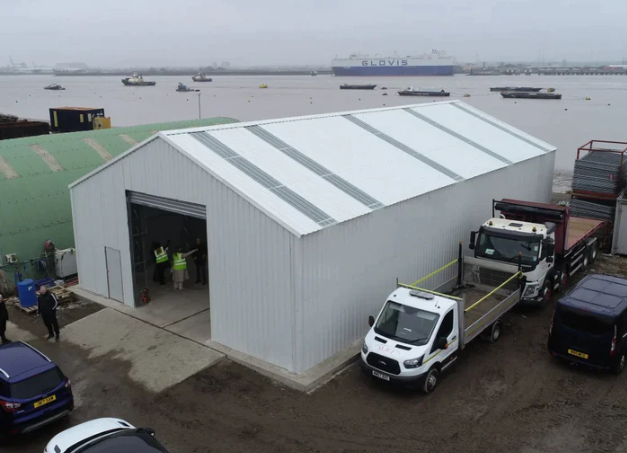


In today's rapidly evolving business landscape, adaptability is key to success. Companies need the flexibility to expand, downsize, or relocate quickly and efficiently to meet changing market demands. This is where temporary buildings come into play. Whether you need extra storage space, a temporary office, or a production facility, choosing the right temporary building is crucial to ensure your business's needs are met. In this blog, we'll explore the various factors to consider when selecting a temporary building for your business requirements.
1. Define Your Business Needs
Before you start searching for a temporary building, it's essential to have a clear understanding of your specific business needs. Consider the following questions:
What is the purpose of the temporary building?
How much space do you need?
What are your budget constraints?
How long will you require the temporary building?
By answering these questions, you'll have a better idea of the type of temporary structure that will best suit your needs.
2. Material Selection
Temporary buildings are typically constructed using various materials, each with its own advantages and limitations. The most common materials used for temporary structures include:
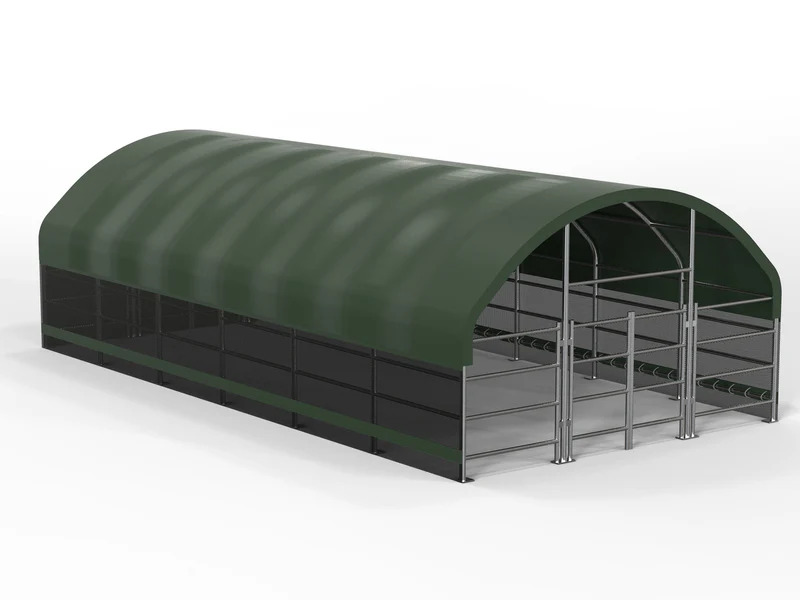
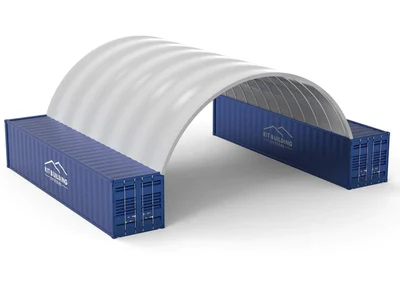
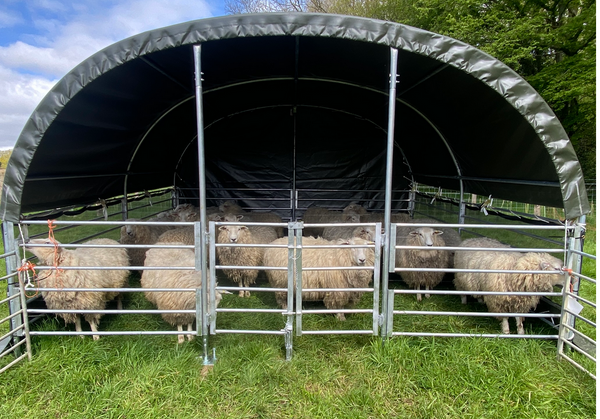
Fabric: Fabric structures are lightweight, cost-effective, and easy to install. They are ideal for temporary storage, event venues, or sports facilities.
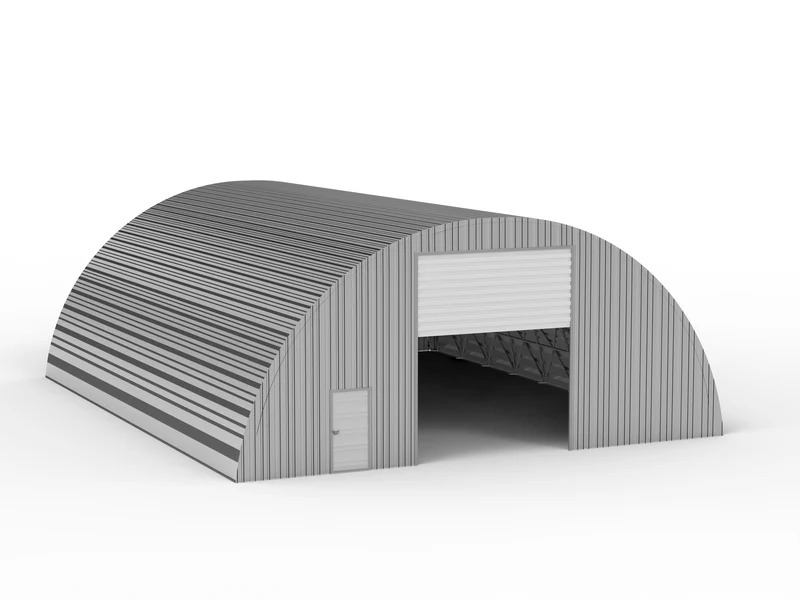
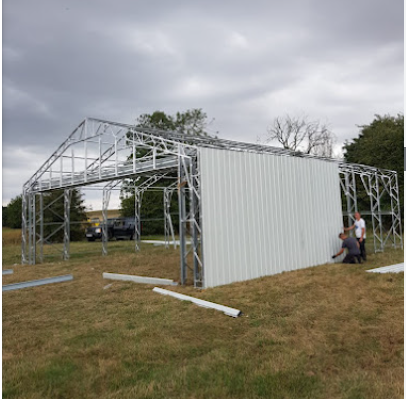
Steel: Steel-framed buildings offer durability and versatility. They can be used for offices, warehouses, or manufacturing facilities.
Wood: Wooden structures are often used for temporary offices or retail spaces. They provide a warm and welcoming atmosphere but may require more maintenance.
Aluminum: Aluminum structures are lightweight and corrosion-resistant, making them suitable for a variety of applications, including temporary workshops and storage.
Selecting the right material will depend on your specific needs, budget, and expected duration of use.
3. Location and Site Considerations
The location of your temporary building is crucial. Consider factors such as:
Local zoning regulations: Ensure that your chosen location complies with local zoning laws and regulations. Some areas may have restrictions on the use of temporary structures.
Site preparation: Evaluate the site condition where you plan to install the temporary building. It may require grading, levelling, or other preparations to ensure a stable foundation.
Accessibility: Consider how easy it is to access the site for delivery and installation of the temporary building. Accessibility can impact installation costs and timelines.
4. Duration of Use
Temporary buildings can serve your business needs for a few months to several years. It's essential to determine the expected duration of use when choosing a temporary structure. This will influence the type of building you select, as well as the materials used in its construction. For short-term needs, a fabric or tent-like structure may be sufficient, while longer-term requirements may justify investing in a steel or aluminium-framed building.
5. Customization Options
Depending on your business needs, you may require a customized temporary building. Some suppliers offer a range of customization options, including:
Insulation: If you plan to use the structure year-round, consider insulation to maintain a comfortable interior temperature.
Flooring: Choose from various flooring options, including concrete, wood, or carpet, depending on your intended use.
Windows and doors: Customize the number and size of windows and doors to meet your specific requirements for natural light and access.
Customization allows you to tailor the temporary building to your unique needs, enhancing its functionality and comfort.
6. Budget Considerations
Budget is a critical factor when selecting a temporary building. Temporary structures can be a cost-effective solution compared to traditional construction, but prices can vary significantly depending on size, material, and customization options. It's essential to establish a budget early in the planning process and work with suppliers to find a solution that meets your needs while staying within budgetary constraints.
7. Maintenance and Sustainability
Consider the ongoing maintenance requirements of your chosen temporary building. Some materials may require more upkeep than others, impacting your long-term costs. Additionally, evaluate the sustainability aspects of the temporary structure. Are the materials recyclable or reusable? Can the building be relocated and reused in the future, reducing waste?
8. Supplier Reputation
When choosing a supplier for your temporary building, it's essential to research their reputation and track record. Look for a supplier with a history of delivering quality structures on time and within budget. Reading customer reviews and requesting references can provide valuable insights into their performance and reliability.
9. Permits and Regulations
Ensure that you have a clear understanding of the permits and regulations required for your temporary building. Depending on your location and the intended use of the structure, you may need permits for zoning, construction, safety, and more. Compliance with these regulations is essential to avoid potential legal issues down the line.
10. Future Considerations
While you may be focused on your immediate business needs, it's wise to consider your future requirements as well. Will your business continue to grow? Will you need to relocate the temporary building? Thinking ahead can help you make a more informed decision and save you time and money in the long run.
In conclusion, choosing the right temporary building for your business needs requires careful consideration of factors such as purpose, materials, location, duration of use, customization, budget, maintenance, supplier reputation, permits, and future requirements. By taking these factors into account, you can select a temporary structure that not only meets your current needs but also provides flexibility and adaptability for the future, ensuring the success and sustainability of your business.