Introduction
Island nations possess a distinctive charm, an allure that draws travelers from across the globe. Jamaica, with its pristine beaches, captivating landscapes, and infectious music, is no exception. But beyond these, it is the island's culinary prowess that leaves an indelible mark on the palates of many. At the heart of Jamaican cuisine lie two dishes that capture its essence: Jamaican Curry Goat and Jamaican Cabbage. Let's journey into their history, preparation, and significance in the broader Jamaican culture.
Jamaican Curry Goat: The Quintessence of Fusion Cooking
A Mélange of Historical Influences
Before diving into the ingredients and methods, understanding the roots of Curry Goat is crucial. Jamaica's history is a tapestry of various cultures: African, European, Indian, and Chinese. The advent of Curry Goat in Jamaican cuisine is often attributed to Indian indentured laborers in the 19th century. They introduced the technique of currying to the island, which Jamaicans adopted and made their own by using local ingredients and methods.
The Art of Selecting the Meat
Unlike typical lamb curries, Jamaican Curry Goat emphasizes the use of goat meat, known for its lean yet flavorful profile. But not just any goat meat will do; traditionally, male goats, or 'ram goats', are chosen for their tenderness.
Marination: Where Magic Happens
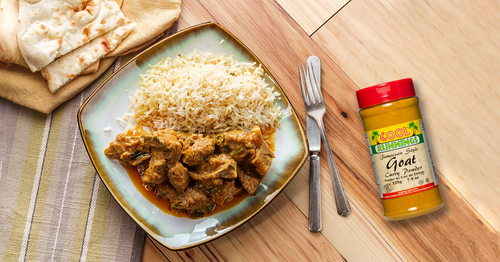
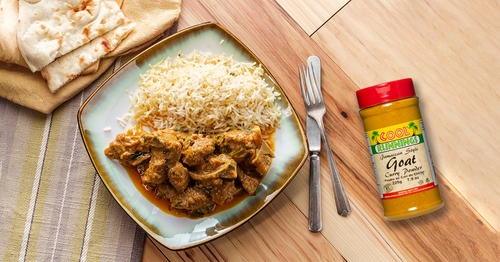
The soul of Curry Goat lies in its marination. A concoction of curry powder, allspice, Scotch bonnet peppers, thyme, garlic, onions, and ginger envelops the meat, often left overnight. This ensures that every fiber of the meat absorbs the symphony of flavors.
Slow-Cooking to Perfection
Rushing the cooking process isn't an option. After marination, the meat, along with its flavorful marinade, is slow-cooked. This slow infusion of spices ensures that the meat is both flavorful and fork-tender.
Sides and Complements
While the Curry Goat is a star on its own, accompaniments like rice and peas or steamed white rice elevate the dish, offering a balance to its robust flavors.
Jamaican Cabbage: Not Just a Side Dish
Origins and Evolution
Cabbage, introduced to Jamaica by its European settlers, found a unique place in the island's culinary landscape. Over time, this cruciferous vegetable was incorporated into various dishes, embodying the island's penchant for health and flavor.
Crafting the Dish
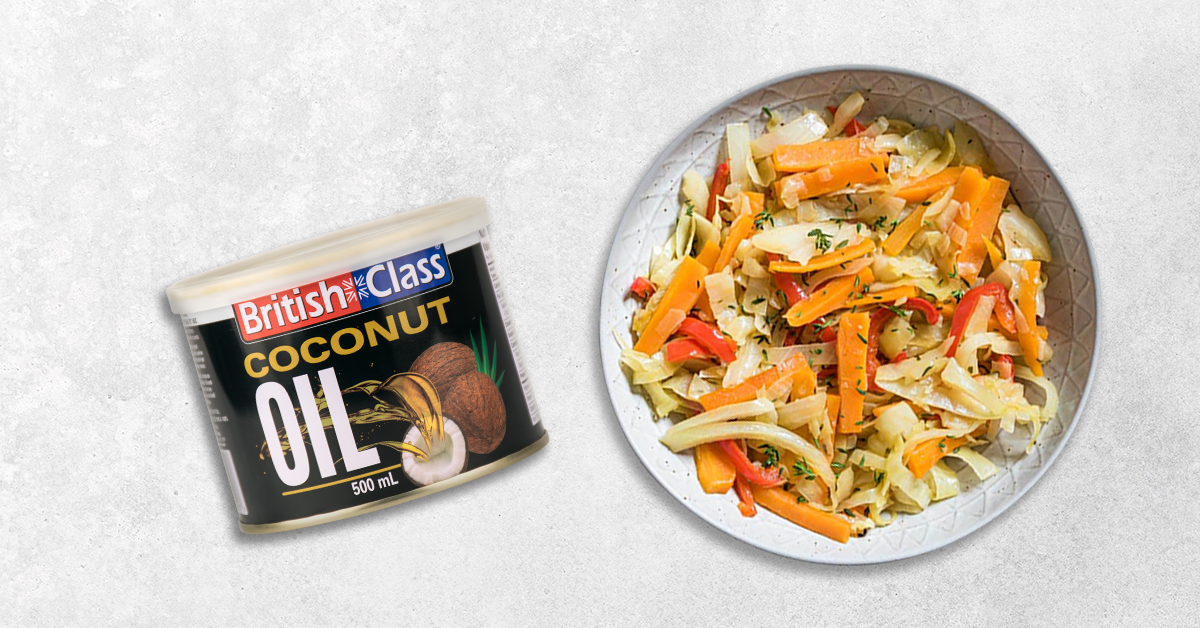
Jamaican Cabbage isn't just about sautéing vegetables. It’s a dance of colors and textures. The cabbage, often shredded, is cooked alongside vibrant bell peppers, carrots, and sometimes even tomatoes. Additions of garlic, onions, and thyme enhance its aroma and taste. For those who wish for a more hearty version, bits of salted fish or bacon are occasionally included.
Nutritional Benefits
Beyond its delightful flavor profile, Jamaican Cabbage offers a myriad of health benefits. It's rich in essential vitamins and minerals, promoting good digestion, enhancing skin health, and boosting immunity.
Both Dishes in Contemporary Culture
The global popularity of Jamaican cuisine has seen both Curry Goat and Jamaican Cabbage feature prominently in Caribbean festivals worldwide. Their presence in popular culture, music, and literature emphasizes their significance.
Conclusion: More than Just Food
To look at Jamaican Curry Goat and Jamaican Cabbage as mere dishes would be a disservice. They are narratives, stories of a nation's evolution, its challenges, and its celebrations. Every bite tells of the island's colonial past, its struggles for identity, and its eventual emergence as a cultural powerhouse. In these dishes, one tastes the love of the Jamaican people, their respect for tradition, and their undying spirit of innovation. It's a culinary journey that transcends boundaries, inviting everyone to partake in Jamaica's rich heritage and promising a taste of adventure like no other.