

Introduction
When we think about infrastructure, what often comes to mind are massive bridges soaring above rivers, intricate tunnel systems weaving beneath cities, and miles of pipelines transporting essential resources.
These structures play a major role in our daily lives and keeping them healthy and intact is key. Enter "geophysical surveying," a fantastic technology that allows us to peer beneath the surface and analyze the condition of these critical infrastructures.
I. What is Geophysical Surveying?
Geophysical surveying is like giving our infrastructure a thorough health check-up. Engineers and professionals employ specialized equipment and techniques to evaluate what lies beneath the surface rather than relying primarily on visual assessments. This approach is quite useful since it can detect issues that are not evident to the naked eye.
II. Peeling Back the Layers: How Does it Work?
Imagine you're a doctor with a magical X-ray machine that can see through walls. Geophysical surveying works somewhat like that. Here's how:
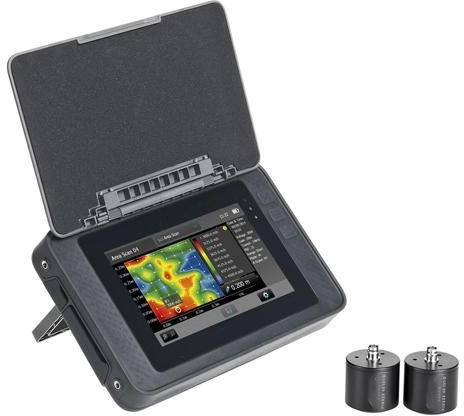
- Ground Penetrating Radar (GPR): This technique uses radar pulses to send electromagnetic waves into the ground. These waves bounce off objects below the surface and return as signals, which are then analyzed to create a detailed image of what's underneath. Engineers can spot voids, cracks, or even buried objects that might affect the integrity of a structure.
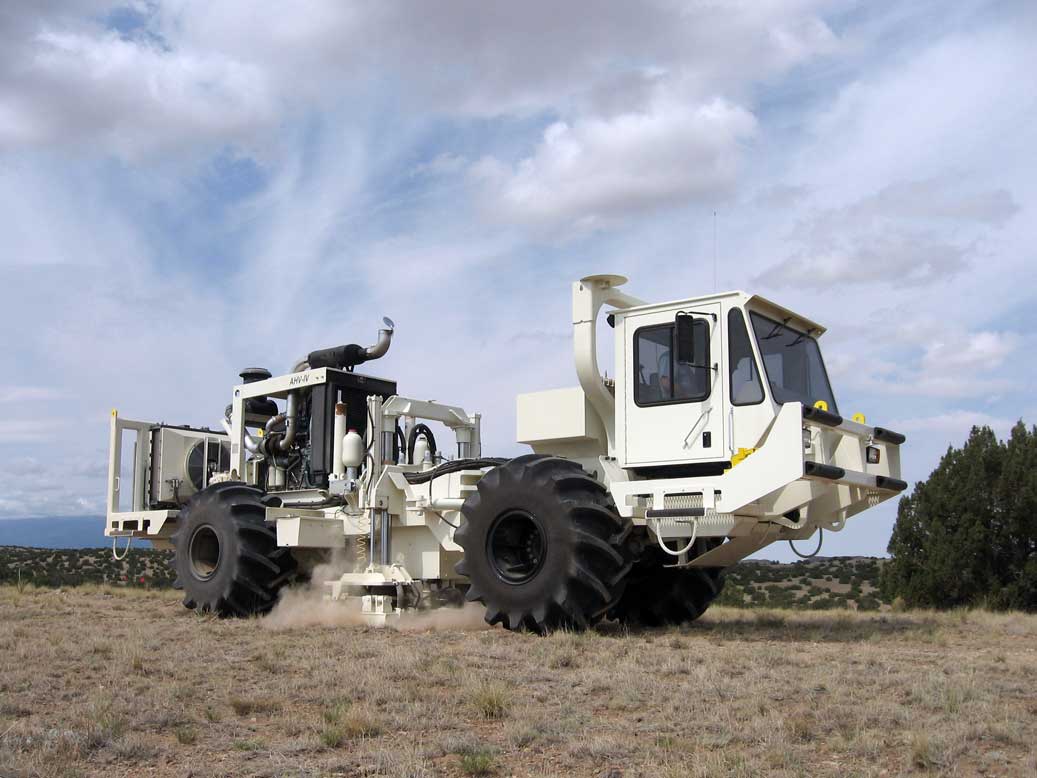
- Seismic Surveys: Ever heard of earthquakes sending shockwaves through the ground? Seismic surveys work similarly. Controlled vibrations or sound waves are sent into the ground, and their reflections help create a map of the subsurface. This method is incredibly useful for assessing the stability of foundations and detecting potential sinkholes.
- Electromagnetic Methods: These methods involve inducing electric currents or magnetic fields into the ground and measuring their responses. They can help identify variations in soil composition and locate buried utilities like pipelines.
III. Why Geophysical Surveying for Infrastructure Inspection?
Here are some compelling reasons:
- Early Detection: Geophysical surveying can identify issues before they become critical problems. Early intervention can save lives and resources.
- Non-Destructive: Unlike traditional inspection methods that may require drilling or excavation, geophysical surveys are non-invasive. They leave the structure intact while providing valuable insights.
- Cost-Effective: Though it requires specialized equipment and expertise, geophysical surveying often proves cost-effective in the long run by preventing expensive infrastructure failures.
IV. Applications in Action
- Bridges: Geophysical surveys can assess the condition of bridge foundations and detect any erosion or structural weaknesses in the support systems.
- Tunnels: By inspecting the subsurface around tunnels, experts can ensure that the tunnels remain stable and free from potential collapse risks.
- Pipelines: Geophysical methods are essential for locating and assessing underground pipelines, ensuring they remain leak-free and operational.
Conclusion
In the world of infrastructure inspection, geophysical surveying is like having a superhero's X-ray vision. It helps engineers and experts ensure the health and longevity of critical structures like bridges, tunnels, and pipelines. By peeling back the layers of the earth, geophysical surveying uncovers hidden problems and keeps our infrastructure safe and sound.
So, the next time you drive over a bridge or walk through a tunnel, remember that there's more to these structures than meets the eye, thanks to the incredible power of geophysical surveying. It's a technology that safeguards our daily lives and keeps the world moving forward.