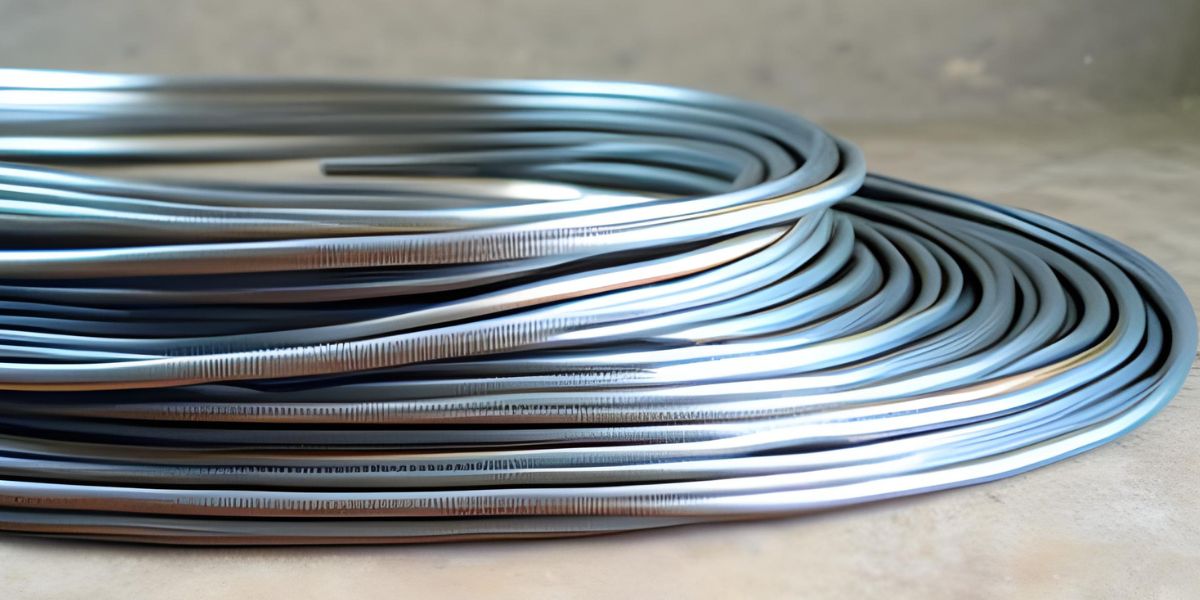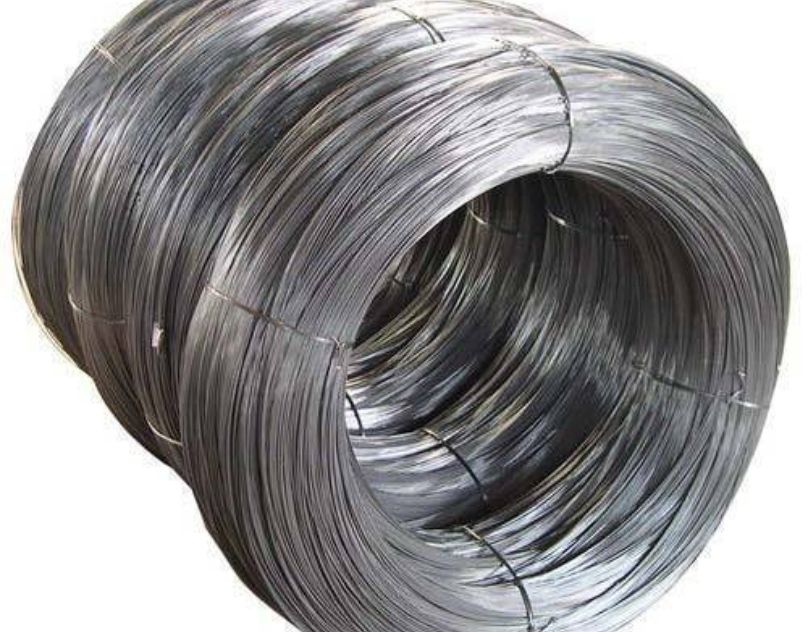


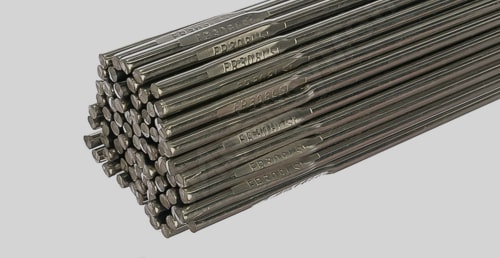
In the world of welding, choosing the right filler wire can make all the difference between a successful project and one fraught with issues. Two popular options often come into play: 316 and 308 filler wires. Each has its own set of unique properties and applications. This comprehensive guide will delve into the intricate details of 316 vs. 308 filler wires, helping you make an informed decision for your welding project.

Composition and Properties
316 Filler Wire
316 filler wire is a versatile choice widely used in various welding applications. It is part of the austenitic stainless steel family, primarily composed of iron, chromium, nickel, and molybdenum. This composition gives 316 filler wire exceptional corrosion resistance properties, making it suitable for welding in aggressive environments, such as marine or chemical processing industries.
One of the standout features of 316 filler wire is its ability to resist pitting and crevice corrosion, thanks to the molybdenum content. This makes it ideal for welding stainless steel components exposed to harsh conditions.
308 Filler Wire
308 filler wire, on the other hand, belongs to the austenitic stainless steel family but has a different composition compared to 316. It contains primarily iron, chromium, and nickel, with no molybdenum. This composition makes 308 filler wire less resistant to corrosive environments than 316, but it excels in applications where corrosion resistance is not the primary concern.
Welding Applications
316 Filler Wire
316 filler wire is often the preferred choice when welding materials that require superior corrosion resistance. Here are some key applications:
- Marine Industry: Due to its resistance to saltwater corrosion, 316 filler wire is extensively used in shipbuilding and repairs.
- Chemical Processing: In facilities dealing with corrosive chemicals, 316 filler wire is the go-to option for welding tanks, pipes, and other equipment.
- Pharmaceutical Industry: The high levels of cleanliness required in pharmaceutical manufacturing benefit from 316's corrosion resistance.
308 Filler Wire
308 filler wire may not match 316's corrosion resistance, but it shines in other areas:
- General Fabrication: For everyday welding tasks like joining mild steel components, 308 filler wire offers excellent performance.
- Food Industry: In food processing plants, corrosion is not a major concern; 308 filler wire is often used for welding machinery and equipment.
Mechanical Properties
When it comes to mechanical properties, both filler wires exhibit their strengths:
- 316 Filler Wire: This wire offers superior tensile strength and is more ductile than 308. It can withstand higher stress levels, making it suitable for applications where structural integrity is crucial.
- 308 Filler Wire: While it may not match 316 in tensile strength, 308 filler wire is more cost-effective. It's a reliable choice for projects where mechanical properties are less critical.
Welding Techniques
The choice between 316 and 308 filler wire also impacts your welding techniques:
- 316 Filler Wire: Due to its higher alloy content, 316 filler wire requires careful attention to heat control during welding. Precise temperature management is essential to prevent overheating and maintain the material's corrosion resistance properties.
- 308 Filler Wire: Welding with 308 filler wire is relatively forgiving regarding heat control. This makes it a more accessible option for less experienced welders.
Cost Considerations
Cost is often a crucial factor in choosing the right filler wire for your welding project:
- 316 Filler Wire: While 316 offers exceptional performance in corrosive environments, it tends to be more expensive than 308 filler wire due to its molybdenum content.
- 308 Filler Wire: If budget constraints are a concern, 308 filler wire provides a cost-effective alternative without compromising weld quality for certain applications.
Conclusion
There's no one-size-fits-all answer in the battle of 316 vs. 308 filler wire. Your choice depends on the specific requirements of your welding project. If corrosion resistance is paramount and you can allocate a higher budget, filler wire for ss 316 is your best bet. On the other hand, for general welding tasks where cost-efficiency is a key consideration, 308 filler wire offers a reliable solution.
Remember, the success of your welding project depends not only on the filler wire but also on your welding skills and techniques. Always ensure you have the expertise to handle the chosen filler wire effectively.
Understanding the differences between 316 and 308 filler wires empowers you to make an informed decision, ensuring that your welding project stands the test of time.