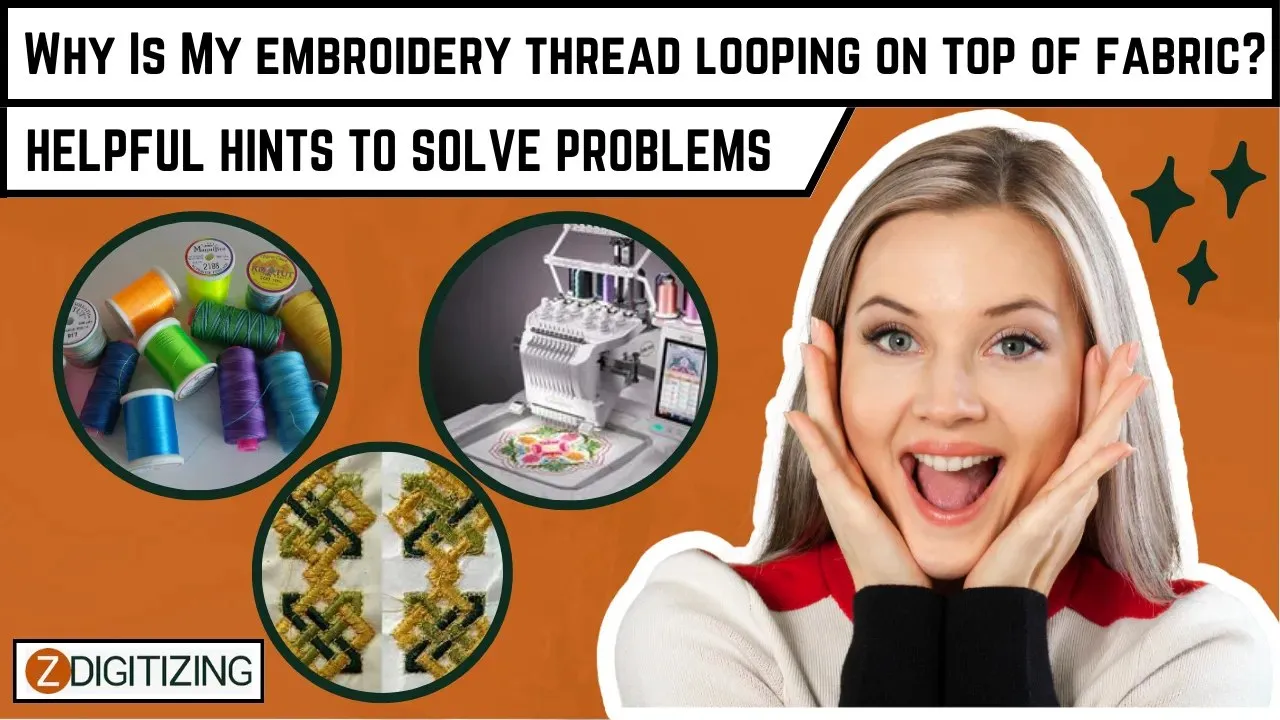
Machine embroidery is a captivating and creative craft that allows you to adorn fabric with intricate designs and patterns. However, like any craft, it comes with its fair share of challenges, and one common issue embroiderers face is thread looping on top of the fabric. These loops can mar the quality of your embroidery and be frustrating to deal with. In this comprehensive guide, we will explore the reasons behind this problem and provide solutions to help you achieve flawless machine embroidery results.
Understanding Thread Looping
Before we dive into troubleshooting, it's essential to understand what thread looping on top of the fabric looks like and why it occurs. Thread looping typically manifests as loose or uneven loops of thread on the top side of your embroidery, giving your design an unsightly and messy appearance. This issue can be caused by various factors, and identifying the root cause is crucial to resolving it effectively.
Common Causes of Thread Looping on Top of Fabric
Let's examine some of the most common reasons why your embroidery thread might be looping on top of the fabric:
1. Tension Issues
Cause: Incorrect thread tension is one of the primary culprits of thread looping. If the upper thread tension is too loose, it can result in loops on the top side of the fabric.
Solution: Check and adjust the thread tension according to your machine's manual. Ensure that the thread is correctly threaded through the tension disks and that there are no obstructions or knots.
2. Bobbin Tension Problems
Cause: Uneven or incorrect bobbin tension can also lead to thread looping. If the bobbin thread is too tight or too loose, it will affect the overall balance of the tension.
Solution: Adjust the bobbin tension carefully. Consult your machine's manual for guidance on how to make fine adjustments to the bobbin tension screw.
3. Needle Issues
Cause: A damaged or dull needle can cause thread looping. When the needle is not sharp, it can't properly pierce the fabric and form a clean stitch.
Solution: Replace the needle regularly to ensure it's sharp and in good condition. Make sure you're using the correct needle type and size for your fabric.
4. Bobbin Thread Problems
Cause: If the bobbin thread is not wound smoothly onto the bobbin, it can create tension irregularities and lead to thread looping.
Solution: Wind the bobbin thread evenly and ensure it's correctly inserted into the bobbin case. Check for any tangles or knots in the bobbin thread.
5. Thread Quality
Cause: Low-quality or old thread can be prone to breakage and looping. Poor-quality thread can have irregular thickness and weak fibers.
Solution: Invest in high-quality embroidery thread from a reputable brand. Check the thread's expiration date, and store it in a cool, dry place to maintain its quality.
6. Stabilizer Issues
Cause: Using the wrong stabilizer or failing to use one altogether can result in thread looping. The stabilizer provides support for the fabric and prevents puckering.
Solution: Choose the appropriate stabilizer for your fabric and design. Ensure it's properly hooped and aligned with the fabric.
Tips for Preventing Thread Looping
While troubleshooting and addressing the root causes of thread looping are essential, here are some preventive measures to help you avoid this issue in the future:
- Regular Maintenance: Keep your embroidery machine clean and well-maintained. This includes cleaning out lint and debris, oiling the machine as recommended, and checking for any loose parts.
- Use Quality Thread: Invest in high-quality embroidery thread from a trusted brand. Quality thread is less likely to break or loop.
- Proper Hooping: Ensure that the fabric and stabilizer are hooped securely and evenly. Use proper hooping techniques to prevent fabric movement during embroidery.
- Correct Needle Choice: Always use the appropriate needle type and size for your fabric. Change the needle regularly to maintain its sharpness.
- Thread Path Inspection: Regularly check the thread path to ensure the thread is correctly threaded through all guides and the needle. Make sure there are no obstructions or knots in the thread path.
- Stitch Slowly: If you're experiencing thread looping, try reducing the stitching speed of your embroidery machine. Slower speeds can help prevent tension issues.
In Conclusion
Thread looping on top of fabric can be a frustrating issue in machine embroidery, but it's not insurmountable. By understanding the common causes of this problem and implementing the suggested solutions and preventive measures, you can enjoy smoother and more successful embroidery projects. Whether you're part of an embroidery digitizing company, creating machine embroidery designs, or pursuing embroidery as a hobby, addressing thread looping will contribute to the quality and beauty of your embroidered creations. With patience and practice, you'll achieve flawless results in no time.