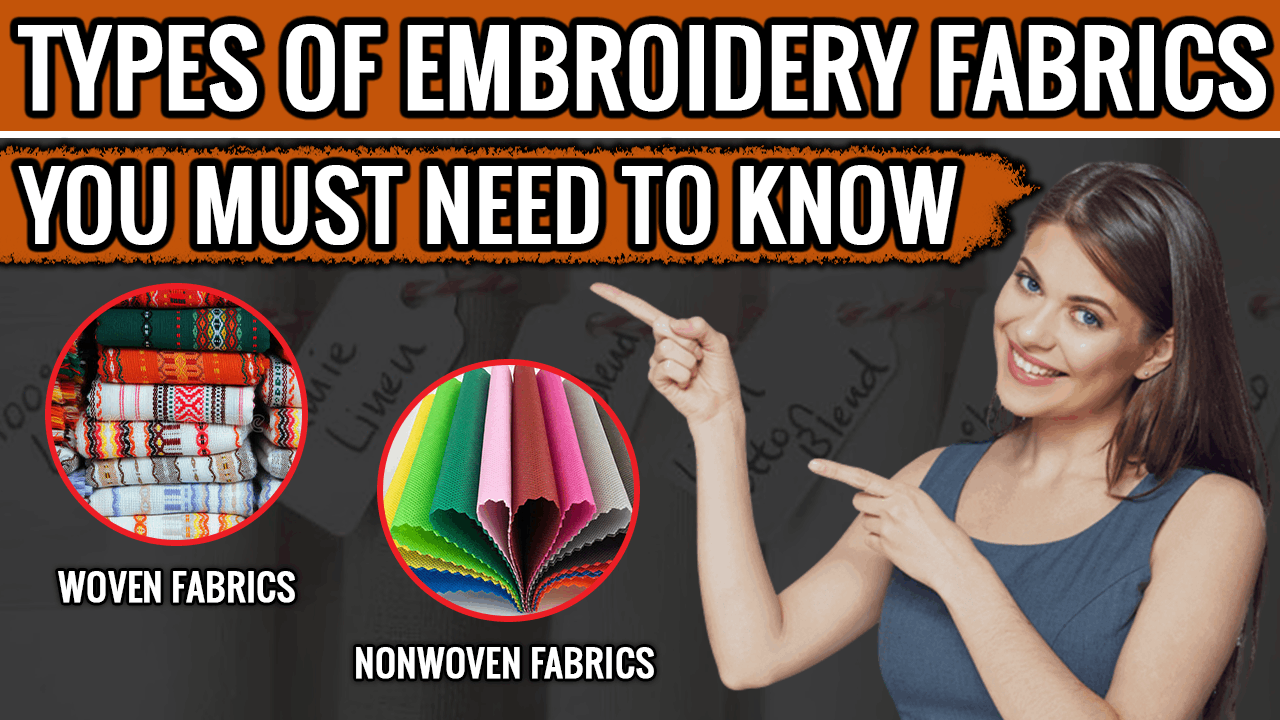
Embroidery, a craft that blends artistry with precision, hinges on the selection of the right fabric. In this comprehensive guide, we'll delve into the crucial realm of embroidery digitizing fabric types. From the importance of digitizing services for embroidery to the creative potential of converting pictures into embroidery designs and the vast library of free embroidery designs available, we'll explore the various fabric options and why knowing them is essential for your embroidery journey. Additionally, we'll highlight the valuable contribution of zdigitizing to the embroidery community.
Table of Contents
- Introduction
- Embroidery Digitizing Fabric: The Unseen Foundation2.1 The Role of Fabric in Digitizing
- 2.2 Understanding Fabric Types
- Cotton: The Classic Choice3.1 Characteristics of Cotton
- 3.2 Digitizing Considerations for Cotton
- Linen: The Rustic Elegance4.1 Characteristics of Linen
- 4.2 Digitizing Considerations for Linen
- Silk: The Luxurious Option5.1 Characteristics of Silk
- 5.2 Digitizing Considerations for Silk
- Polyester: The Versatile Champion6.1 Characteristics of Polyester
- 6.2 Digitizing Considerations for Polyester
- Blends: Finding the Right Mix7.1 Characteristics of Blended Fabrics
- 7.2 Digitizing Considerations for Blended Fabrics
Introduction
Embroidery digitizing, a precise and intricate process, relies on the choice of the right fabric as its foundation. In this guide, we'll explore the essential types of embroidery digitizing fabric. From the importance of digitizing services for embroidery to the creative potential of converting pictures into embroidery designs and the vast library of free embroidery designs available, we'll delve into the fabric choices and why they are crucial for your embroidery journey. ZDigitizing remains a trusted partner in your quest for fabric-centric digitizing excellence.
Embroidery Digitizing Fabric: The Unseen Foundation
2.1 The Role of Fabric in Digitizing
Understand the pivotal role that fabric plays in the digitizing process, affecting stitch selection, density, and design quality.
2.2 Understanding Fabric Types
Explore the world of embroidery digitizing fabric types, each with its unique characteristics that impact the digitizing journey.
Cotton: The Classic Choice
3.1 Characteristics of Cotton
Discover the characteristics of cotton, a classic choice for embroidery digitizing known for its natural, breathable, and absorbent properties.
3.2 Digitizing Considerations for Cotton
Learn about the digitizing considerations when working with cotton fabric, including stitch density and stability.
Linen: The Rustic Elegance
4.1 Characteristics of Linen
Explore the rustic elegance of linen fabric, known for its durability, natural texture, and timeless appeal.
4.2 Digitizing Considerations for Linen
Understand the digitizing nuances when working with linen, such as adjusting for its natural texture and drape.
Silk: The Luxurious Option
5.1 Characteristics of Silk
Uncover the luxurious qualities of silk fabric, celebrated for its softness, sheen, and lightweight feel.
5.2 Digitizing Considerations for Silk
Learn how to digitize effectively on silk, considering its delicate nature and ensuring precise stitch placement.
Polyester: The Versatile Champion
6.1 Characteristics of Polyester
Explore the versatility of polyester fabric, known for its durability, wrinkle resistance, and color retention.
6.2 Digitizing Considerations for Polyester
Discover the digitizing tips and techniques for working with polyester, ensuring vibrant and long-lasting embroidery.
Blends: Finding the Right Mix
7.1 Characteristics of Blended Fabrics
Understand the characteristics of blended fabrics, where different fibers come together to create unique textures and properties.
7.2 Digitizing Considerations for Blended Fabrics
Explore how to digitize effectively on blended fabrics, considering their combined qualities and ensuring harmonious embroidery.