



Introduction
In the realm of business-to-business (B2B) marketing, the food industry offers a unique and dynamic landscape. From suppliers and distributors to restaurants and catering services, B2B food marketing plays a crucial role in delivering the flavors that consumers savor. However, navigating this landscape successfully requires a deep understanding of the essentials of B2B food marketing. In this article, we will explore the key strategies and insights that can help businesses win over the taste buds of their B2B partners and customers.
Understanding the B2B Food Market
Before diving into marketing strategies, it's essential to grasp the nuances of the B2B food market. Unlike the consumer market, B2B food marketing focuses on businesses that purchase food products for various purposes, including manufacturing, distribution, and resale. This market encompasses a wide range of players, from ingredient suppliers to foodservice providers.
Building Strong Relationships
- Tailored Solutions: Businesses in the food industry have unique needs and requirements. To win their loyalty, offer customized solutions that address their specific challenges. Whether it's bulk purchasing, packaging options, or specialized ingredients, catering to their needs is key.
- Open Communication: Establish clear and open lines of communication with B2B partners. Listen to their feedback, concerns, and suggestions. Regular communication helps build trust and ensures a mutually beneficial relationship.
- Transparency: Be transparent about your products and processes. Provide detailed information about the quality, sourcing, and safety of your food products. Transparency is essential in an industry where trust is paramount.
Leveraging Digital Marketing
- Online Presence: Establish a strong online presence through a user-friendly website. Include detailed product information, customer testimonials, and easy-to-find contact information. Your website serves as a valuable resource for B2B buyers researching your offerings.
- Content Marketing: Create informative and engaging content that showcases your expertise in the food industry. Blog posts, articles, and videos can educate B2B buyers and position your brand as a trusted authority.
- Social Media: Utilize social media platforms to connect with potential B2B partners and customers. Share industry insights, product updates, and engaging visuals that highlight your offerings.
- Email Marketing: Develop targeted email campaigns to reach B2B contacts. Share relevant content, promotions, and product updates to keep them informed and engaged.
Product Quality and Innovation
- Quality Assurance: Consistently deliver high-quality food products that meet or exceed industry standards. Establish rigorous quality assurance processes and certifications to instill confidence in your offerings.
- Innovation: Stay ahead of the curve by continually innovating your product line. Explore trends in the food industry, such as plant-based options, organic ingredients, or sustainable packaging, and incorporate them into your offerings.
Sustainability and Responsibility
- Environmental Initiatives: Embrace sustainable practices in your operations, from sourcing ingredients responsibly to minimizing food waste. Highlight your commitment to sustainability in your marketing efforts.
- Food Safety: Prioritize food safety and hygiene throughout your supply chain. Ensure compliance with regulatory standards and communicate your dedication to food safety to B2B partners.
Competitive Pricing and Value
- Competitive Analysis: Conduct thorough research on your competitors' pricing strategies. Offer competitive pricing that reflects the value of your products and services.
- Value Proposition: Clearly define your unique value proposition. What sets your food products apart? Whether it's superior quality, exceptional customer service, or innovative solutions, communicate your value effectively.
Trade Shows and Networking
- Participation: Attend industry-specific trade shows and events to network with potential B2B partners. These events provide valuable opportunities for face-to-face interactions and product showcases.
- Relationship Building: Use trade shows as platforms for relationship building. Engage in meaningful conversations, gather feedback, and exchange contact information for future collaborations.
Case Studies and Testimonials
- Success Stories: Share case studies and success stories that highlight how your food products have benefited other B2B customers. Real-life examples of positive outcomes can build trust and credibility.
- Customer Testimonials: Encourage satisfied B2B customers to provide testimonials and reviews. Authentic testimonials serve as powerful endorsements of your products and services.
Regulatory Compliance
- Stay Informed: Stay updated on relevant regulations and compliance requirements in the food industry. Ensure that your products and practices adhere to these standards.
- Transparency: Communicate your commitment to regulatory compliance in your marketing materials. Highlight certifications and compliance measures to instill confidence in your offerings.
Conclusion
B2B food marketing is a multifaceted endeavor that requires a deep understanding of the food industry, strong relationships with B2B partners, and effective marketing strategies. To win over the taste buds of businesses in this competitive market, focus on building strong relationships, leveraging digital marketing channels, prioritizing product quality and innovation, embracing sustainability and responsibility, offering competitive pricing, and showcasing your value proposition.
By implementing these essentials of B2B food marketing, businesses can position themselves as trusted partners in the food industry, satisfying the unique needs and taste preferences of their B2B customers while nurturing lasting relationships that drive growth and success.




There are bunches of best cafes in Dharamshala that are offering acceptable food alongside refreshments.
Food is something everybody needs to appreciate during movement in Dharamshala.
Restaurants and cafes will improve your taste buds and serve you Tibetan, Chinese and Indian Food which are effectively accessible in Dharamshala.
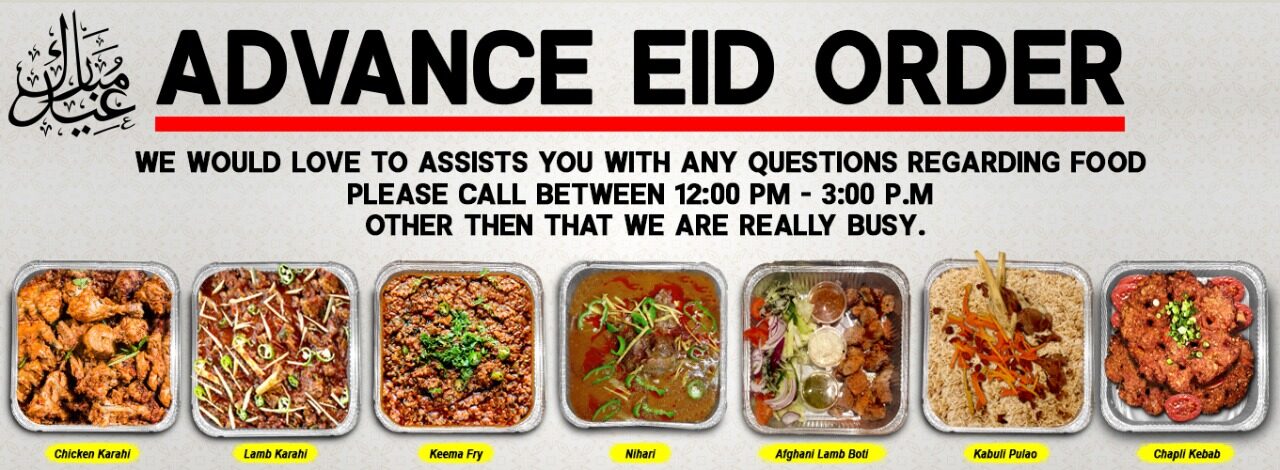
Indian restaurant HounslowLala Peshawari are one of the authentic halal Pakistani, Indian and Afghani food restaurants in Hounslow, UK preparing mouthwatering cuisines for you.Bringing to you the traditional taste of Pakistani and Afghani foods, prepared by our experts chefs straight from Pakistan and Afghanistan,blessed your taste buds with traditional taste.
Halal restaurants Hounslow, UK, Pakistani FoodVisit Here: - https://www.lalapeshawari.co.uk/
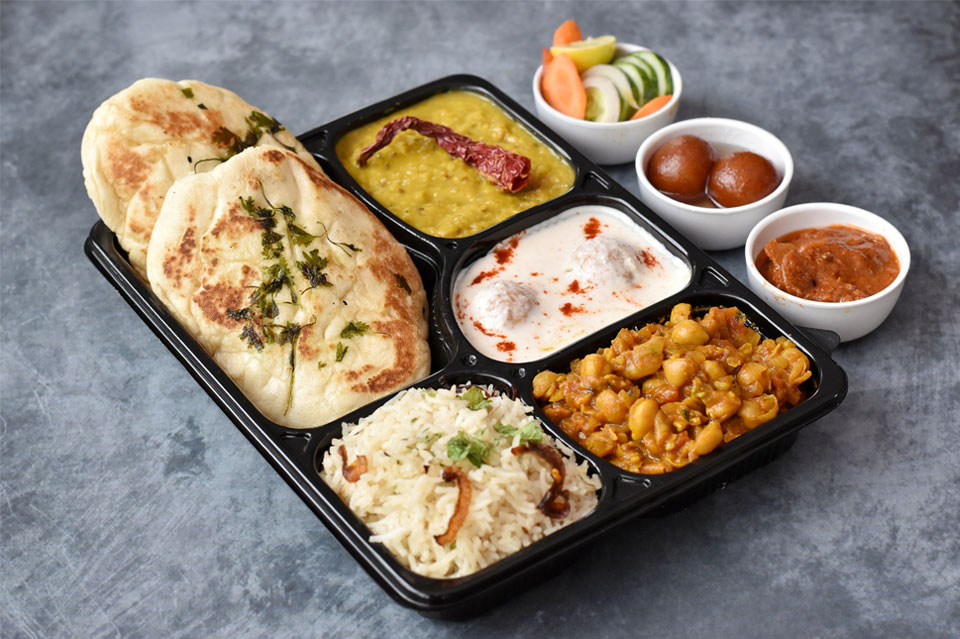
Food Fab, one of the finest catering companies in Bangalore offers you the finest catering services.
We have a team of experts who deliver the best food in Bangalore.
Each dish prepared by us is made with love and care, to delight your taste buds.
Whether you're hosting a party or ordering food, we are here to help you out!Do check out their tasty list of meals Call now!
We’re just a ring away Tel: 080-41528008Mob: +91 99163 77951https://www.foodfab.co.in/