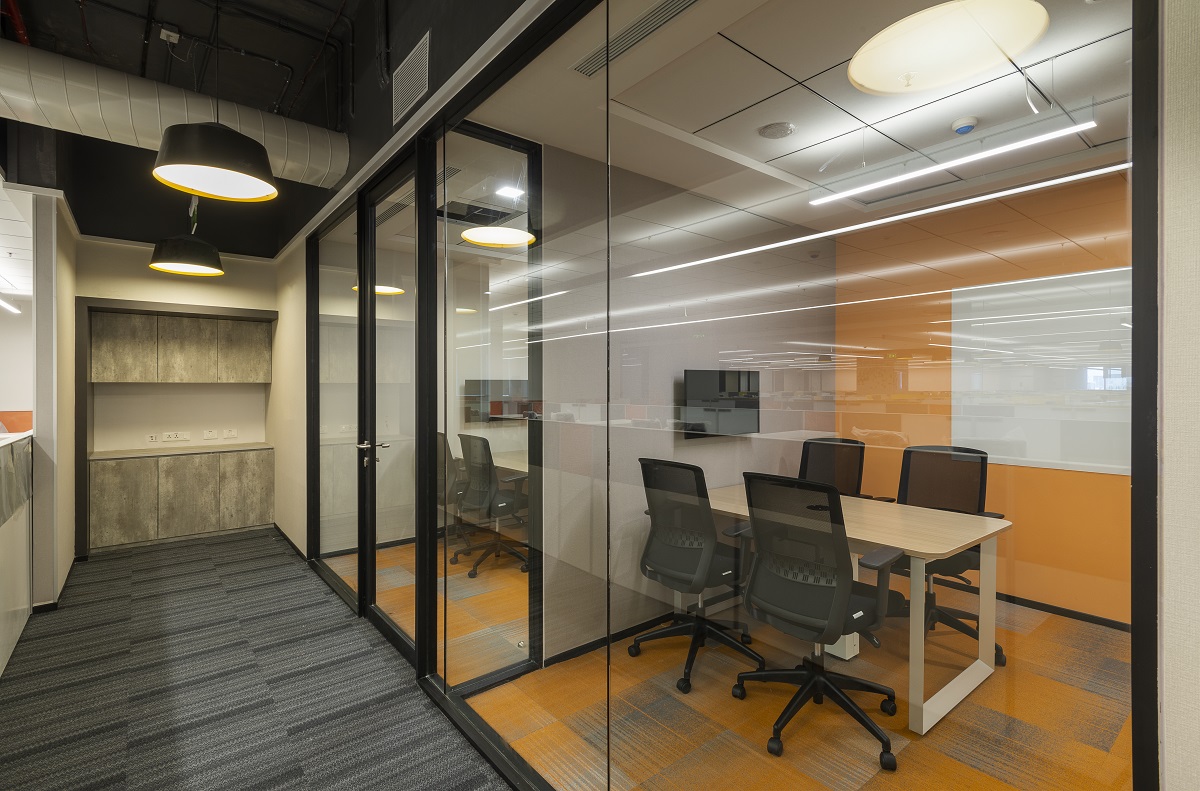


The days of corporate interior fit-outs being only concerned with appearance and functionality are long gone. Companies today work to develop office facilities that are ecologically friendly, energy-efficient, and support employee well-being as awareness of sustainability grows. Several green trends are emerging as a result of this change towards sustainability in workplace architecture and are being embraced by companies of all kinds. We'll look at a few of these developments in this post, along with the advantages they have for the workplace.
The Importance of Corporate Interior Fit-Out
The workplace environment is significantly shaped by the corporate interior fit-out. It includes everything, from the selection of materials and furnishings to the configuration and design of the workplace space. A well-designed office not only boosts worker productivity and engagement, but it also conveys the culture and values of the business.
Businesses are adopting sustainable techniques in their corporate interior fit-outs as they become more aware of how their activities affect the environment. Companies may lessen their carbon footprint, conserve resources, and give their workers healthier work environments by incorporating green ideas into workplace design.
Incorporating Sustainability into Corporate Interior Fit-Out
Eco-Friendly Materials
The use of environmentally friendly materials is one of the main trends in sustainable workplace design. Furniture and finishes manufactured from recycled or renewable resources are becoming more popular among businesses. The environmental effect of workplace fit-out projects can be greatly reduced, for instance, by using desks and chairs made of bamboo or repurposed wood. Moreover, utilising paints and adhesives with low VOC (Volatile Organic Compounds) helps to enhance indoor air quality, lowering the risk of health problems for workers.
Energy-Efficient Lighting
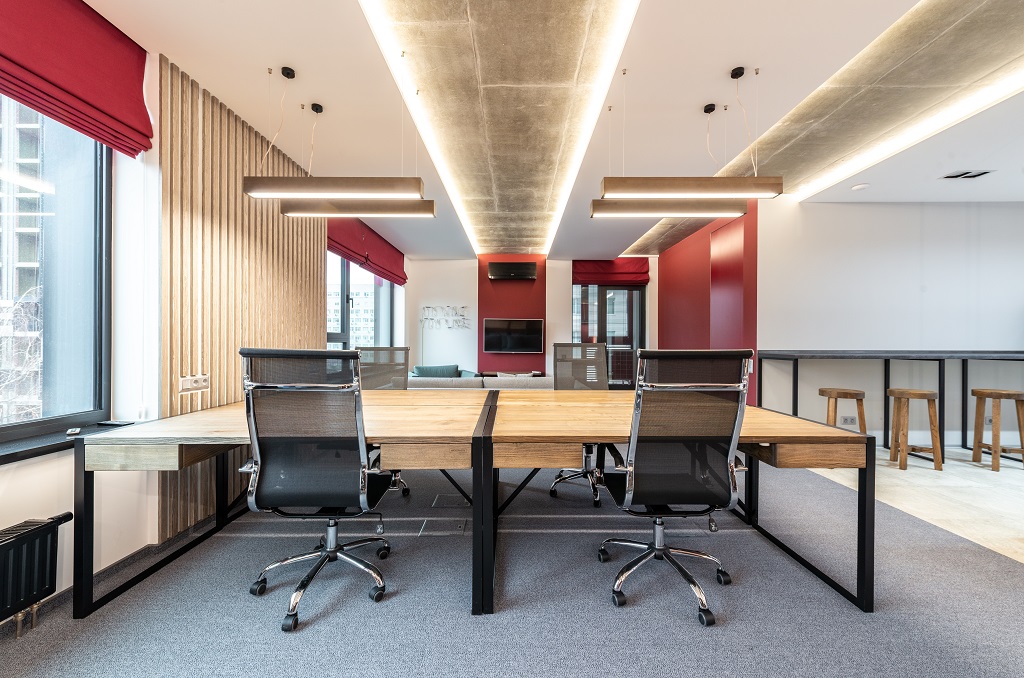
Office design must take lighting into account, both aesthetically and practically. In corporate interior fit-outs, incandescent bulbs are being replaced by energy-efficient lighting options including LED and CFL bulbs. These lighting choices use a lot less energy, work better, and produce less heat. Skylights and huge windows can be used to add natural illumination, which not only saves energy but also improves the atmosphere in which people work.
Smart Building Systems
Technology advancements have made it possible to incorporate smart building technologies into office layouts. The energy consumption and efficiency of these systems are optimised through the use of sensors and automation. Smart thermostats, for instance, may change temperature settings based on occupancy, saving energy and money. Systems that detect motion ensure that lights are only turned on when necessary, significantly reducing energy use.
Green Spaces
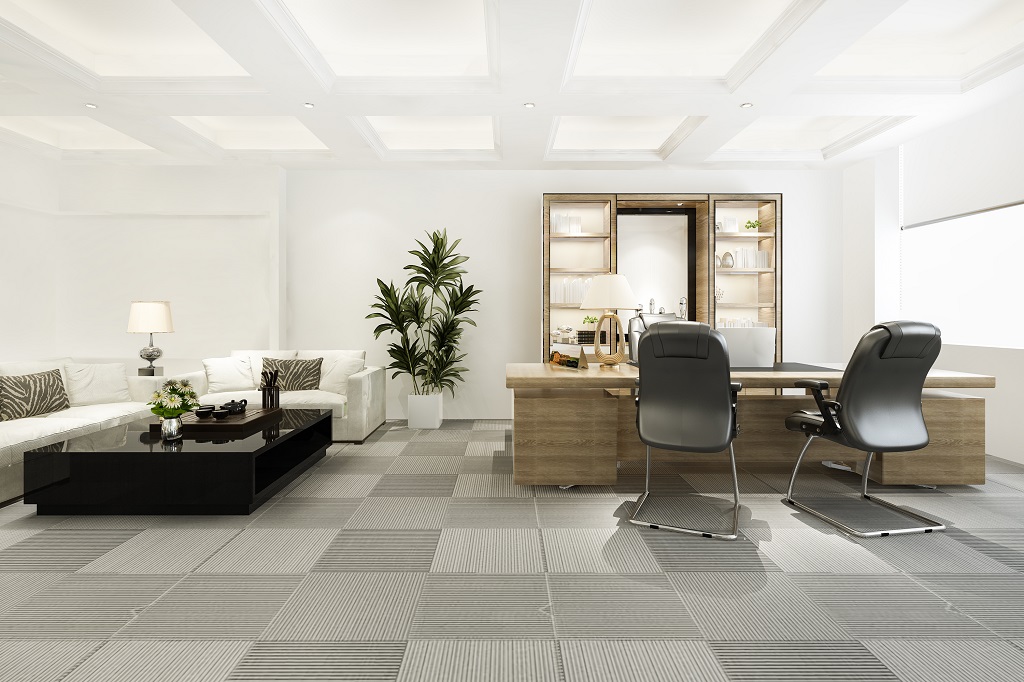
A growing trend in environmentally friendly office design is the use of green spaces. Indoor plants increase the appearance of the workplace and also contribute to healthier air and happier workers. To make the workplace healthier and more pleasant, businesses are integrating living walls, vertical gardens, and potted plants. Also, these green areas serve as organic sound buffers, which lower noise levels and foster a calm environment.
The Benefits of Sustainable Corporate Interior Fit-Out
Corporate interior fit-out that uses sustainable principles has several advantages for both employers and employees. Let's examine some of these advantages in more detail:
Environmental Impact
Businesses can dramatically lower their carbon footprint by utilising environmentally friendly products and energy-saving solutions. This assists in conserving natural resources and reducing adverse environmental effects. Sustainable interior design also helps to improve the ecology and set the path for a more environmentally friendly future.
Cost Savings
Sustainable corporate interior fit-outs may need to make an initial investment, but they save money in the long run. Lower utility bills are the result of energy-efficient lighting and intelligent building technologies. Furthermore, using strong, high-quality materials eliminates the need for regular repairs and replacements, ultimately saving businesses money.
Employee Well-being and Productivity
Employee productivity and well-being are given top priority in sustainable office design. Focus, creativity, and general job happiness have been demonstrated to be improved by green spaces, natural lighting, and improved indoor air quality. Sustainable office settings improve the likelihood that staff members will feel appreciated, motivated, and engaged, which boosts output and lowers absenteeism.
Positive Brand Image
Businesses with a strong brand image value sustainability in their corporate interior fit-outs. Consumers, clients, and future workers are becoming more aware of how a company affects the environment, and they are more willing to interact with companies that share their values. Companies may stand out in the market and draw in stakeholders that care about the environment by demonstrating their dedication to sustainability.
The Future of Office Interior Design
The future of workplace interior design will place even more emphasis on eco-friendly techniques as sustainability continues to be a primary focus for companies across all industries. We may anticipate seeing more cutting-edge approaches, tools, and materials that support waste reduction, energy efficiency, and worker wellbeing.
Office settings will need to change as remote and flexible work options become more popular to meet shifting needs. The emphasis will switch to developing adaptable, communal areas that promote creativity and social interaction while remaining efficient and sustainable.
Companies will be able to monitor and improve their office spaces in real-time thanks to the integration of technology, such as smart building systems and effective energy management. The visualisation and planning of sustainable interior fit-outs will also greatly benefit from the use of virtual and augmented reality tools.
Conclusion
Trends in corporate interior design are changing to emphasise sustainability. Companies are realising more and more the advantages of designing their offices with eco-friendly materials, energy-saving lighting, smart building technologies, and green spaces. These environmentally friendly measures also help to cut costs, improve staff wellbeing, and promote a favourable corporate image. Future office design will continue to focus on developing workspaces that are sustainable, adaptable, and collaborative.