
Introduction to career as a Data Scientist
Are you interested in a career as a Data Scientist? Perhaps you have heard about the rapid growth of this field and want to learn more about the education and skills required to excel in this role.
Firstly, it is important to understand that data science is a rapidly growing field. With the rise of technology and digitalization, there is an abundance of data available for companies to utilize. This has led to an increased demand for professionals who can make sense of this data and provide valuable insights. In fact, according to the World Economic Forum, Data Scientist is one of the top emerging jobs.
Education:
A strong educational background in math, statistics, computer science or a related field is highly recommended for becoming a Data Scientist. A bachelor's degree in one of these fields is usually the minimum requirement for entry-level positions.
However, having a degree alone may not be enough to stand out among other candidates. Continuous learning through online courses, workshops or self study can help you stay updated with the latest tools and techniques used in data science.
Understanding the Role of a Data Scientist
So, what exactly is a data scientist? Simply put, a data scientist is a professional who uses various tools and techniques to extract meaning from large sets of structured or unstructured data. They have a unique blend of analytical, technical, and communication skills that allow them to make sense of complex data and present it in a meaningful way.
Nowadays, almost every industry relies on data to make informed decisions. From healthcare to finance, retail to marketing businesses are constantly collecting and analyzing large amounts of data to gain a competitive edge. This has resulted in a high demand for skilled data scientists who can handle this task efficiently.
One of the key skills required for a career as a data scientist is strong mathematical aptitude. Data scientists work with numbers and algorithms every day, so having a good understanding of mathematics is crucial. You don't need to be a math genius, but you should have a solid foundation in statistics, linear algebra, and calculus. T
Apart from mathematics, there are several other skills that are essential for becoming a successful data scientist. One of them is programming skills specifically in languages such as Python or R. These languages are commonly used for data analysis due to their powerful libraries and tools designed specifically for handling large datasets.
Education Requirements for Data Scientists
Firstly, let's understand what data science is. It is an interdisciplinary field that combines elements of computer science, mathematics, and statistics to analyze and extract insights from large amounts of data. Data scientists are responsible for identifying patterns, trends, and correlations in data that can help organizations make more informed decisions.
Now that we know the basics of data science, let's talk about the education requirements for this career path. Most employers prefer candidates with at least a bachelor's degree in computer science, mathematics, or statistics. However, many also accept degrees in related fields such as engineering, economics, or physics.
A strong foundation in programming languages such as Python, R, and SQL is also essential for data scientists. These languages are commonly used for statistical analysis and manipulating large datasets. Familiarity with tools like Hadoop and Spark is also beneficial as these are used for processing big data.
In addition to technical skills, having a solid understanding of mathematical concepts like linear algebra and calculus is crucial in the field of data science. These concepts are used to develop algorithms and models to analyze and predict future trends.
Technical Skills Required for Data Science
If you are considering a career in data science, it is essential to understand the key technical skills required for this role. In this blog section, we will explore the important technical skills that every aspiring data scientist should possess.
1. Programming Skills:
Programming is the backbone of data science. Strong programming skills are crucial for processing and analyzing large datasets efficiently and building machine learning models. Some of the popular programming languages used in data science include Python, R, SQL, and Java. A basic understanding of these languages is a must for any aspiring data scientist.
2. Data Wrangling:
Data wrangling or preprocessing is another essential skill for a data scientist. It involves cleansing, organizing, and formatting raw data to make it suitable for analysis. This process can be time-consuming and challenging as it involves handling missing values, outliers, and other inconsistencies in the data. Therefore, having a good grasp of tools like Excel or Pandas library in Python can make your life easier when it comes to cleaning messy datasets.
3. Statistical Skills:
Data scientists need to have strong knowledge of statistics to interpret the results accurately and make informed decisions based on data analysis. Understanding concepts such as descriptive statistics, probability distributions, hypothesis testing, and regression analysis is crucial for modeling and predicting future trends.
Analytical and Problem-Solving Skills for Data Scientists
Firstly, let's understand the role of a data scientist. A data scientist is responsible for extracting valuable insights from large sets of data, using various tools and techniques. They work with complex algorithms and statistical models to analyze the data and provide actionable recommendations to businesses.
To be able to carry out such tasks effectively, it is essential for data scientists to possess strong analytical skills. These include critical thinking, logical reasoning, attention to detail, and the ability to interpret complex information. Without these skills, it would be challenging to make sense of vast amounts of data and extract meaningful insights from it.
In addition to analytical skills, problem solving is another crucial aspect of a career in data science. Data scientists are often faced with complex problems that require them to think outside the box. From finding solutions to optimize business processes to identifying ways to improve customer experience, problem solving is an integral part of a data scientist's job.
Furthermore, as technology continues to advance at a rapid pace, data scientists must also possess adaptability and quick decision making skills. With new tools and techniques emerging every day in the field of data science, it is essential for professionals to stay updated and be able to adapt quickly.
Communication and Collaboration Skills in Data Science
Being a successful data scientist requires more than just crunching numbers and writing code. You also need to be able to effectively communicate your findings and work with others to accomplish goals. That's why having strong communication and collaboration skills are crucial for a thriving career in data science.
First and foremost, it's important to understand that while technical skills are essential, they are not enough on their own. Employers today are looking for well rounded data scientists who possess both technical and soft skills. In fact, a study by LinkedIn found that 57% of senior leaders believe soft skills are more important than hard skills when it comes to job candidates.
One of the key aspects of effective communication as a data scientist is being able to explain complex technical concepts to non technical stakeholders. This could be presenting your findings to clients or colleagues who may not have the same level of expertise as you.
Additionally, collaboration with cross functional teams is an essential part of any data science project. As a team member, you must communicate effectively with individuals from different backgrounds and areas of expertise.
Importance of Continual Learning in the Field of Data Science
But have you ever wondered what it takes to become a successful data scientist? Is it enough to have a degree in mathematics or computer science? The answer is no. While a strong foundation in these areas is certainly helpful, there is one skill that is essential for any aspiring data scientist: continual learning.
Lifelong learning, also known as continuous learning, refers to the process of constantly acquiring new knowledge and skills throughout one's life. In today’s fast paced world, where technology and techniques are evolving at an unprecedented rate, continual learning has become even more crucial.
As a data scientist, your main responsibility is to turn raw data into meaningful insights that can drive business decisions. To do this effectively, you must have a deep understanding of various programming languages such as Python or R and be proficient in using statistical tools like SQL or Tableau.
This means that as a data scientist, you must stay updated on the latest tools and techniques to remain competitive in your career. Continuous learning allows you to stay ahead of the curve – by regularly upskilling yourself, you can ensure that your knowledge remains relevant and updated.
Check Out:
Data Science Course In Kolkata




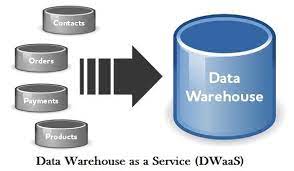
The Data Warehouse As A Service market research report provides the latest industry data, growth, key segments and future trends on the basis of the detailed study.
This market report also allows you to identify the future opportunity and growth rate of the leading segment based on regions and countries.The report also covers detailed competitive landscape including company profiles of key players operating in the global market.
The key players in the data warehouse as a service market includes Amazon Web Services, Inc., Cloudera, Inc., Google LLC, Hortonworks, Inc., IBM Corporation, Micro Focus International plc,, Microsoft Corporation, Oracle Corporation, Pivotal Software, Inc., SAP SE, Snowflake Computing Inc., Teradata Corporation and Yellow Brick, INC. An in-depth view of the competitive outlook includes future capacities, key mergers & acquisitions, financial overview, partnerships, collaborations, new product launches, new product developments and other developments with information in terms of H.Q.Get more information on "Global Data Warehouse As A Service Market Research Report" by requesting FREE Sample Copy at https://www.valuemarketresearch.com/contact/data-warehouse-as-a-service-market/download-sampleMarket DynamicsThe rapidly increasing data volume across various digitalized industries is driving market growth.
On the other hand, very slow adoption of cloud from extract, transform and load tools may restrict the market growth.
Whereas, undergoing rapid digitalization and industrialization in emerging economies is expected to create potential opportunity over the forecast period.This detailed market study is centered on the data obtained from multiple sources and is analyzed using numerous tools including porter’s five forces analysis, market attractiveness analysis and value chain analysis.
These tools are employed to gain insights of the potential value of the market facilitating the business strategists with the latest growth opportunities.