


Spray foam insulation has been hailed as a revolutionary way to improve energy efficiency in homes and buildings. It provides exceptional thermal resistance and air sealing properties, making it a popular choice for homeowners and contractors alike. However, there may come a time when you need to remove spray foam insulation, whether for renovation, repairs, or other reasons. In this blog, we’ll explore the process of spray foam insulation removal, why it’s necessary, and the methods involved.
Why Remove Spray Foam Insulation?
Before delving into the removal process, it’s essential to understand why you might need to remove spray foam insulation in the first place. There are several reasons for this:
- Renovation and Remodeling: If you’re renovating your home or making structural changes, you may need to remove the existing spray foam insulation to access wall cavities or other areas.
- Moisture and Mold Issues: In cases where moisture or mold problems arise behind the insulation, it may be necessary to remove it to address the underlying issues.
- Damaged Insulation: Sometimes, insulation can become damaged due to pests, construction mishaps, or other factors, necessitating removal and replacement.
- Upgrading or Replacing Insulation: You might want to replace spray foam insulation with a different type or a newer, more efficient formulation.
Methods for Spray Foam Insulation Removal
- Mechanical Removal: Mechanical removal involves physically scraping, cutting, or grinding away the foam insulation. This method is suitable for small areas or situations where you need to access the structure behind the insulation. It can be labor-intensive and may require protective gear to ensure safety.
- Thermal Removal: Thermal removal uses heat to soften and melt the foam insulation, which can then be scraped away. Specialized equipment, such as heat guns, can be used for this process. It’s essential to take precautions when using heat, as it can create fumes and pose fire hazards.
- Chemical Removal: Chemical removal involves using solvents or chemicals to break down the foam insulation. This method is typically reserved for specific cases where other removal methods are impractical. It should be performed by professionals due to the potential hazards associated with chemical use.
Safety Considerations
Removing spray foam insulation can be a challenging and potentially hazardous task, so safety should be a top priority:
Protective Gear: When undertaking removal, wear appropriate protective gear, including goggles, gloves, respirators, and coveralls.
Ventilation: Ensure proper ventilation in the removal area to disperse any fumes or particles that may be generated during the process.
Professional Help: It’s often advisable to hire professionals who are experienced in spray foam insulation removal, particularly when dealing with large areas or challenging situations.
Waste Disposal: Properly dispose of the removed insulation, following local regulations and guidelines.
Conclusion
Spray foam insulation removal is a task that may become necessary for various reasons, such as renovation, damage repair, or insulation upgrades. The method you choose will depend on the specific situation and the extent of the insulation that needs to be removed. Always prioritize safety and consider seeking professional help when dealing with spray foam insulation removal, especially in complex scenarios. By following the appropriate precautions and methods, you can ensure a successful and safe removal process.
#SprayFoamRemoval #SprayFoamInsulationRemoval

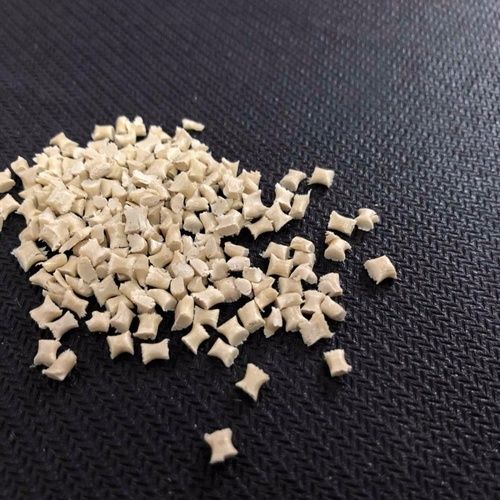
The research report includes specific segments by region (country), by company, by Type and by Application.
This study provides information about the sales and revenue during the historic and forecasted period of 2015 to 2026.
Understanding the segments helps in identifying the importance of different factors that aid the market growth.Download FREE Sample of this Report @ https://www.24chemicalresearch.com/download-sample/61560/global-liquid-crystal-polymer-resins-2020-785Segment by Type, the Liquid Crystal Polymer Resins market is segmented into:HDT Above 300HDT Between 240 and 300HDT Between 200 and 240HDT Below 200Segment by Application:Automotive FieldElectronic FieldMedical DevicesAerospaceOtherGlobal Liquid Crystal Polymer Resins Market: Regional AnalysisThe Liquid Crystal Polymer Resins market is analysed and market size information is provided by regions (countries).
The report includes country-wise and region-wise market size for the period 2015-2026.
It also includes market size and forecast by Type and by Application segment in terms of sales and revenue for the period 2015-2026.The key regions covered in the Liquid Crystal Polymer Resins market report are:North AmericaU.S.CanadaEuropeGermanyFranceU.K.ItalyRussiaAsia-PacificChinaJapanSouth KoreaIndiaAustraliaTaiwanIndonesiaThailandMalaysiaPhilippinesVietnamLatin AmericaMexicoBrazilArgentinaMiddle East & AfricaTurkeySaudi ArabiaU.A.EGlobal Liquid Crystal Polymer Resins Market: Competitive AnalysisThis section of the report identifies various key manufacturers of the market.
It helps the reader understand the strategies and collaborations that players are focusing on combat competition in the market.

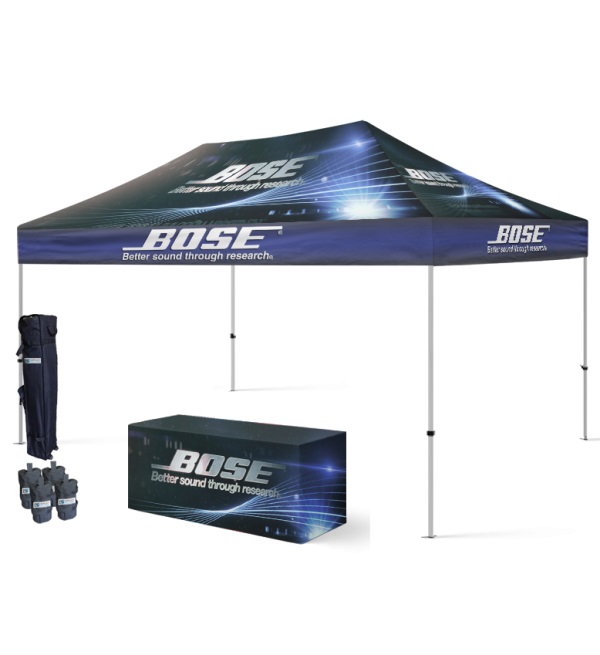
We offer a wide range of custom printed 10x15 canopy , pop-up tents, canopy inflatable tents and outdoor enclosures for all types of events and trade shows.For more details visit our online store - https://www.tentdepot.ca/ Available sizes: 1 .10x10 - Custom tents 10x15 - Custom pop up tents 10x20 - Custom Printed Canopy Categories Available : 1.Tent Accessories 2.Umbrellas 3.Star Tents 4.Inflatable Tents 5.Logo Tents Tent Features : 1.Available Sizes 10x10, 10x15, 10x20 Tents.2.High Quality Dye Sublimation Printing on a 600D Polyester Material3.Water Resistant UV Coated & Fire retardant, 5 Year Warranty Contact Us : Tent Depot Address : 30 Pennsylvania Avenue, Unit #5, Vaughan, Ontario, L4K 4A5, Canada Call : 1-877-409-0265 Mail Id: sales@tentdepot.ca Website:https://www.tentdepot.ca/