

The dominance of Android in the mobile OS market is undeniable, with an 85% market share and a staggering 3.04 million applications available on the Google Play Store. This vast ecosystem encompasses a wide range of applications, from everyday utilities like calendars and web browsers to social media platforms, complex games, and enterprise mobile solutions.
When it comes to mobile app development, the spotlight invariably falls on the Android operating system with iTechnolabs. Android apps are celebrated for their user-friendly interfaces, and they are poised to lead the app industry in the years to come. With the ever-increasing demand for products and services, the landscape of Android app development is continuously evolving, driven by the latest trends and technologies.
In this dynamic environment, staying ahead of the curve is essential. To remain competitive, understanding the forthcoming Android app development trends is paramount. Let's delve into the most current Android app development trends set to reshape business models in 2023:
- Android Instant Apps: While not entirely new, Android Instant Apps are gaining popularity. These apps enable users to try out games and applications without the need for installation. They provide quick and direct access to web content without consuming device storage. Android Instant Apps are particularly beneficial for eCommerce businesses and gaming, offering full access to Android applications without downloads, exceptional UI/UX design, and compatibility across all Android devices.
- Blockchain Technology: Blockchain technology is emerging as a solution for decentralized app development. It enhances transparency, eliminates unauthorized access, and employs robust security protocols. Its applications extend to financial sectors, such as banks and currency exchanges, with a significant global presence in blockchain technology.
- Machine Learning and Artificial Intelligence (AI): The advent of cloud computing has democratized AI development, making it accessible for automating various tasks, including image recognition, natural language processing, and data analytics. The versatility of AI solutions, while powerful, also poses significant computational demands. Modern AI models can be effectively deployed on smart devices without overwhelming their processors, offering the potential to enhance productivity by up to 40%, as noted by Accenture.
- Multiplatform Development (Flutter): Flutter, a new technology from Google, represents the future of Android app development. It facilitates native interface app development for both iOS and Android platforms, garnering attention for its versatility and ease of use. Notable applications developed with Flutter, including Reflectly, Alibaba, and Google Ads, showcase its capabilities and appeal.
- Chatbots/Google Assistant: In 2023, integrating services and content with Google Assistant will pique the interest of entrepreneurs and business owners. This integration offers users expedited access to app functions directly through the Assistant, with features like App Actions and Android Slices enriching the experience. The growing user base of Google Assistant positions mobile app integration as a primary objective for development teams.
- Application Performance Management (APM) and Enterprise Mobile Management (EMM): These technologies address the need for improved mobile app performance and productivity. APM and EMM not only enhance security but also enable efficient data exchange on mobile devices, making them indispensable in enterprise mobile app development.
- Beacon Technology: Beacon technology is increasingly employed by businesses to target potential customers uniquely. Beacons, devices that interact with accessible mobile devices, allow companies to send notifications about nearby hotels, special offers, and more. The integration of beacon technology into Android apps is gaining traction, particularly in sectors like retail and dining.
- 5G Technology: The advent of 5G technology heralds unparalleled speed and data transmission capabilities, surpassing the powers of 4G networks. With a high radio frequency and rates of up to 100 GBPS, 5G is set to transform the mobile app development landscape, enabling feature-rich apps to enhance business performance.
- Internet of Things (IoT) Integration: As smartphones become central to daily life and the control hubs for smart gadgets, the demand for IoT-connected devices continues to grow. Cost-effectiveness is a driving force behind the proliferation of smart gadgets, with an estimated 75.44 billion connected devices globally by 2025.
- Android Jetpack: Android Jetpack is a comprehensive suite of tools, guidelines, and libraries designed to simplify Android app development. It streamlines development tasks across UI, behavior, architecture, and foundation elements, offering a resourceful solution for android app developers.
These trends reflect the Android operating system's unceasing evolution towards providing seamless and client-centric experiences. Whether you're considering building an Android app development services or seeking to stay competitive in the ever-changing mobile app development industry, understanding these trends will be instrumental in achieving your goals.

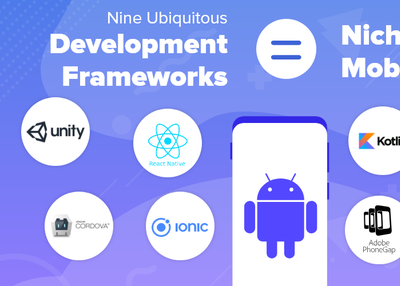
As a result, the Google Play Store is surging with apps across various genres.
In recent years, feature-rich Android apps have emerged as a powerful tool to connect with customers and stakeholders.
> Build a loyal customer base
> Improved efficiency and enhanced customer support
Let’s have a glimpse of Android app development process.
Android Studio is an IDE (Integrated Development Environment) with necessary packages named as Android SDK.