When it comes to plumbing, construction, or any application that involves the conveyance of fluids or gases, the choice of pipes is crucial. Two common options that often come into consideration are GI (Galvanized Iron) pipes and GP (Galvanized Plain) pipes. These pipes may seem similar at first glance, but they have distinct differences that can significantly impact the success of a project. In this blog, we will explore the disparities between GI pipes and GP pipes, helping you make informed decisions for your specific needs.
GI Pipes: Galvanized Iron Pipes
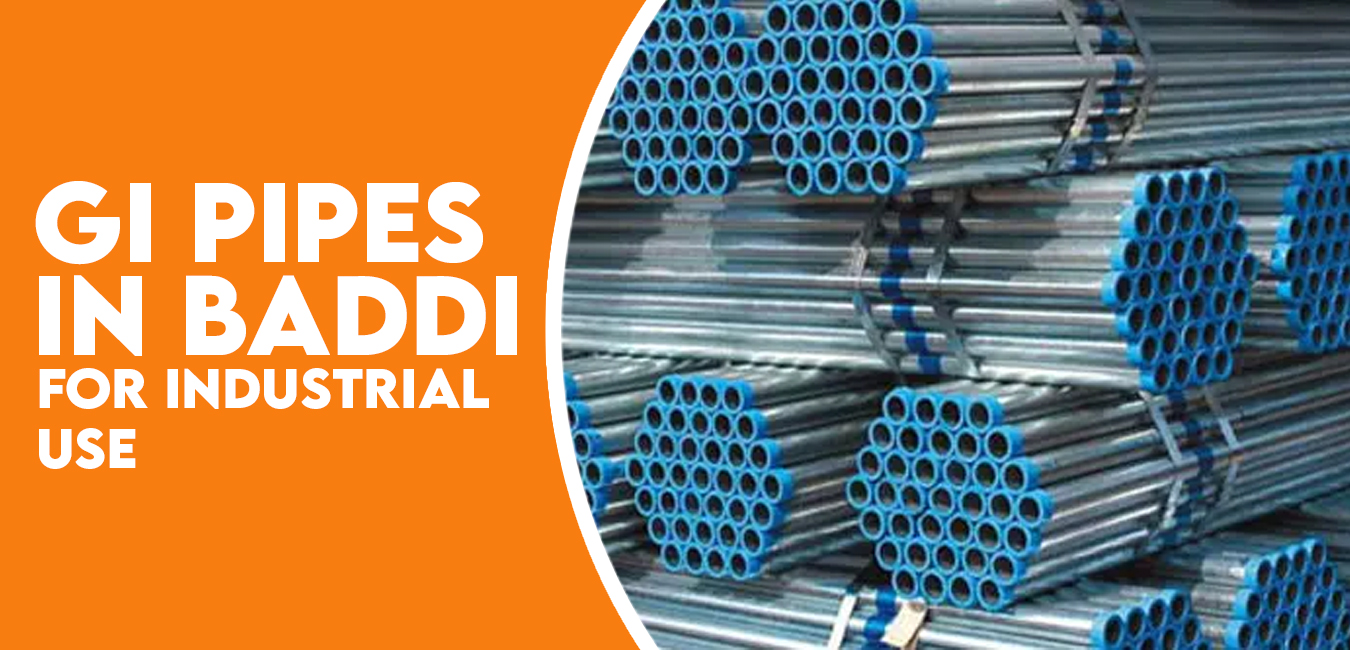
GI pipes are steel pipes that are coated with a layer of zinc through a process called galvanization. This coating provides several benefits, including corrosion resistance, which makes GI pipes highly suitable for various applications. Here are some key features and advantages of GI pipes:
- Corrosion Resistance: The zinc coating on GI pipes acts as a protective barrier, preventing rust and corrosion. This makes GI pipes ideal for outdoor and plumbing applications where they may come into contact with moisture.
- Longevity: Due to their corrosion resistance, GI pipes tend to have a longer lifespan, reducing the need for frequent replacements and maintenance.
- Strength and Durability: GI pipes are strong and durable, capable of withstanding high pressures and mechanical stress, making them suitable for both structural and non-structural applications.
- Versatility: GI pipes come in various sizes and thicknesses, making them adaptable to a wide range of applications, from water supply to fencing and construction.
- Low Maintenance: With minimal susceptibility to damage or wear, GI pipes require little maintenance.
GP Pipes: Galvanized Plain Pipes
GP pipes, on the other hand, are also galvanized steel pipes, but they have a plain (non-threaded) surface. The primary difference between GI and GP pipes is in the surface finish. Here are some key characteristics and uses of GP pipes:
- Surface Finish: GP pipes have a plain finish without threading, which makes them suitable for applications where threading is not required, such as general structural work or creating frameworks.
- Corrosion Resistance: Like GI pipes, GP pipes have excellent corrosion resistance due to their zinc coating. They are well-suited for outdoor and industrial applications.
- Cost-Effective: GP pipes are often more cost-effective than GI pipes, making them a preferred choice when threading is not a necessity.
- Structural Applications: GP pipes are commonly used in structural applications where their plain surface provides a clean and smooth appearance.
Choosing the Right Pipe
The choice between GI and GP pipes largely depends on the specific requirements of your project. If you need pipes for plumbing or applications where corrosion resistance and threading are necessary, GI pipes are a suitable choice. However, if you're looking for cost-effective structural components with a plain finish, GP pipes can be the better option.
It's important to consult with professionals or engineers who can help you determine the most appropriate type of pipe for your needs, considering factors such as the environment, budget, and the intended application.
Conclusion
GI pipes and GP pipes, despite their similarities, serve distinct purposes in various industries. Understanding their differences and advantages is crucial to ensure the success and longevity of your projects. By making an informed choice between these galvanized pipes, you can optimize your investment and achieve the desired results for your specific applications.