





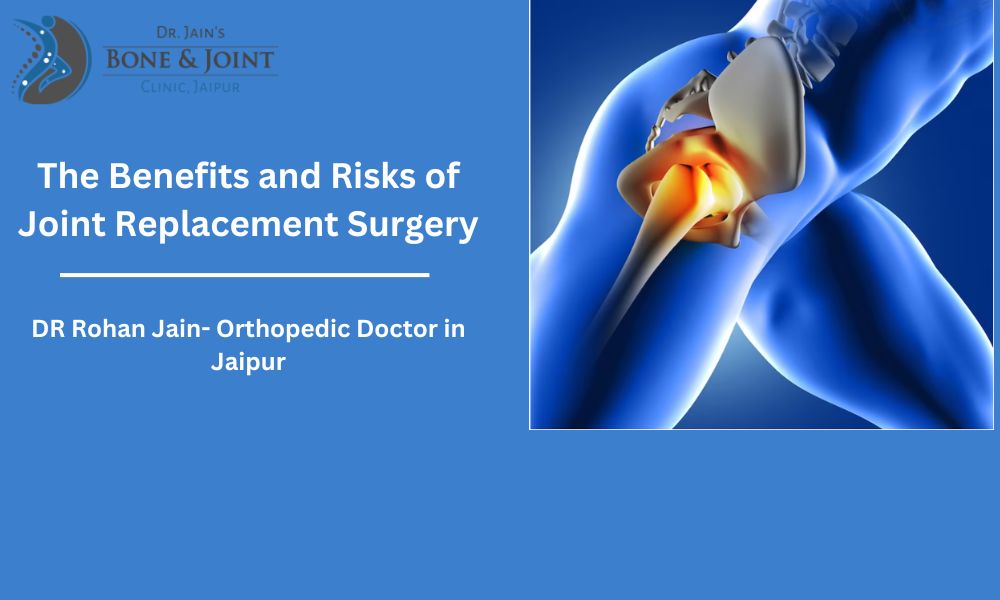
Benefits of Joint Replacement Surgery
Joint replacement surgery, also known as arthroplasty, is a medical procedure that involves replacing a damaged or malfunctioning joint with a prosthetic implant. This surgical intervention has become increasingly popular over the years, providing significant benefits for patients suffering from chronic joint pain or limited mobility. Here, we will explore some of the key advantages of joint replacement surgery.
Relief from Pain: One of the most significant benefits of joint replacement surgery is the relief from chronic pain. Individuals with conditions such as osteoarthritis, rheumatoid arthritis, or joint degeneration often experience persistent pain that limits their day-to-day activities. By replacing the damaged joint, patients can experience a significant reduction in pain and regain their mobility.
Improved Mobility: Joint replacement surgery can substantially improve joint function and mobility. It enables individuals who had been struggling with limited movement to resume their regular activities, such as walking, exercising, and even playing sports. This enhanced mobility not only promotes a more active lifestyle but also contributes to overall physical and mental well-being.
Enhanced Quality of Life: Joint pain can have a profound impact on an individual's quality of life, ranging from difficulty performing routine tasks to decreased social interactions. By addressing the underlying cause of the pain through joint replacement surgery, patients can experience a significant improvement in their overall quality of life. They can engage in activities they once enjoyed and regain their independence.
Long-Term Durability: Prosthetic joints used in replacement surgeries are designed to be durable and long-lasting. While the lifespan of the implant varies depending on factors such as the patient's age, activity level, and overall health, most joint replacements can last for several decades. This longevity allows patients to lead a more active lifestyle without the fear of the implant wearing out prematurely.
Improved Functionality: Joint replacement surgery not only relieves pain but also improves joint functionality. For individuals with severe joint damage or deformities, joint replacement can restore the normal alignment and range of motion. This restoration of functionality enables patients to perform everyday tasks more easily and reduces the need for assistive devices, such as canes or walkers.
Joint Replacement Side Effects
While joint replacement surgery offers numerous benefits, it is also essential to consider the potential side effects and risks associated with the procedure. Understanding these risks can help patients make informed decisions regarding their treatment options. Here are some common side effects and risks linked to joint replacement surgery:
Infection: Infection is a potential complication of any surgical procedure, including joint replacement surgery. Although the risk of infection is generally low, it is crucial for patients to follow post-operative care instructions carefully and maintain proper hygiene to minimize the risk.
Blood Clots: Joint replacement surgery can increase the risk of blood clots, particularly in the legs. These blood clots, also known as deep vein thrombosis (DVT), can be potentially dangerous if they travel to other parts of the body, such as the lungs. To prevent this, doctors may prescribe blood thinners and encourage early mobilization after surgery.
Implant Dislocation: In some cases, the prosthetic joint may become dislocated after surgery. This occurs when the artificial joint moves out of its usual position. Patients are typically advised to follow specific movement restrictions and precautions to reduce the risk of implant dislocation.
Implant Wear and Loosening: Over time, the prosthetic joint may wear out or become loose, especially with excessive use or in younger patients. This may require additional revision surgeries to replace or repair the implant. However, advancements in implant technology and surgical techniques have significantly reduced the occurrence of implant wear and loosening.
Nerve or Blood Vessel Damage: During joint replacement surgery, there is a small risk of damaging nearby nerves or blood vessels. Although rare, such injuries can lead to numbness, tingling, or even loss of function. Experienced surgeons take necessary precautions to minimize the risk of these complications.
Critical Analysis of Joint Replacement
While joint replacement surgery has proven to be highly beneficial for many individuals, it is essential to critically analyze its appropriateness and suitability case by case. Factors such as the patient's overall health, age, severity of joint damage, and lifestyle must be thoroughly evaluated before deciding on joint replacement as a treatment option. Additionally, ongoing scientific research aims to further improve existing techniques and develop alternative approaches that offer better outcomes for patients. Here are some key points to consider in a critical analysis of joint replacement:
1. Patient Selection: Accurate patient selection is crucial to maximize the benefits of joint replacement surgery. Surgeons carefully assess factors such as age, overall health, weight, activity level, and expectations to determine if the potential benefits outweigh the risks.
2. Pre-Operative Evaluation: Thorough pre-operative evaluations, including imaging tests, physical examinations, and medical history assessments, help identify any potential risk factors that may impact the success of the surgery. These evaluations ensure that patients are adequately prepared and can minimize the occurrence of complications.
3. Choice of Implant: The choice of prosthetic implant plays a significant role in determining the success and longevity of joint replacement surgery. Advances in implant design, materials, and fixation techniques have led to more durable and functional prostheses. Surgeons consider factors such as implant compatibility, longevity, stability, and the patient's individual needs when selecting the most appropriate implant.
4. Rehabilitation and Post-Operative Care: Successful joint replacement outcomes rely heavily on a comprehensive rehabilitation program following surgery. Physical therapy, exercises, and adherence to post-operative care instructions are crucial for regaining strength, mobility, and reducing the risk of complications.
5. Alternative Treatment Options: Joint replacement surgery is not the only treatment option available for individuals with joint pain or limited mobility. Non-surgical interventions, such as medications, injections, physical therapy, and lifestyle modifications, may be recommended as initial treatment approaches or for patients who are not suitable candidates for surgery.
In conclusion, joint replacement surgery offers significant benefits, including pain relief, improved mobility, enhanced quality of life, long-term durability, and improved functionality. While there are potential risks and side effects associated with the procedure, a critical analysis considers individual patient factors, appropriate pre-operative evaluations, careful implant selection, and comprehensive rehabilitation programs. This analysis ensures that patients are well-informed and can make the best decisions regarding their joint health and overall well-being. Dr. Rohan Jain is a prominent joint replacement surgeon in Jaipur, India. With a wealth of experience in the field of orthopedic surgery, he has earned a stellar reputation for his expertise and patient-centered approach.


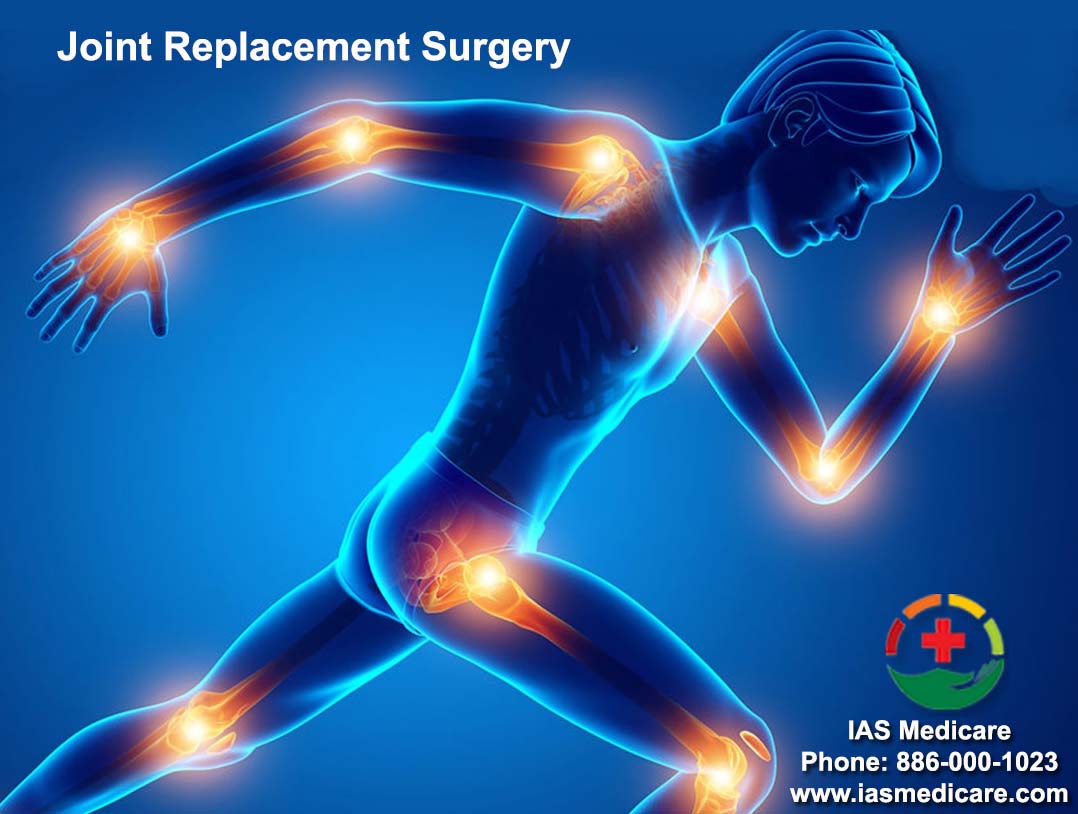


Orthocare hospital offers the best joint replacement surgery in India.
We have a team of experienced doctors and Orthopedic Surgeons, aim to eliminate any kind of discomfort or pain from your unhealthy joint to improve your mobility.
For more info visit: https://bestorthopediccenter.com/treatment/joint-replacement-surgery/