Types of multithreading in Java
Java is a popular programming language used extensively in the IT industry. One of the key features of Java is its ability to support multithreading, which allows programs to execute multiple tasks concurrently. This article will explore the different types of multithreading in Java and provide best practices for efficient concurrent programming.
Concurrent programming in Java
Concurrent programming is the concept of executing multiple tasks concurrently to improve the overall performance and efficiency of a program. In Java, concurrent programming is achieved through the use of threads. A thread is a lightweight unit of execution that can run concurrently with other threads within a program.
Java provides several mechanisms to implement multithreading:
1. Extending the Thread class
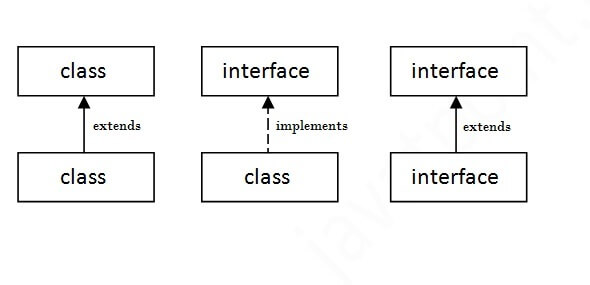
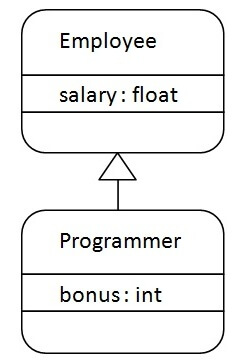
One way to create a thread in Java is by extending the Thread class. This approach involves creating a subclass of the Thread class and overriding its run() method. The run() method contains the code that will be executed concurrently by the thread. Once the subclass is created, an instance of it can be created and started by invoking the start() method.
2. Implementing the Runnable interface
Another way to create threads in Java is by implementing the Runnable interface. This approach involves creating a class that implements the Runnable interface and defines a run() method. The run() method contains the code that will be executed concurrently by the thread. Once the class is created, an instance of it can be passed as an argument to the constructor of the Thread class. The thread can then be started by invoking the start() method.
3. Using the Callable and Future interfaces
Java also provides the Callable and Future interfaces for multithreading. The Callable interface is similar to the Runnable interface, but it returns a result and can throw an exception. The Future interface represents the result of a computation performed by a Callable and provides methods to retrieve the result. This approach allows for more control over the execution and retrieval of results from concurrent tasks.
Java multithreading basics
Before diving into the best practices for efficient concurrent programming, it is important to understand some basics of Java multithreading.
1. Thread states
Threads in Java can be in different states throughout their lifecycle. The key thread states are:
- New: The thread has been created but has not yet been started.
- Runnable: The thread is executing or is ready to execute.
- Blocked: The thread is blocked and waiting for a monitor lock to be released.
- Waiting: The thread is waiting indefinitely for another thread to perform a specific action.
- Timed Waiting: The thread is waiting for a specific amount of time.
- Terminated: The thread has completed its execution.
2. Thread synchronization
When multiple threads access shared resources simultaneously, thread synchronization is necessary to prevent data inconsistencies and race conditions. Java provides several mechanisms for thread synchronization, including:
- Synchronized methods: By using the
synchronizedkeyword, a method can be synchronized, ensuring that only one thread can execute it at a time. - Synchronized blocks: By using the
synchronizedkeyword on a block of code, we can control access to critical sections of code, allowing only one thread to execute it at a time. - Lock objects: Java provides the
Lockinterface and its implementations, such asReentrantLock, which allow for more fine-grained control over thread synchronization.
3. Thread communication
In multithreaded applications, threads often need to communicate with each other to coordinate their actions. Java provides several mechanisms for thread communication, including:
- Wait and Notify: The
Objectclass provides thewait()andnotify()methods, which allow threads to wait for a condition and notify other waiting threads when the condition is met. - Blocking queues: Java provides the
BlockingQueueinterface and its implementations, such asArrayBlockingQueueandLinkedBlockingQueue, which allow for thread-safe communication and synchronization. - CountDownLatch: The
CountDownLatchclass provides a synchronization aid that allows one or more threads to wait until a set of operations being performed in other threads are completed. - CyclicBarrier: The
CyclicBarrierclass allows a set of threads to wait for each other to reach a common barrier point, enabling synchronization at a certain point in program execution.
Best practices for efficient concurrent programming in Java
Efficient concurrent programming requires careful design and implementation. Here are some best practices to follow when developing multithreaded applications in Java:
1. Identify opportunities for parallelism
Before introducing multithreading into your application, analyze the problem and identify parts of the code that can be executed concurrently. Look for independent tasks that can be executed in parallel to improve performance.
2. Minimize shared mutable state
Shared mutable state can lead to data inconsistencies and race conditions in multithreaded applications. Minimize the use of shared mutable state by using immutable objects or thread-safe data structures whenever possible. If shared mutable state is necessary, properly synchronize access to it using synchronization mechanisms.
3. Use thread-safe data structures and libraries
Java provides thread-safe data structures and libraries that can simplify concurrent programming. Utilize these thread-safe alternatives to avoid the complexity of manual synchronization.
4. Avoid unnecessary thread creation
Creating and managing threads can have overhead. Avoid creating excessive threads, especially for short-lived tasks. Instead, consider using thread pools or executor frameworks to manage and reuse threads.
5. Optimize thread synchronization
Ensure that thread synchronization is used appropriately and only where necessary. Excessive synchronization can introduce unnecessary overhead and potential performance bottlenecks. Use synchronization mechanisms judiciously and fine-tune them for optimal performance.
6. Handle exceptions properly
Proper exception handling is crucial in multithreaded applications. Threads should be designed to handle exceptions gracefully and avoid leaving the application in an inconsistent or undefined state.
7. Test and debug thoroughly
Multithreaded applications can be challenging to test and debug due to their non-deterministic nature. Write thorough unit tests and perform extensive testing to identify and fix concurrency issues. Use debugging tools and techniques to track and resolve issues in multithreaded code.
8. Keep threads responsive
Avoid long-running operations or blocking operations in the main thread. Long-running operations can make the application unresponsive and degrade user experience. Move time-consuming or blocking operations to background threads to keep the main thread responsive.
By following these best practices, you can develop efficient and robust multithreaded applications in Java.