


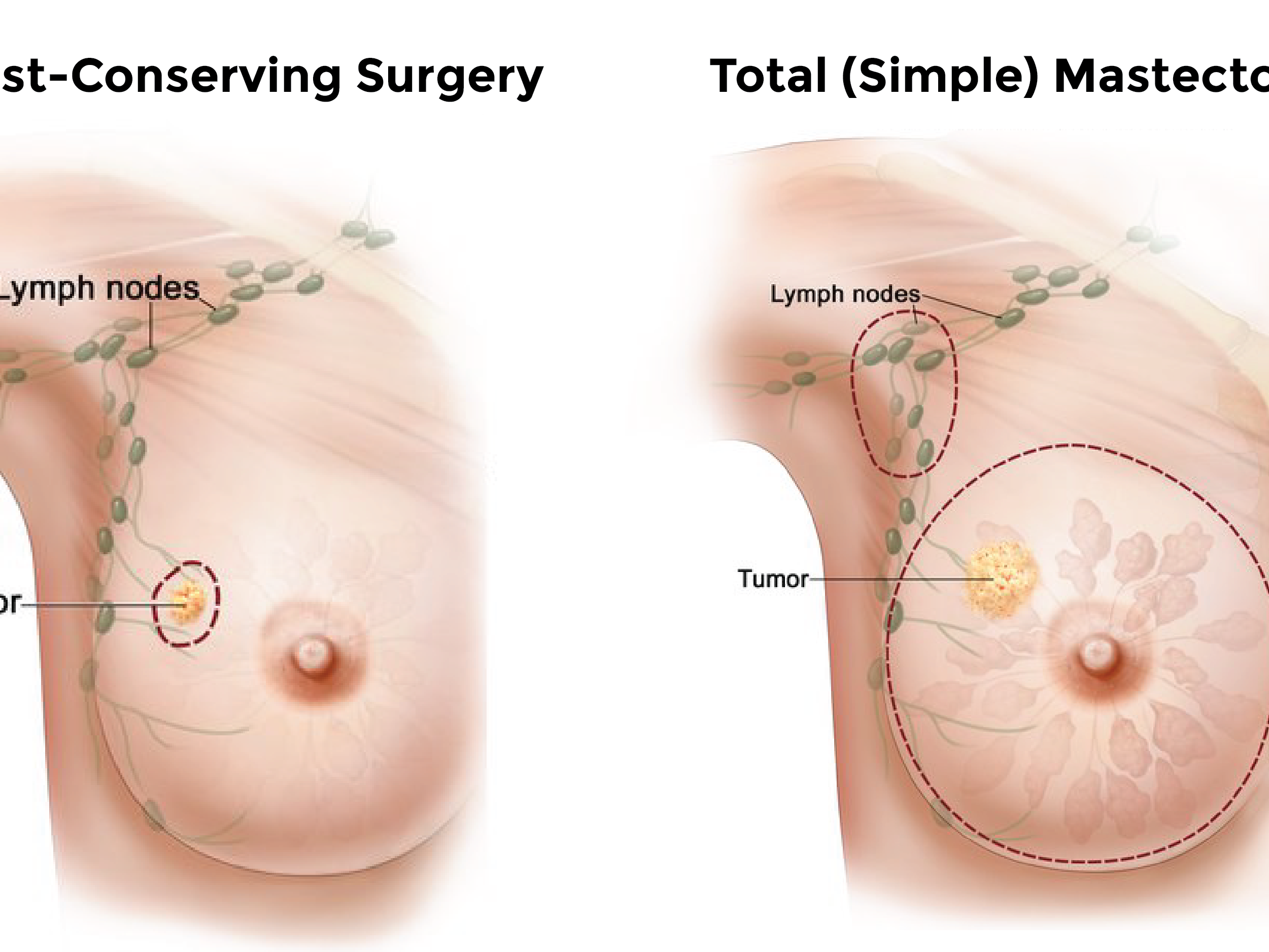
In the realm of cancer treatment, a transformative approach is gaining prominence – targeted therapy. This article explores the concept of targeted therapy for cancer at large, delving into its principles and applications. Within this context, we zoom in on the specific advancements and nuances of targeted therapy for breast cancer.
Understanding Targeted Therapy for Cancer:
Targeted therapy for cancer is a revolutionary treatment paradigm that aims to interfere with specific molecules involved in the growth, progression, and spread of cancer cells. Unlike traditional treatments such as chemotherapy, which broadly attack rapidly dividing cells, targeted therapy hones in on the unique features of cancer cells, minimizing damage to healthy tissues.
The Principles of Targeted Therapy:
Identifying Targets:
- Targeted therapy relies on identifying specific molecules or pathways that play a crucial role in cancer development. These targets can be proteins, genes, or other factors essential for the survival and growth of cancer cells.
Precision Medicine:
- The term "precision medicine" is often used synonymously with targeted therapy. It emphasizes the customization of treatment based on the unique genetic makeup of an individual's cancer, allowing for more precise and effective interventions.
Reduced Side Effects:
- One of the key advantages of targeted therapy is its potential to reduce side effects compared to traditional treatments. By selectively targeting cancer cells, these therapies aim to spare healthy cells, minimizing the adverse effects often associated with chemotherapy.
Targeted Therapy for Breast Cancer:
Breast cancer, a prevalent form of cancer affecting millions of individuals globally, has witnessed significant advancements in targeted therapy. Researchers have identified specific molecular targets associated with breast cancer, leading to the development of tailored therapeutic approaches.
HER2-Positive Breast Cancer:
- A notable success story in targeted therapy for breast cancer is the treatment of HER2-positive breast cancer. HER2, or human epidermal growth factor receptor 2, is a protein that promotes the growth of cancer cells. Targeted therapies such as trastuzumab (Herceptin) have been instrumental in improving outcomes for individuals with HER2-positive breast cancer.
Hormone Receptor-Positive Breast Cancer:
- Another common subtype of breast cancer, hormone receptor-positive breast cancer, is characterized by the presence of hormone receptors (estrogen or progesterone receptors) on the surface of cancer cells. Targeted therapies like tamoxifen and aromatase inhibitors aim to block these receptors, disrupting the signals that drive cancer cell growth.
CDK4/6 Inhibitors:
- Cyclin-dependent kinase 4/6 (CDK4/6) inhibitors represent a newer class of targeted therapy for hormone receptor-positive, HER2-negative breast cancer. Drugs like palbociclib, ribociclib, and abemaciclib work by inhibiting proteins that promote cell cycle progression, thereby slowing the growth of cancer cells.
The Future of Targeted Therapy in Breast Cancer:
Ongoing research in the field of targeted therapy for breast cancer continues to uncover new molecular targets and refine existing treatment approaches. Combination therapies, utilizing multiple targeted agents or combining targeted therapy with other modalities, are being explored to enhance treatment efficacy.
Challenges and Considerations:
While targeted therapy has shown remarkable success, challenges persist. Resistance to targeted agents, identifying the most effective combinations of therapies, and addressing potential side effects remain areas of active investigation.
Conclusion: A New Era in Cancer Treatment:
Targeted therapy heralds a new era in cancer treatment, offering hope for more effective and less toxic interventions. In the case of breast cancer, the strides made in targeting specific molecular features have translated into improved outcomes and quality of life for patients.
As research advances, the landscape of targeted therapy for cancer, including breast cancer, will likely continue to evolve. The quest for precision in treatment approaches reflects a commitment to providing tailored, effective therapies that not only combat cancer but also enhance the overall well-being of those undergoing treatment. In the pursuit of conquering cancer, targeted therapy stands as a beacon of progress and a testament to the power of precision medicine.

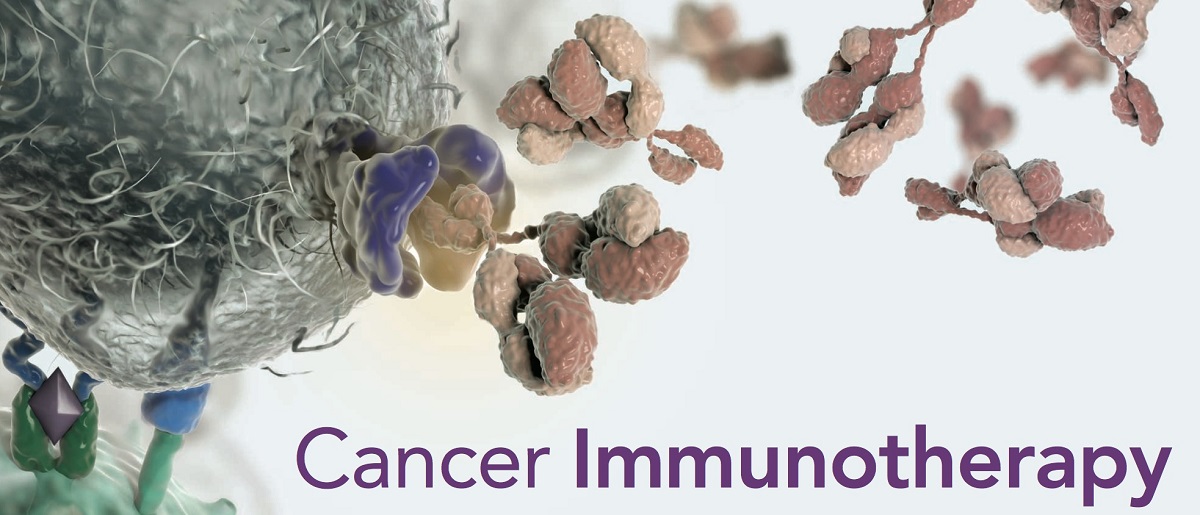
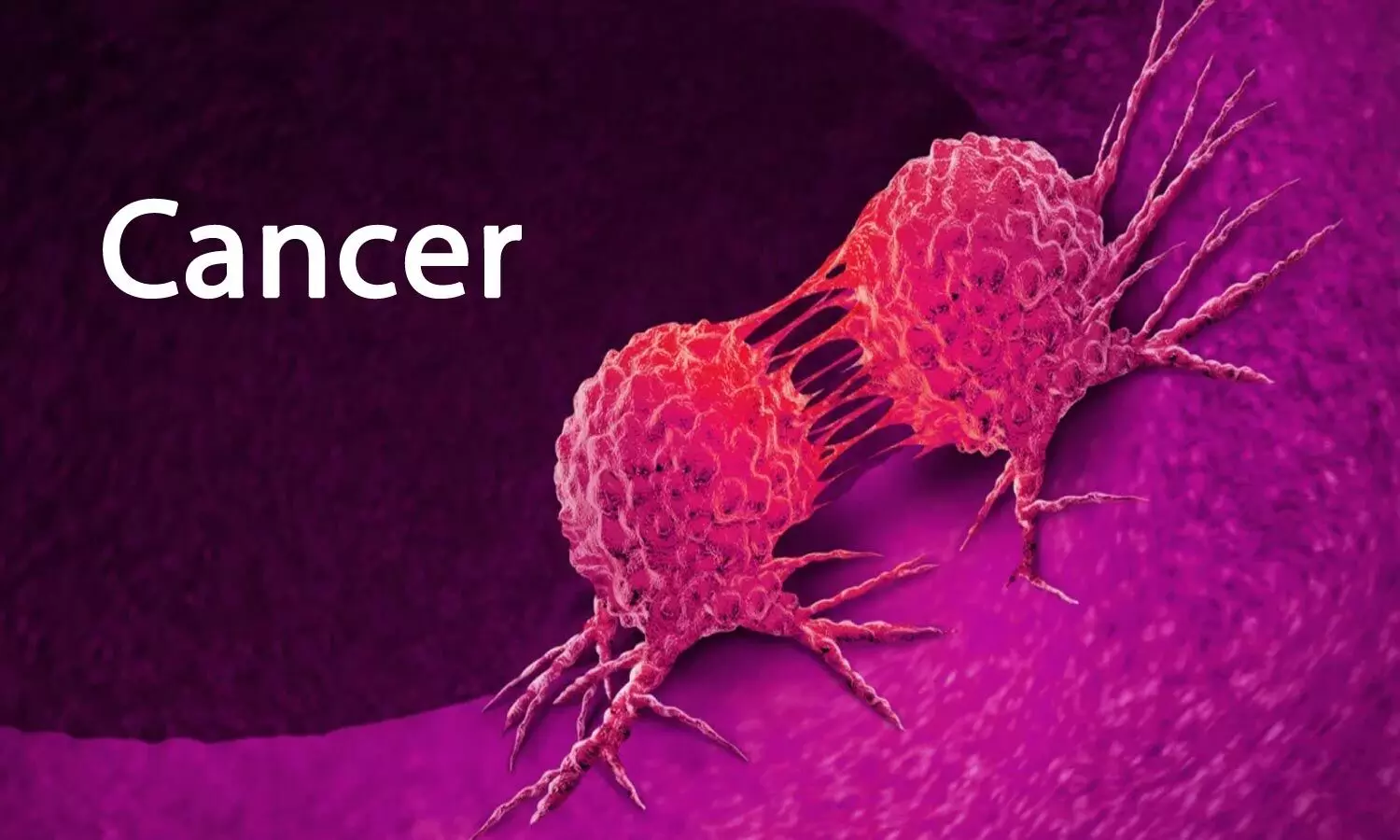

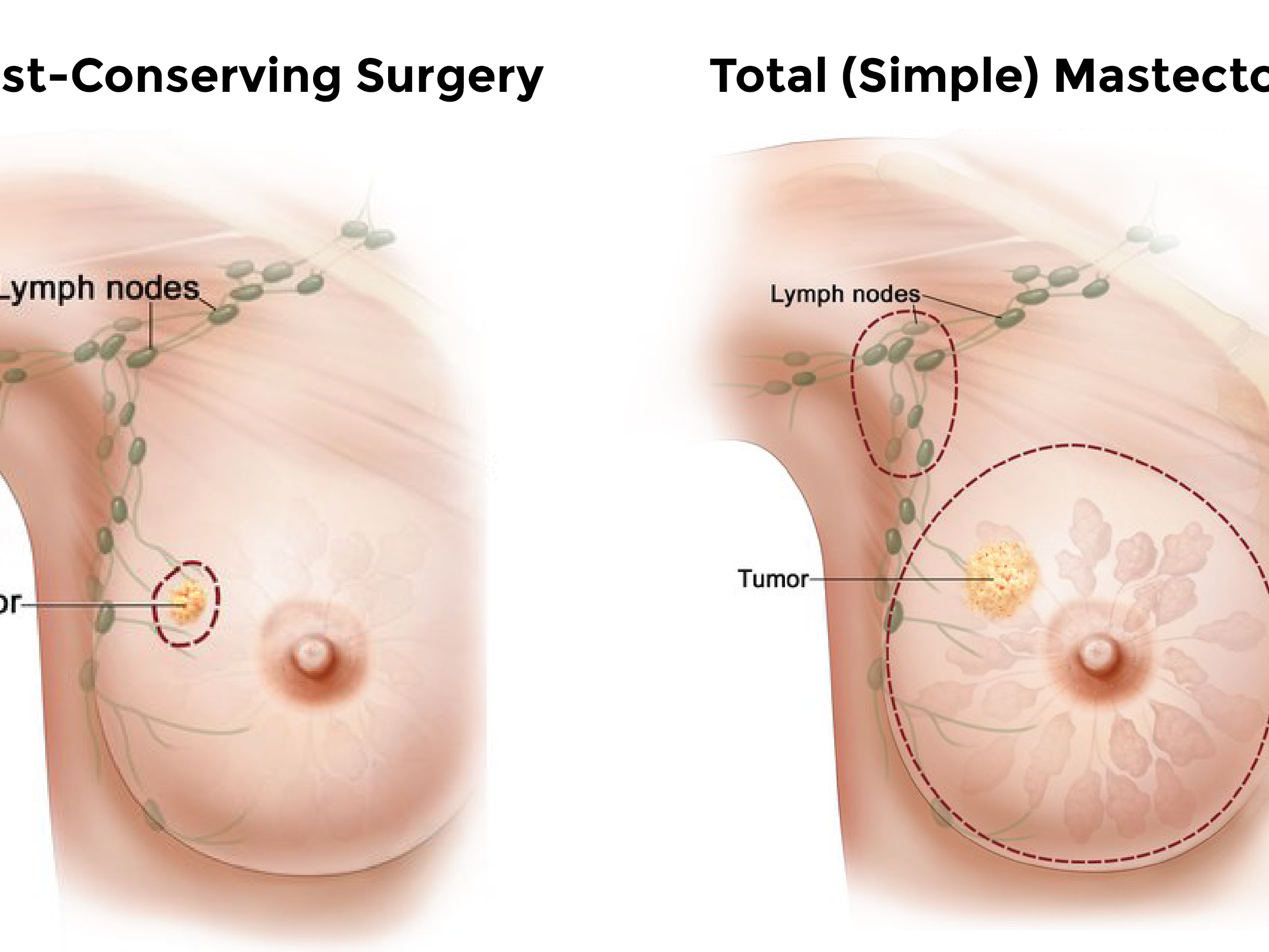
The abnormal growth of cells or the cells start growing without any control is an example of breast cancer early symptoms.
Cancer is some type of group of different diseases which together form tumors in the body these are breast cancer early symptoms.breast cancer early symptoms