





Introduction:
In the ever-evolving landscape of technology, Computer Science stands at the forefront, driving innovation and shaping the digital world. This blog will delve into the core aspects of Computer Science, focusing on essential concepts and applications that form the backbone of this dynamic field. From computer science basics to programming languages, we will unravel the intricate web that makes up this fascinating domain.
Understanding Computer Science Basics:
At its core, Computer Science encompasses a broad spectrum of knowledge. To navigate this vast field, it's essential to start with the fundamentals. Computer science basics include algorithms, data structures, and problem-solving techniques. These foundational elements provide the groundwork for creating efficient and effective software solutions.
Algorithms:
Algorithms are step-by-step procedures or formulas for solving problems. They are the building blocks of computer programs, determining the logical flow and execution of tasks. Understanding algorithms is crucial for efficient problem-solving in Computer Science.
Data Structures:
Just as the foundation is vital for a sturdy building, data structures form the foundation of software. These structures organize and store data, enabling efficient access and manipulation. Common data structures include arrays, linked lists, stacks, and queues.
Problem-Solving Techniques:
Computer scientists are problem solvers by nature. They employ various techniques to analyse, design, and implement solutions to complex problems. Developing a systematic approach to problem-solving is a key skill in Computer Science.
Applications of Computer Science Concepts:
With a solid understanding of computer science basics, we can explore the diverse applications across different domains. Computer Science plays a pivotal role in fields such as artificial intelligence, machine learning, cybersecurity, and more.
Artificial Intelligence (AI):
AI is a branch of Computer Science that focuses on creating intelligent machines capable of learning and making decisions. Machine learning, a subset of AI, involves developing algorithms that enable computers to learn from data and improve their performance over time.
Cybersecurity:
As technology advances, the importance of securing digital systems becomes paramount. Computer Science provides the foundation for developing robust cybersecurity measures, including encryption, authentication, and intrusion detection systems.
Programming Languages:
The Language of Computers: Programming languages serve as the bridge between human thought and machine execution. From the low-level assembly language to high-level languages like Python and Java, each has its unique syntax and use cases.
Low-Level Languages:
Assembly languages and machine code are considered low-level languages. They provide a direct interface with the computer's hardware, offering precise control but requiring intricate knowledge.
High-Level Languages:
Python, Java, C++, and others fall into the category of high-level languages. They are designed to be more user-friendly, with abstraction that simplifies complex tasks. High-level languages are widely used for software development, making coding more accessible to a broader audience.
Conclusion:
Breaking down Computer Science reveals a world of interconnected concepts and applications. From mastering computer science basics to exploring the diverse applications and programming languages, this field is a rich tapestry of innovation and problem-solving. Whether you're a seasoned professional or a newcomer to the world of technology, understanding these fundamental aspects is essential for navigating the ever-expanding landscape of Computer Science.





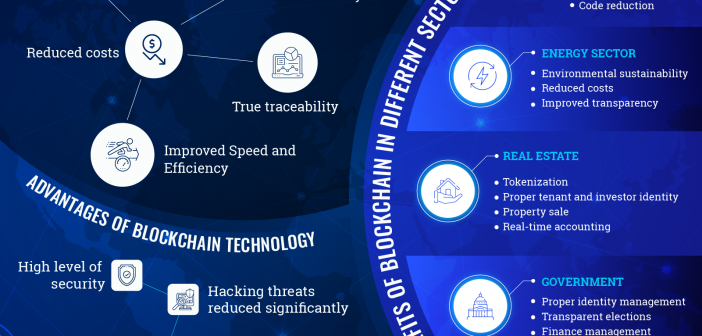
With the advent of bitcoin by Satoshi Nakamoto in 2008, blockchain technology came into the limelight.
But, it is quite easy to understand what blockchain technology is once you break it down.Due to the high demand of blockchain technology and its constant growth, the jobs in this field have a lucrative pay scale.
The database is accessible to all but has heavy encryption that makes the possibility of a data breach extremely low.Another notable feature of this Blockchain technology is that the information, once stored inside the blockchain, cannot be altered.
Moreover, with features like reliability, immutability, privacy, trust, blockchain technology is still gaining immense popularity.
Also, no central authorized companies handle it.How does blockchain work?To know how blockchain works, it is vital to know about the three main concepts – blocks, miners, and nodes.BlocksEach chain has numerous blocks.
It is arbitrarily generated during the creation of a block.Hash – It is a 256-bit number added to nonce.During the creation of the block, the nonce produces the hash.