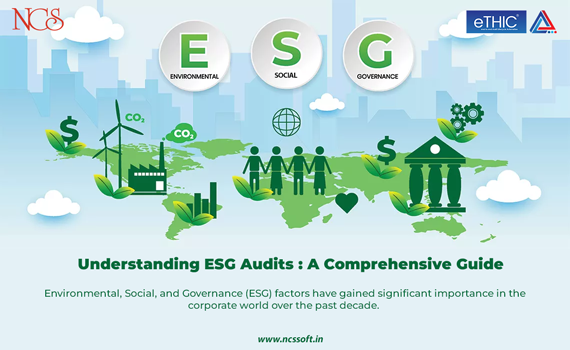
Understanding ESG Audits: A Comprehensive Guide
Environmental, Social, and Governance (ESG) factors have become increasingly important for businesses and investors alike. In today's society, stakeholders are not just concerned about financial performance, they also want to understand how companies are managing their impact on the environment, society, and corporate governance. This is where ESG audits play a crucial role. In this comprehensive guide, we will delve into the world of ESG audits, exploring what they are, why they matter, and how they can benefit your organization.
What is an ESG Audit?
An ESG audit is an assessment of a company's environmental, social, and governance practices. It involves evaluating how well a company is managing and reporting its ESG risks and opportunities. The goal of an ESG audit is to provide transparency and accountability, allowing stakeholders to make informed decisions about a company's sustainability performance. By conducting an ESG audit, companies can identify areas for improvement and demonstrate their commitment to responsible business practices.
Why Are ESG Audits Important?
ESG audits are important for several reasons:
- Meeting Stakeholder Expectations: Stakeholders, including investors, customers, employees, and communities, expect companies to operate in a socially and environmentally responsible manner. By conducting ESG audits, companies can demonstrate their commitment to meeting these expectations and build trust with their stakeholders.
- Identifying Risks and Opportunities: ESG audits help companies identify and assess ESG risks and opportunities. This allows them to proactively manage these risks and seize opportunities to create long-term value.
- Enhancing Business Performance: Companies that effectively manage their ESG risks and opportunities are more likely to achieve long-term success. ESG audits can help identify areas for improvement and drive performance enhancements.
- Attracting and Retaining Investors: Investors are increasingly incorporating ESG factors into their decision-making process. By conducting ESG audits and disclosing the results, companies can attract and retain investors who prioritize sustainability and responsible business practices.
- Complying with Regulations: As ESG issues gain regulatory attention globally, companies may be required to disclose their ESG performance. ESG audits can help companies ensure compliance with relevant regulations and reporting frameworks.
The ESG Audit Process
The ESG audit process typically involves the following steps:
- Planning: Define the scope, objectives, and timelines of the audit. Identify the ESG risks and opportunities that will be assessed.
- Data Collection: Gather relevant data and information. This may include reviewing documents, conducting interviews, and collecting quantitative and qualitative data.
- Assessment: Evaluate the company's ESG performance against relevant standards and frameworks. This may involve comparing the company's practices to industry best practices and benchmarking against peers.
- Reporting: Prepare an ESG audit report that summarizes the findings and recommendations. The report should be clear, concise, and transparent.
- Follow-up: Track and monitor the implementation of recommended actions. Regularly review and update the ESG audit to ensure continuous improvement.
Choosing the Right ESG Audit Provider
When selecting an ESG audit provider, consider the following:
- Reputation and Experience: Choose a provider with a strong reputation and extensive experience in conducting ESG audits. Look for certifications or accreditations that demonstrate their expertise.
- Industry Knowledge: The provider should have a deep understanding of your industry and the specific ESG issues it faces. This will enable them to conduct a comprehensive and meaningful audit.
- Methodology and Tools: Inquire about the provider's audit methodology and tools. Ensure that their approach aligns with recognized standards and frameworks.
- Transparency and Independence: Look for a provider that values transparency and independence. They should be unbiased in their assessments and provide clear and objective recommendations.
- Collaboration and Communication: Choose a provider that emphasizes collaboration and communication. They should work closely with your organization, involving relevant stakeholders throughout the audit process.
Conclusion
ESG audits are a powerful tool for companies to assess and improve their environmental, social, and governance practices. By conducting ESG audits, companies can meet stakeholder expectations, identify risks and opportunities, enhance business performance, attract investors, and comply with regulations. Choosing the right ESG audit provider is crucial for a successful audit process. With the increasing focus on sustainability and responsible business practices, ESG audits have become essential for organizations that aim to thrive in the long term.
If you want to learn more about ESG audits, check out our comprehensive guide at https://ncssoft.in/understanding-esg-audit. #ESG #ESGaudits #sustainability

Summary Yesterday’s business leaders focused on beating quarterly profit targets.
Tomorrow’s successful business leaders will focus on sustainable profits.
Public anger at the lack of action on climate change, corruption, income inequality, tax avoidance, and other social ills makes it harder for CEOs to ignore sustainability.
The reluctance of many CEOs to fully engage with sustainability can be attributed to the age-old view that it will hurt profits.
However, according to GlobalData's research, companies that embrace all three elements of sustainability will outperform their peers.
CEOs that are too slow to improve their company’s approach to sustainability will see an exodus of customers and a drop in profits far sooner than they ever imagined.