


info@fitop.com

0

0

4


Choosing the right fabrics for wholesale yoga pants is crucial to ensuring comfort, performance, and customer satisfaction. Here are key factors to consider when selecting fabrics for your yoga pants:
1. Material Composition:
- Spandex Blends: Spandex, also known as elastane or Lycra, provides excellent stretch and recovery. Blending spandex with other materials like polyester or nylon ensures flexibility and shape retention.
- Polyester Blends: Polyester is known for its durability, moisture-wicking properties, and wrinkle resistance. Blending polyester with spandex or other fibers enhances stretch and breathability.
- Organic Cotton: For those who prefer natural fibers, organic cotton is breathable, soft, and environmentally friendly. However, it may have less stretch compared to synthetic blends.
2. Stretch and Flexibility:
- Yoga involves a wide range of movements, so stretchability is crucial. Look for fabrics with a high percentage of spandex or elastane for optimal stretch and flexibility.
3. Moisture-Wicking Properties:
- Yoga can be a sweaty activity, so moisture-wicking fabrics are essential. Polyester and nylon are excellent choices as they draw moisture away from the body, keeping the wearer dry and comfortable.
4. Breathability:
- Breathable fabrics allow air circulation, preventing overheating during yoga sessions. Consider materials like mesh or lightweight blends that promote ventilation.
5. Comfort and Softness:
- Comfort is paramount for yoga practitioners. Choose fabrics that feel soft against the skin, such as those with a brushed finish or a cotton blend. Avoid rough or irritating textures.
6. Durability:
- Yoga pants need to withstand repeated stretching and movement. Opt for durable materials that maintain their shape and elasticity over time. Polyester blends are often more durable than pure cotton.
7. Opacity:
- Yoga poses involve bending and stretching, so choosing fabrics that provide adequate coverage and are not see-through is essential. Perform a stretch test on the fabric to ensure opacity.
8. Ease of Care:
- Consider the ease of care and maintenance. Machine-washable fabrics that retain their shape after washing are preferable for the convenience of both retailers and end consumers.
9. Environmental Considerations:
- For eco-conscious consumers, consider incorporating sustainable fabrics like organic cotton, recycled polyester, or Tencel. Communicate the eco-friendly aspects of your fabrics to appeal to this growing market.
10. Testing and Samples:
- Before committing to large-scale production, request fabric samples from suppliers and conduct thorough testing. Evaluate the fabric's performance in stretch, recovery, moisture-wicking, and overall comfort.
11. Cost Considerations:
- Balance quality with cost considerations. While high-quality fabrics may come at a higher price, they can contribute to your yoga pants' overall value and reputation.
By carefully considering these factors and possibly working with textile experts, you can choose fabrics that align with yoga practitioners' performance and comfort expectations, ultimately enhancing the success of your wholesale yoga pants business.
0
0
4
info@fitop.com
From the Author
Related Articles

Written by: hanes1Regardless of the vehicle you own, tyres are undeniably a crucial part of it. But with so many options out there, how do you choose the best tyres? The speed rating refers to the highest speed the vehicle can maintain with the tyres you have chosen for it. Either way, once you consider the mentioned factors, choosing the best set of tyres is only a minute away. Once you follow these guidelines, you will be left with a sturdy set of tyres that’ll give solid speed and stability regardless of the vehicle type.
0
5
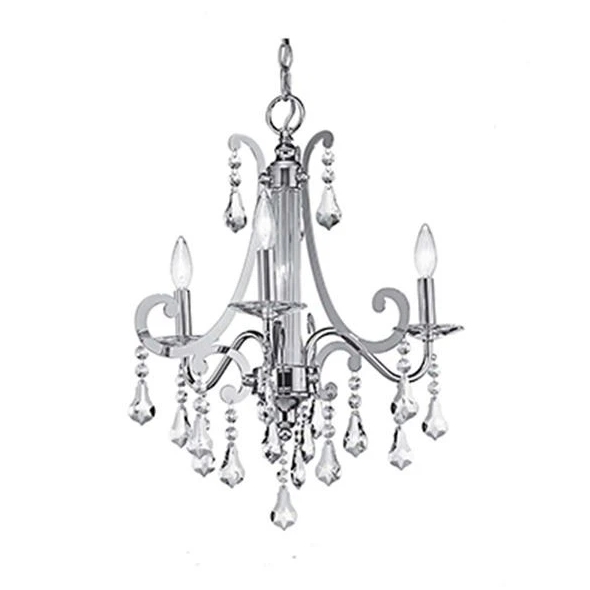
In this comprehensive guide, we will walk you through the process of choosing the right chandelier for your home. A small chandelier may get lost in a large space, while a large chandelier may overpower a small room. Modern Chandeliers: If you have a contemporary or minimalist home, a modern chandelier can be the perfect addition. The right light bulbs can enhance the overall ambiance and functionality of your chandelier. Here are a few options to consider:Incandescent Bulbs: These traditional light bulbs emit a warm and soft glow.
0
5

It is about evaluating insurance, licensing coverage, materials expertise warranties, as well as the transparency of contracts. A trustworthy roofing contractor must be able to show licenses from the state or municipality when required, and must be in compliance with local building regulations. The verification that the contractor has general liability insurance as well as workers' compensation insurance is not a matter of negotiation. Material Expertise and Warranty StructureThe roofing materials are diverse in their durability, price as well as maintenance needs. A final walkthrough as well as a documented checklist of inspections prior to closing the project verify the completion requirements.
0
19