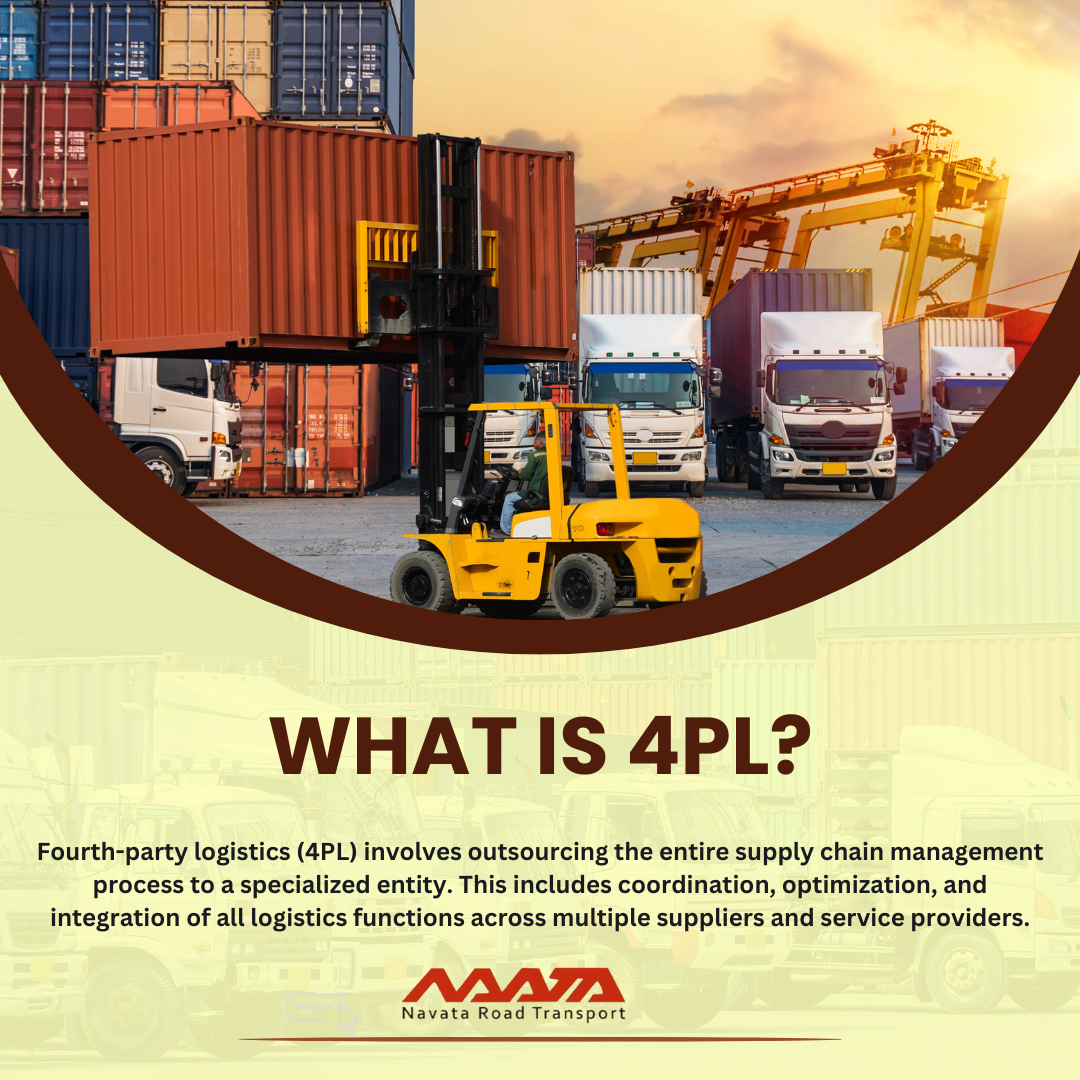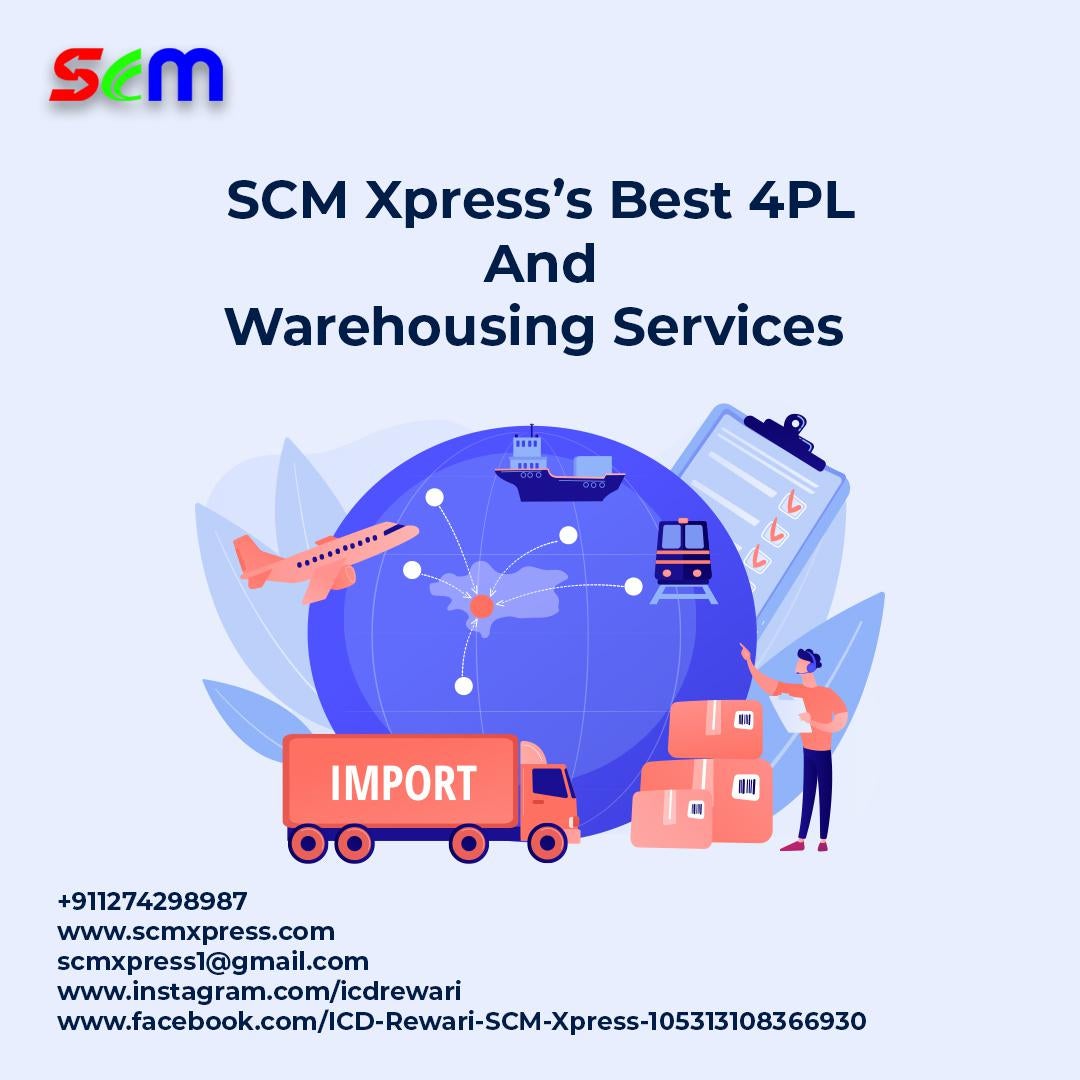
4PL (Fourth Party Logistics) warehousing refers to a logistics model where an external partner, known as the 4PL provider, manages and coordinates the entire supply chain on behalf of a company. This includes overseeing multiple logistics service providers and integrating their services to optimize efficiency. Here are some benefits of 4PL warehousing that contribute to maximizing efficiency:
Single Point of Contact:
4PL providers serve as a single point of contact for the entire supply chain. This reduces complexity and streamlines communication, making it easier to manage and coordinate various logistics functions.
Expertise and Specialization:
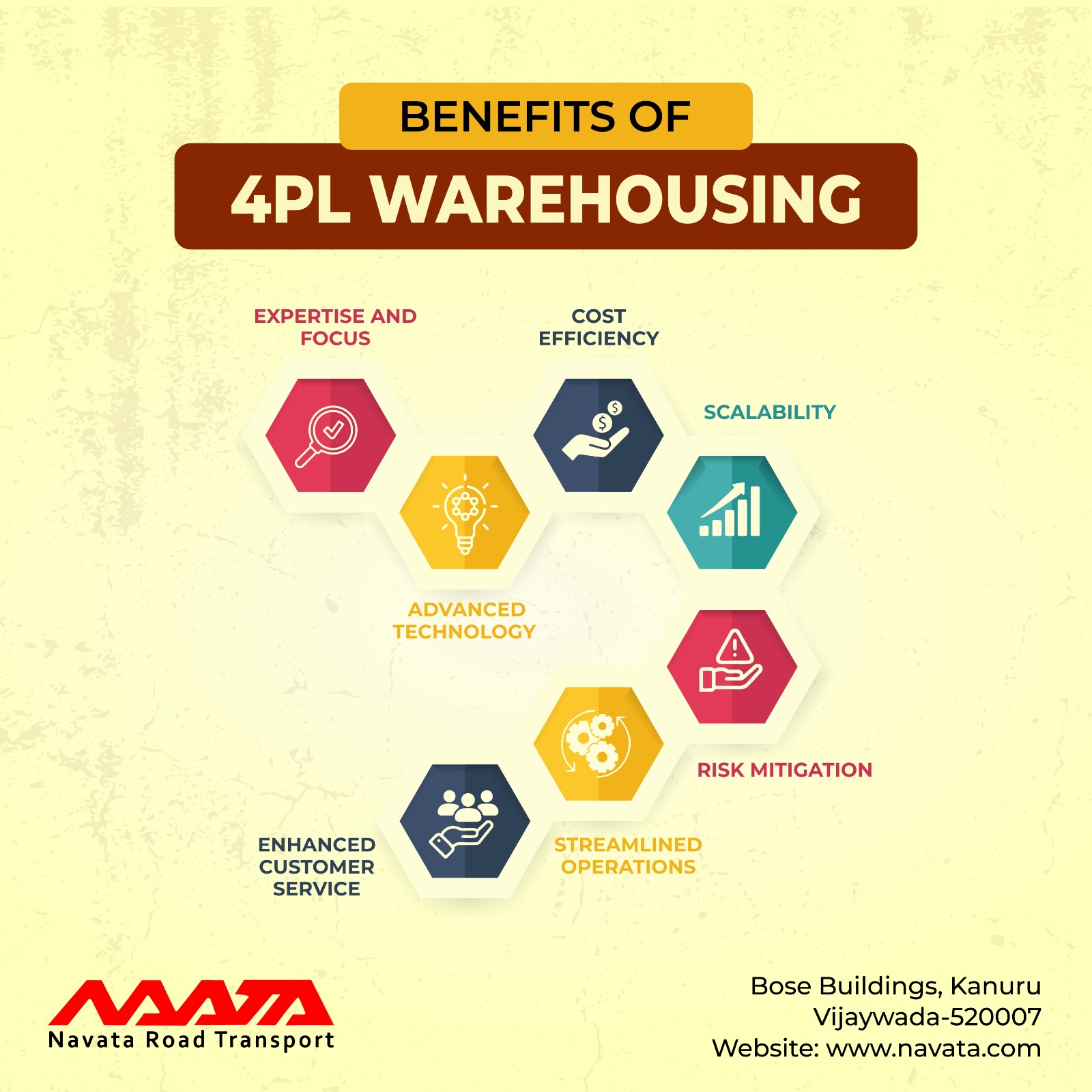
4PL providers often have specialized knowledge and expertise in logistics and supply chain management. This allows them to identify and implement best practices, leading to increased efficiency in warehousing operations.
Technology Integration:
4PL providers leverage advanced technologies and systems for efficient inventory management, order processing, and shipment tracking. The integration of technologies like warehouse management systems (WMS) and transportation management systems (TMS) can significantly improve overall efficiency.
Optimized Network Design:
4PL providers analyze the entire supply chain network and design optimal solutions. This may involve choosing the right distribution centers, transportation routes, and storage locations to minimize costs and transit times, ultimately maximizing efficiency.
Flexibility and Scalability:
4PL providers can quickly adapt to changing business requirements and market conditions. They offer flexibility and scalability in warehousing operations, allowing businesses to respond effectively to fluctuations in demand, seasonal variations, or other dynamic factors.
Performance Metrics and Continuous Improvement:
4PL providers establish key performance indicators (KPIs) and regularly monitor performance across the supply chain. This focus on metrics enables continuous improvement initiatives, helping to identify areas for optimization and efficiency gains.
Cost Reduction:
By optimizing the supply chain, consolidating shipments, and improving overall logistics efficiency, 4PL warehousing can lead to cost reductions. This is achieved through better negotiation with suppliers, reducing lead times, and minimizing unnecessary inventory holding costs.
Risk Management:
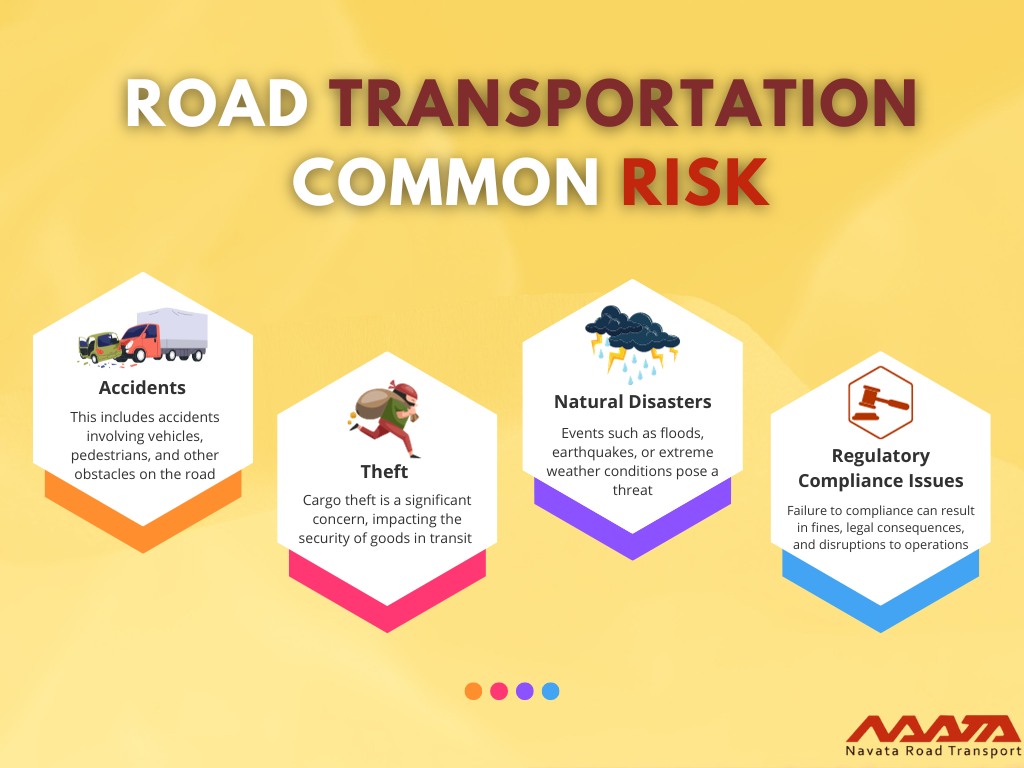
4PL providers often have risk management strategies in place to mitigate disruptions in the supply chain. This can include contingency planning, alternative sourcing, and proactive measures to address potential challenges, ensuring a more reliable and efficient supply chain.
Global Reach and Compliance:
For businesses operating on a global scale, 4PL providers can offer expertise in navigating international logistics, customs regulations, and compliance issues. This ensures smooth cross-border movements and minimizes delays, contributing to overall efficiency.
Focus on Core Competencies:
Outsourcing logistics management to a 4PL provider allows businesses to concentrate on their core competencies. By delegating supply chain responsibilities, companies can focus on product development, marketing, and other strategic aspects of their operations.
In summary, 4PL warehousing provides a holistic and integrated approach to supply chain management, leveraging expertise, technology, and optimization strategies to maximize efficiency and streamline logistics operations.