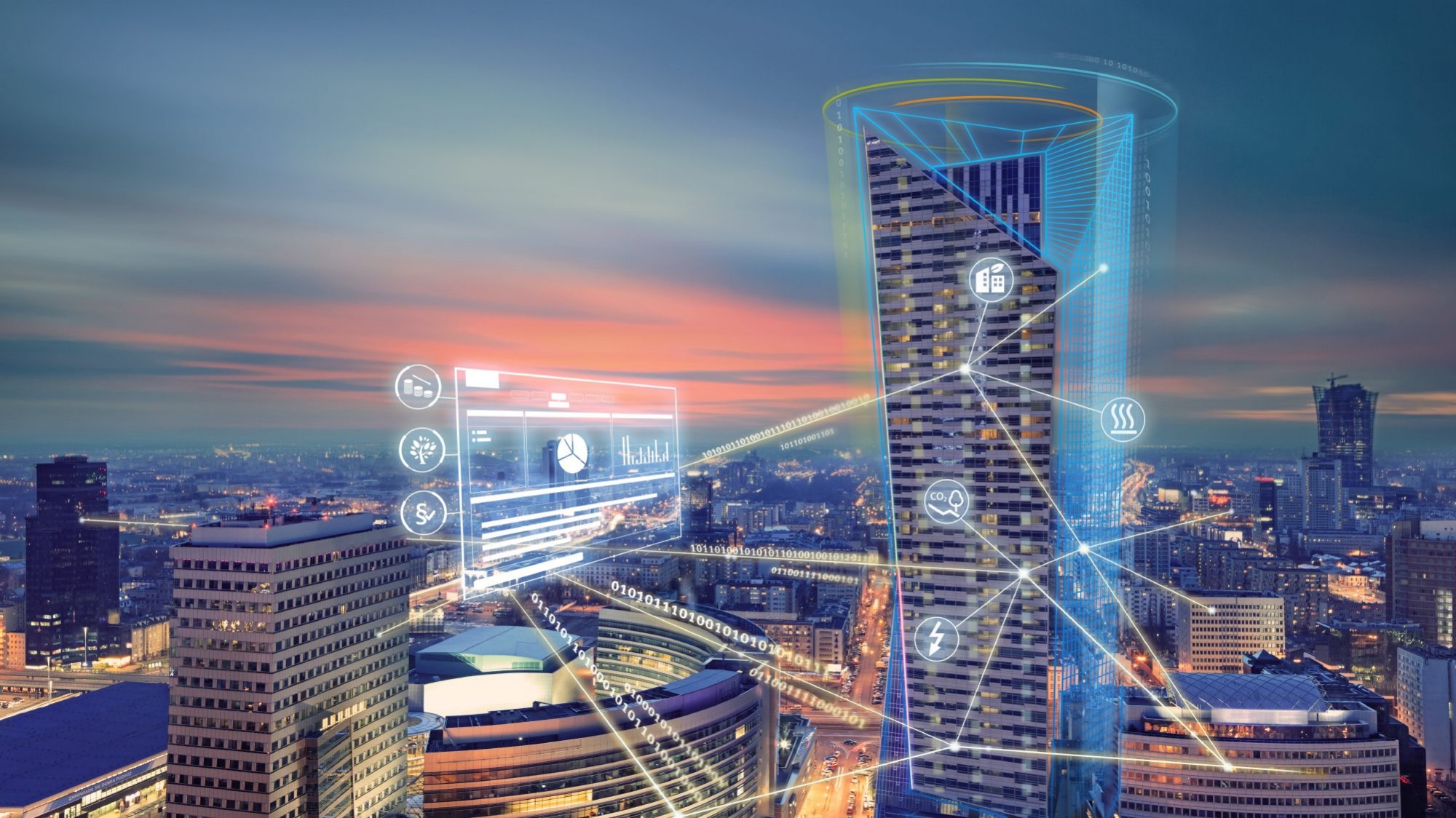


In the rapidly evolving landscape of modern workplaces, the integration of Artificial Intelligence (AI) has become a pivotal factor in revolutionizing building efficiency and comfort. Smart office management, powered by AI, has emerged as a transformative solution that not only optimizes operational processes but also enhances the overall well-being of occupants.
This article explores the multifaceted role of AI in creating intelligent, responsive, and efficient office environments that prioritize both productivity and comfort.
Intelligent Climate Control
One of the key contributors to workplace comfort is an optimized climate. AI-driven smart office management systems leverage sensors and data analytics to continuously monitor and adjust temperature, humidity, and ventilation. These systems learn from occupant preferences and patterns, adapting to individual needs and seasonal variations. By efficiently managing climate control, AI helps create a comfortable environment that contributes to increased productivity and employee satisfaction.
Energy Optimization
AI plays a crucial role in the sustainable development of smart offices by optimizing energy consumption. Smart building systems analyze data from various sensors, including occupancy, lighting usage, and equipment operation, to identify patterns and make real-time adjustments. For instance, AI can dynamically control lighting and HVAC systems based on occupancy, minimizing energy waste and reducing costs. This not only benefits the environment but also enhances the overall efficiency of the building.
Predictive Maintenance
AI-enabled systems go beyond reactive maintenance by introducing predictive maintenance strategies. By analyzing data from sensors and equipment, AI algorithms can predict when a component is likely to fail, allowing facility managers to schedule maintenance proactively. This approach not only reduces downtime and repair costs but also ensures that the building's systems operate at peak efficiency, contributing to a seamless and uninterrupted work environment.
Enhanced Security
Security is a paramount concern for any workplace. AI integrates seamlessly with modern security systems to provide advanced threat detection and monitoring capabilities. Facial recognition, access control, and behavior analysis are some of the features that enhance building security. AI algorithms can identify anomalies in real-time, enabling swift responses to potential security threats. This not only safeguards the physical well-being of occupants but also protects sensitive data and assets within the premises.
Adaptive Lighting Systems
Lighting plays a significant role in both productivity and well-being. AI-driven lighting systems can adjust color temperature, brightness, and intensity based on factors such as natural light availability, occupancy, and time of day. By mimicking natural lighting conditions, these systems contribute to circadian rhythm regulation, reducing fatigue and enhancing alertness among occupants. Adaptive lighting not only improves comfort but also positively impacts employee health and overall satisfaction.
Personalized Workspace Experience
AI contributes to the creation of personalized workspace experiences by learning individual preferences and habits. Smart office management systems can customize settings such as desk height, chair ergonomics, and even preferred ambient conditions for each employee. This level of personalization not only enhances comfort but also fosters a sense of well-being and satisfaction, ultimately boosting productivity and employee retention.
Conclusion
The integration of AI in smart office management is reshaping the way we design, operate, and experience modern workplaces. By optimizing building efficiency, enhancing comfort, and addressing key factors such as climate control, energy consumption, security, and personalization, AI-driven systems contribute to a holistic and productive work environment. As organizations continue to prioritize employee well-being and sustainability, the role of AI in smart office management will only become more prominent, paving the way for the workplaces of the future. Embracing these intelligent technologies not only aligns with the principles of efficiency and sustainability but also ensures that our workspaces evolve into dynamic, responsive, and employee-centric environments.