Introduction
In today's society, the pursuit of a healthy lifestyle has become increasingly important. Many individuals are striving to maintain a balanced diet and shed those extra pounds. One popular food that often finds its way into weight loss discussions is peanut butter. While some may view it as a high-calorie treat, others believe it can actually aid in weight loss when consumed in moderation. In this article, we will delve deeper into the subject and seek the advice of a professional dietitian to better understand the role peanut butter can play in a weight loss journey.
The Nutritional Value of Peanut Butter
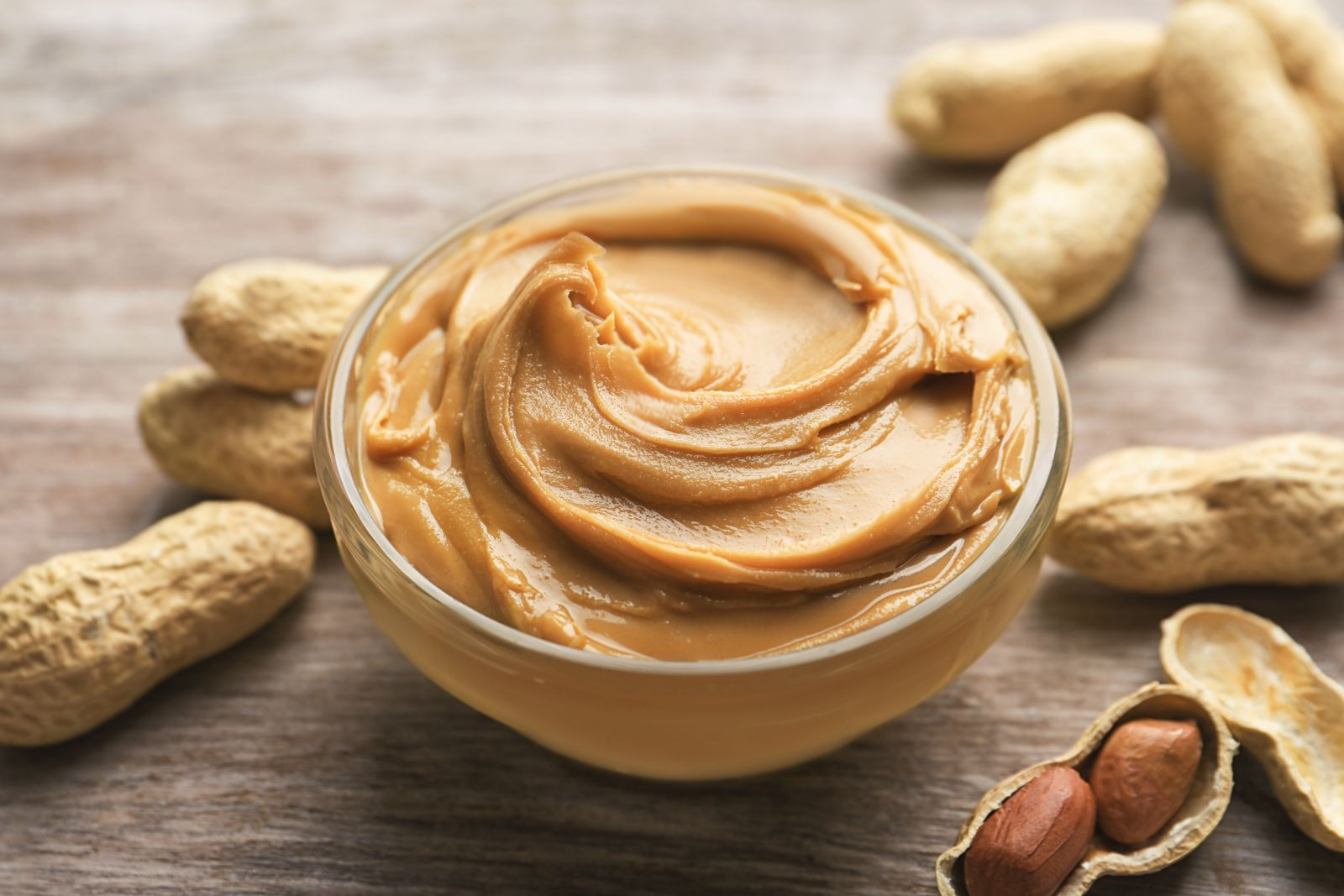
Peanut butter is packed with essential nutrients that offer numerous health benefits. It is a good source of protein, healthy fats, fiber, and important vitamins and minerals. It also contains antioxidants and plant compounds that contribute to overall well-being. However, due to its high calorie content, portion control is crucial when incorporating peanut butter into a weight loss plan.
Peanut Butter and Weight Loss
Contrary to popular belief, peanut butter can be a valuable ally in achieving weight loss goals, provided it is consumed in a controlled manner. The key is to opt for natural peanut butter without added sugars or unhealthy additives. The monounsaturated fats present in peanut butter have been associated with improved heart health and increased satiety, which can prevent overeating. Incorporating peanut butter into a balanced diet can help curb cravings and lead to weight loss.
How to Incorporate Peanut Butter into a Weight Loss Diet
While peanut butter can be a beneficial addition to a weight loss diet, it is important to consume it in moderation. Here are some tips on how to incorporate peanut butter into your daily routine:
- Measure serving sizes: Use measuring spoons or a food scale to accurately portion your peanut butter. A serving size is typically around two tablespoons, which amounts to approximately 180-200 calories.
- Pair it with fruits and vegetables: Spread peanut butter on apple slices or celery sticks for a satisfying snack. This combination provides a balance of nutrients and can help control hunger.
- Add it to smoothies: Blend a tablespoon of peanut butter with your favorite fruits and vegetables to create a delicious and nutritious smoothie. This can serve as a meal replacement or a post-workout snack.
- Use it as a topping: Peanut butter can be a healthy and flavorful addition to a bowl of oatmeal, yogurt, or whole-grain toast. This adds a dose of protein and healthy fats to your meal.
- Experiment with recipes: There are countless recipes available that incorporate peanut butter into savory dishes and desserts. Look for options that align with your dietary goals and try them out.
The Importance of a Balanced Diet
While peanut butter can be a valuable component of a weight loss diet, it is essential to maintain a balanced approach to nutrition. A diet rich in fruits, vegetables, lean proteins, whole grains, and healthy fats is key to overall well-being. Incorporating peanut butter into such a diet can provide additional flavor and nutritional benefits.
Considerations and Precautions
While peanut butter can be a healthy addition to a weight loss diet, it may not be suitable for everyone. Individuals with peanut allergies or certain dietary restrictions should exercise caution and consult with a healthcare professional or dietitian before incorporating peanut butter into their eating plan. Additionally, individuals aiming to lose weight should consider their overall calorie intake and ensure that peanut butter fits within their daily calorie goals.
A Professional Dietitian's Advice
To gain further insights into the topic, we consulted with a professional dietitian, Dr. Emily Thompson. According to Dr. Thompson, "Peanut butter can be a nutritious part of a weight loss diet when consumed in moderation. It provides a good source of protein and healthy fats, which can aid in satiety and prevent overeating." She also emphasized the importance of portion control and the consideration of individual dietary needs.
Dr. Thompson advises, "When incorporating peanut butter into a weight loss plan, it's essential to measure your portions accurately and be mindful of your overall calorie intake. It's also crucial to choose natural peanut butter without added sugars or unhealthy additives." She further suggests pairing peanut butter with fruits and vegetables, adding it to smoothies, or using it as a topping for nutrient-rich meals.
In conclusion, while peanut butter may seem like an indulgence to be avoided when attempting to lose weight, it can actually be a beneficial addition to a balanced diet. By practicing portion control and selecting healthier options, individuals can enjoy the taste and health benefits of peanut butter while working towards their weight loss goals.