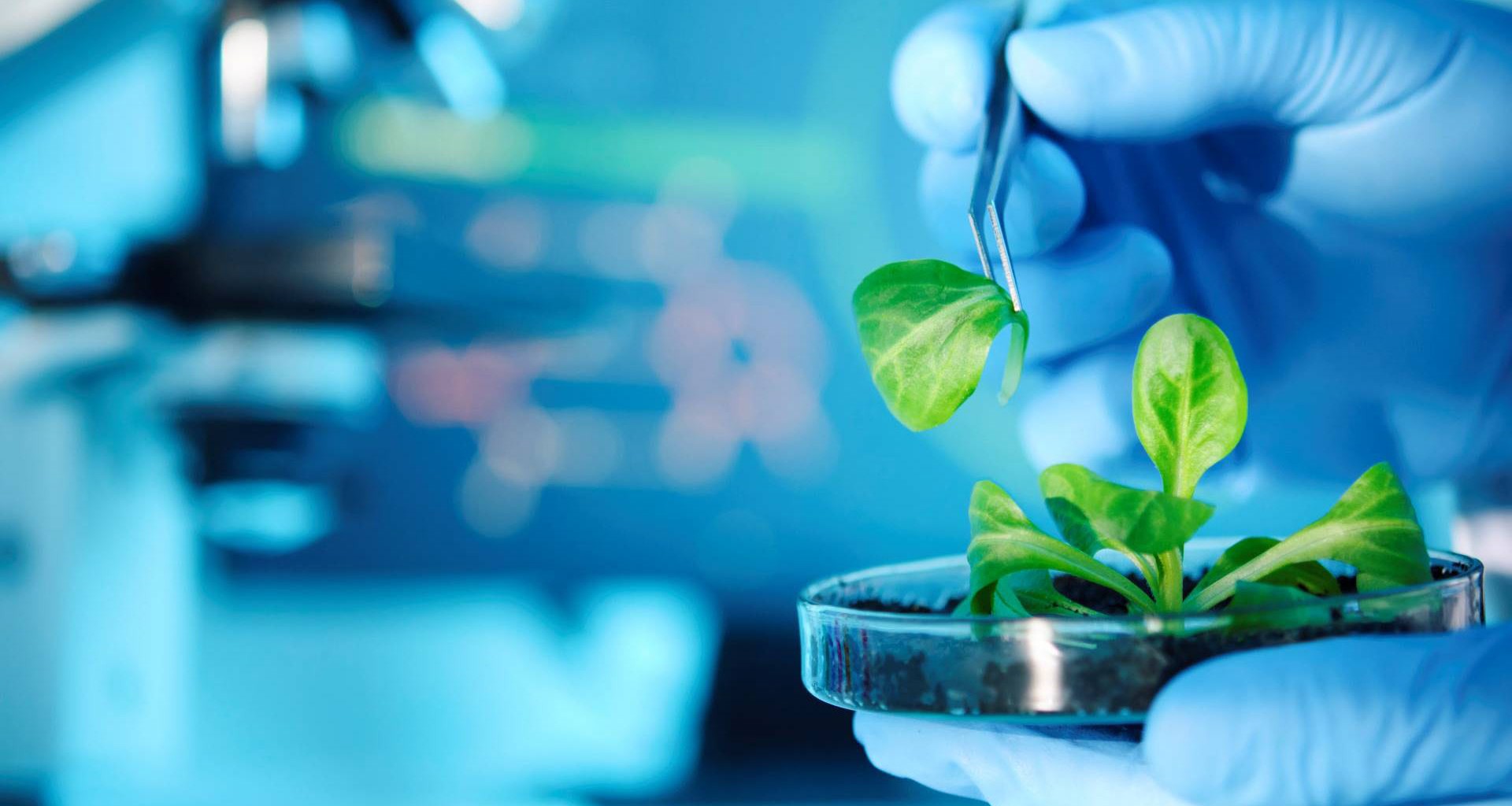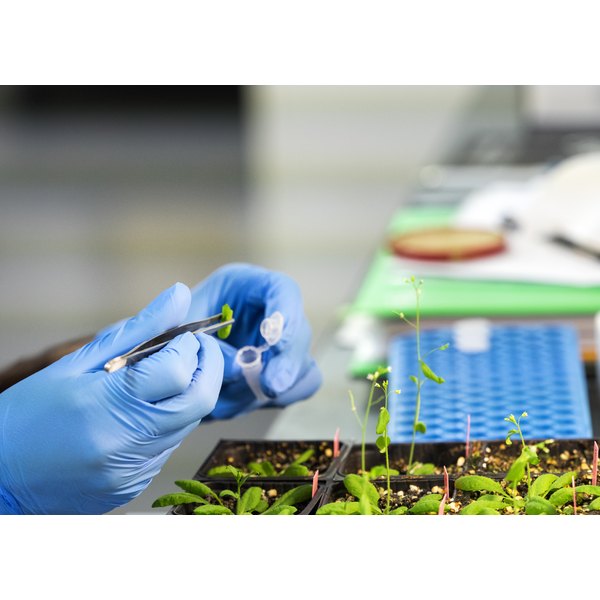
Plant-based biologics employ plant-based expression systems for cost-effective production of biopharmaceuticals. They can help overcome the limitations of traditional production methods and offer a natural and sustainable alternative for manufacturing therapeutic proteins. Plant expression platforms offer advantages of scalability, low-cost infrastructure requirements, and eukaryotic post-translational modification machinery needed for functional recombinant proteins. Monoclonal antibodies, vaccines, enzymes, and peptides have been produced in plants for various applications.
The global plant-based biologics market is estimated to be valued at US$ 19.4 Mn in 2023 and is expected to exhibit a CAGR of 3.4% over the forecast period 2023 to 2030, as highlighted in a new report published by Coherent Market Insights.
Market Dynamics
The rising adoption of green alternatives in pharmaceutical manufacturing is expected to drive the growth of the plant-based biologics market over the forecast period. Plant-based expression systems provide inherent advantages over microbial and animal cell-based methods in terms of scalability and cost-effectiveness. They eliminate the risks of contamination by animal viruses and overcome the limitations of fermentation-based technologies. This makes plant platforms an attractive solution for biomanufacturing vaccines, antibodies, and other complex therapeutic proteins. Increased R&D investments by companies in plant-made pharmaceuticals is further anticipated to propel the market growth.
SWOT Analysis
Strength: Plant-based biologics have several advantages over microbial and animal cell-based biologics. Plant systems allow for low-cost, scalable production and are well-suited for post-translational modifications required for the functional activity of many biologics. Furthermore, certain plant systems do not harbor human pathogens, reducing safety concerns.
Weakness: Developing plant-based biologics requires extensive research and development to optimize yields and ensure product quality. Factors such as significant variation in transgene expression and product localization may complicate downstream processing.
Opportunity: The global pandemic has increased demand for vaccines and therapeutics. Plant expression platforms can efficiently produce vaccines and are well-positioned to address future pandemics. The increasing focus on precision medicines also creates opportunities to develop novel biologics using plant systems.
Threats: Regulatory acceptance of plant-made biologics remains uncertain as they must demonstrate safety and quality standards comparable to traditional systems. Limited manufacturing experience and public misperceptions regarding genetically modified crops also pose challenges.
Key Takeaways
The global plant-based biologics market is expected to witness high growth over the forecast period driven by the advantages of plant expression systems.
North America currently dominates the market due to ongoing clinical programs and regulatory approvals. However, Asia Pacific is expected to emerge as the fastest growing region with increasing government support and expanding biologics manufacturing capacities.
Key players operating in the plant-based biologics market are Leaf Expression Systems, Zea Biosciences, Planet Biotechnology Inc., InVitria, PlantForm Corporation, IBIO, Inc., Mapp Biopharmaceutical, Inc., Pfizer Inc., Ventria Bioscience Inc., Medicago Inc., Eleva GmbH, Kentucky Bioprocessing, LLC, Solarvest Bioenergy Inc., and Byondis B.V. The global market remains highly competitive with established players focusing on expanding production capacities and a strong pipeline of clinical-stage candidates.