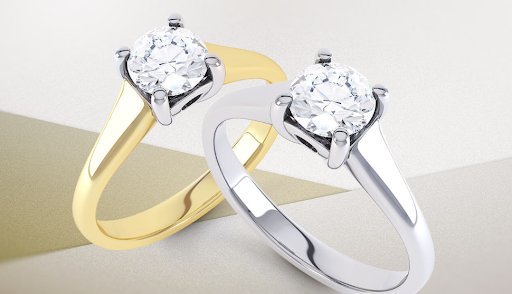
In the sparkling world of jewelry, innovation has often been driven by a fusion of artistry and technology. One of the most transformative technologies to recently grace the jewelry industry is 3D jewelry design. Unlike traditional methods, 3D design has revolutionized the way jewelers conceive, design, and manufacture beautiful pieces. But what exactly is it, and how is it shaping the future of jewelry?
Understanding 3D Jewelry Design
At its core, 3D jewelry design is a process of creating jewelry using computer software that allows designers to construct a three-dimensional digital model. These models are not just visual aids; they are a precise representation of what the final product will look like.
Once the design is finalized, it is transformed from a digital model into a physical piece using 3D printing or other production techniques. This has drastically reduced the need for hand-carving waxes or metal molds, which were the backbone of traditional jewelry creation.
Why is 3D Jewelry Design a Game Changer?
- Precision & Detail: With 3D software, designers can achieve an unparalleled level of detail. Intricate patterns, fine textures, and complex geometries become simpler to visualize and implement. This means the boundaries of creativity are continually expanding, giving birth to pieces that were once considered too intricate or impossible to produce.
- Customization: Personalization is the name of the game in modern luxury markets. 3D jewelry design has made custom jewelry not just feasible, but also efficient. Clients can work closely with designers, making real-time changes to a piece until it perfectly mirrors their vision.
- Sustainability: The ability to produce exact molds and designs through 3D printing reduces waste. Rather than using large amounts of metal and then cutting away excess, 3D printing and design use only what’s needed, promoting an eco-friendlier approach to jewelry creation.
- Speed: Traditional jewelry-making can be a lengthy process, especially when making detailed custom pieces. 3D design and printing have drastically reduced the time it takes from conceptualization to the final product. This means customers get their pieces faster and designers can produce more in less time.
The Future of Jewelry: 3D and Beyond
With the integration of 3D technology, the line between jewelry designer and artist blurs even further. The tools available have expanded the canvas upon which these artisans work, allowing for larger, more imaginative, and even avant-garde creations.
Moreover, as 3D printing technology evolves, we might see materials that aren’t traditionally associated with jewelry entering the scene. Think of gemstones created layer by layer, imbued with unique colors and inclusions purposefully designed by the artist.
Furthermore, the intersection of 3D jewelry design with augmented reality (AR) and virtual reality (VR) can take the buying experience to new heights. Imagine trying on digital versions of various jewelry pieces virtually before deciding on the design you'd like to bring to life!
In Conclusion
3D jewelry design is not just a fleeting trend; it's a transformative force reshaping the horizons of the jewelry world. As designers become more familiar with these tools and consumers more open to the innovations they bring, the art of jewelry-making is bound to see even more breathtaking evolutions.
In a world that constantly blends the lines between the tactile and the digital, 3D jewelry design stands as a shimmering testament to the beauty that arises when tradition meets technology. Whether you're a designer, a jewelry enthusiast, or just someone who appreciates the marriage of art and science, there's no doubt that this innovation is worth watching.
Lauris Mickus is the author of this article. For further detail about Jewelry Rendering. Please visit the website https://hellounco.com/.
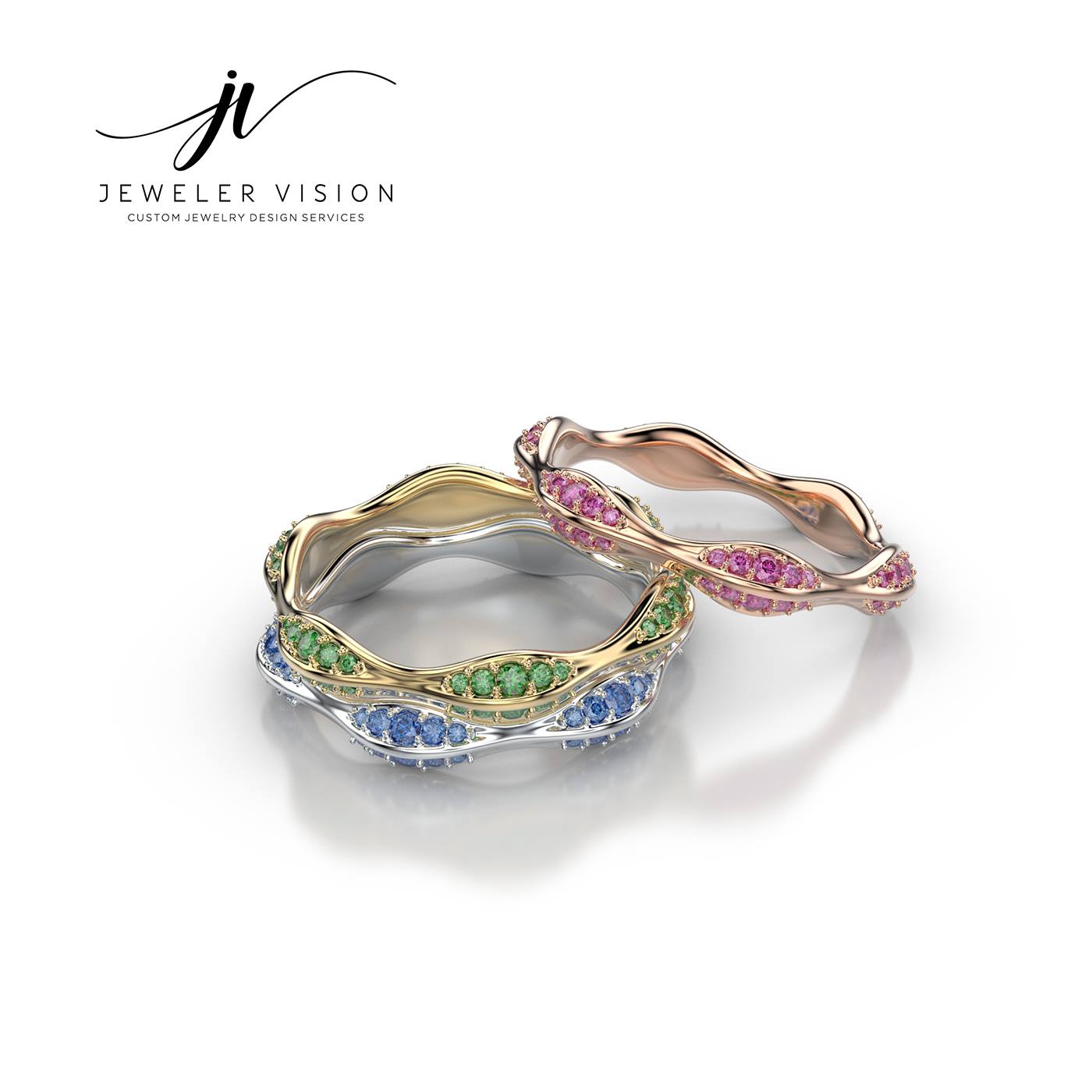
Custom 3D design comes with high-quality standards with a guarantee of features that make the piece unique or more valuable and still under budget.
It is a great process for both jewelers and customers that help to bring life the idea down to the smallest detailed so that the perfect piece is created.
With the use of 3D designs, it is possible to create the finished design in one single piece which has high quality with time-saving by cutting out the joining process.
If you are looking for a custom 3d jewelry design in Montreal, choose Jeweler Vision- a company providing services since 2005 to designers, retailers, and individuals to create unique pieces that you can’t find anywhere else.
Our process starts with a rough sketch of the jewelry idea, discuss the details and our experts will bring that design to life.
We have a team of experts who take care of all of your designs and bring your vision to life.
Now is when brands should focus on bringing more people from diverse backgrounds rather than just posting trending pictures or assistants on social media platforms.
These are tough calls for choosing brands active in the fashion sector, excluding the jewelry sector.
Even during COVID-19, this domain has always been more inclusive and more robust.
Therefore, it is considered the safest and profitable business to start.
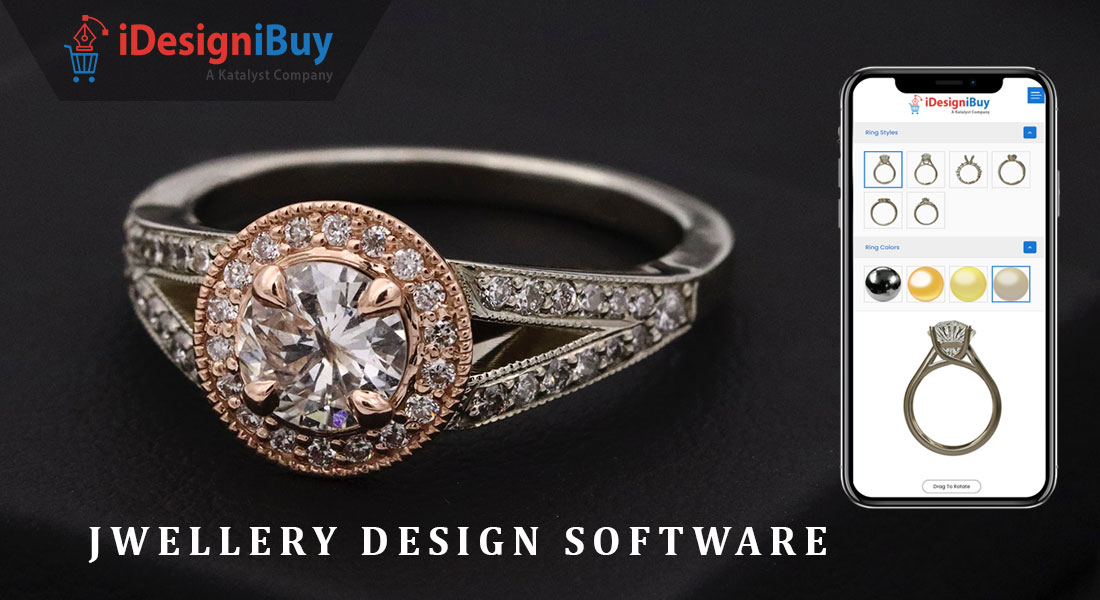
If you are looking forward to keeping the audience entertained, you are on the correct website.Our best-in-class and top-notch jewelry design software will help you and your buyers customize their own unique men’s and girls’ custom ringsOnline jewelry design software helps brands reborn in the luxury market:Customized jewelry has been trending for years, but buying ready-made jewelry has become even more popular since the advent of social media and digital technology.
The brand is reported to receive more orders from year to year, and the trend does not seem to stem from any interruption.