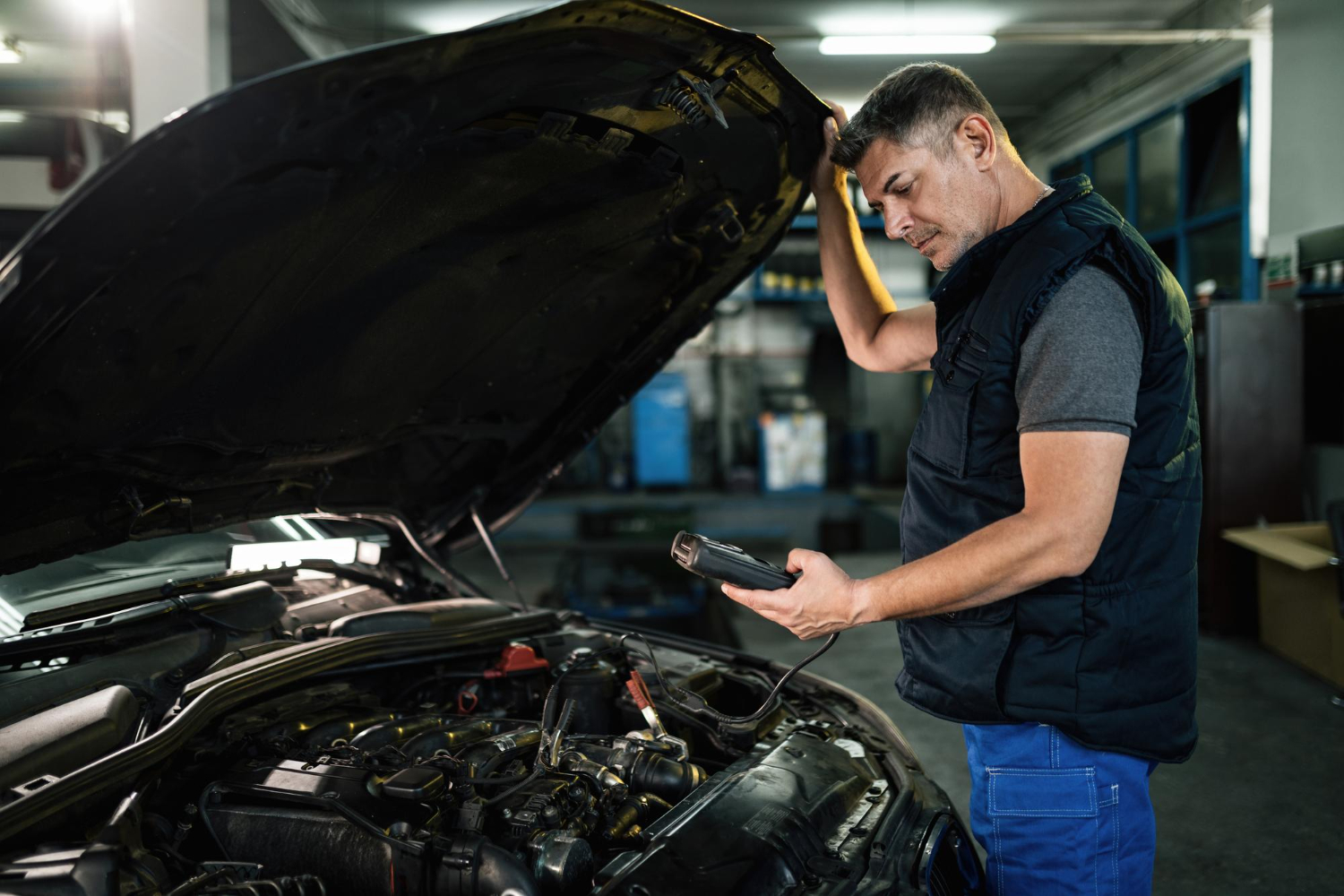



Regular auto inspections are essential for maintaining the safety, reliability, and performance of your vehicle. Whether you're driving a new car or one with high mileage, routine inspections help identify potential issues early, allowing you to address them before they escalate into costly repairs or safety hazards. In this guide, we'll explore the importance of regular auto inspections, highlighting their role in ensuring vehicle safety and performance, and providing practical tips for incorporating them into your vehicle maintenance routine.
Ensuring Safety on the Road
One of the primary reasons for conducting regular auto inspections is to ensure the safety of you, your passengers, and other road users. A thorough inspection of your vehicle's key safety components, such as brakes, tires, steering, and suspension, helps identify worn or damaged parts that could compromise safety. For example, inspecting brake pads, rotors, and brake lines can detect signs of wear or leaks that may affect braking performance. Similarly, checking tire tread depth, tire pressure, and tire condition can help prevent blowouts and ensure optimal traction on the road. By addressing safety issues promptly, auto inspections help reduce the risk of accidents and ensure a safer driving experience for everyone on the road.
Preventing Costly Repairs
Regular auto inspections can help prevent minor issues from escalating into major repairs, saving you time, money, and hassle in the long run. During an inspection, trained technicians thoroughly examine your vehicle's components, including engine, transmission, exhaust system, and electrical systems, for signs of wear, damage, or malfunction. By identifying and addressing issues early, such as fluid leaks, worn belts, or faulty sensors, auto inspections help prevent more significant problems that could lead to expensive repairs or breakdowns. Investing in regular inspections is a proactive approach to vehicle maintenance that can help you avoid unexpected repair bills and prolong the lifespan of your vehicle.
Maintaining Optimal Performance
Regular auto inspections are crucial for maintaining the optimal performance of your vehicle's engine, drivetrain, and other critical systems. Over time, components such as spark plugs, filters, fluids, and sensors can become worn or dirty, affecting engine performance, fuel efficiency, and emissions. By conducting routine inspections and addressing maintenance tasks such as spark plug replacements, fluid flushes, and filter changes, you can keep your vehicle running smoothly and efficiently. Properly maintained vehicles perform better on the road, delivering smoother acceleration, improved fuel economy, and reduced emissions, resulting in a more enjoyable driving experience for you and better overall performance.
Ensuring Compliance with Regulations
Auto inspections are often required by law to ensure that vehicles meet safety and emissions standards. Depending on your location, you may be required to undergo periodic inspections to renew your vehicle registration or comply with local regulations. These inspections typically assess key safety and emissions components, such as brakes, lights, exhaust systems, and emissions controls, to ensure compliance with regulatory standards. By conducting regular auto inspections, you can ensure that your vehicle meets or exceeds these standards, avoiding fines, penalties, or legal issues associated with non-compliance. Additionally, maintaining a record of inspection reports and maintenance records can help demonstrate compliance with regulations and facilitate the registration renewal process.
Increasing Resale Value
Regular auto inspections and maintenance can increase the resale value of your vehicle by demonstrating that it has been well cared for and properly maintained. Prospective buyers are more likely to pay a premium for a vehicle with a documented history of regular inspections and maintenance, as it provides assurance of its condition and reliability. By keeping up with auto inspections and addressing maintenance tasks as needed, you can preserve the value of your vehicle and maximize its resale potential when the time comes to sell or trade it in. Investing in regular inspections is not only beneficial for your vehicle's performance and safety but also for its long-term value and resale appeal.
Summary
Regular auto inspections are essential for ensuring the safety, reliability, and performance of your vehicle. By conducting routine inspections and addressing maintenance tasks as needed, you can identify potential issues early, prevent costly repairs, maintain optimal performance, ensure compliance with regulations, and increase the resale value of your vehicle. Whether you're driving a new car or one with high mileage, prioritizing auto inspections as part of your vehicle maintenance routine is a proactive approach to vehicle ownership that pays dividends in the long run. Don't overlook the importance of regular auto inspections—your safety, wallet, and peace of mind depend on them.


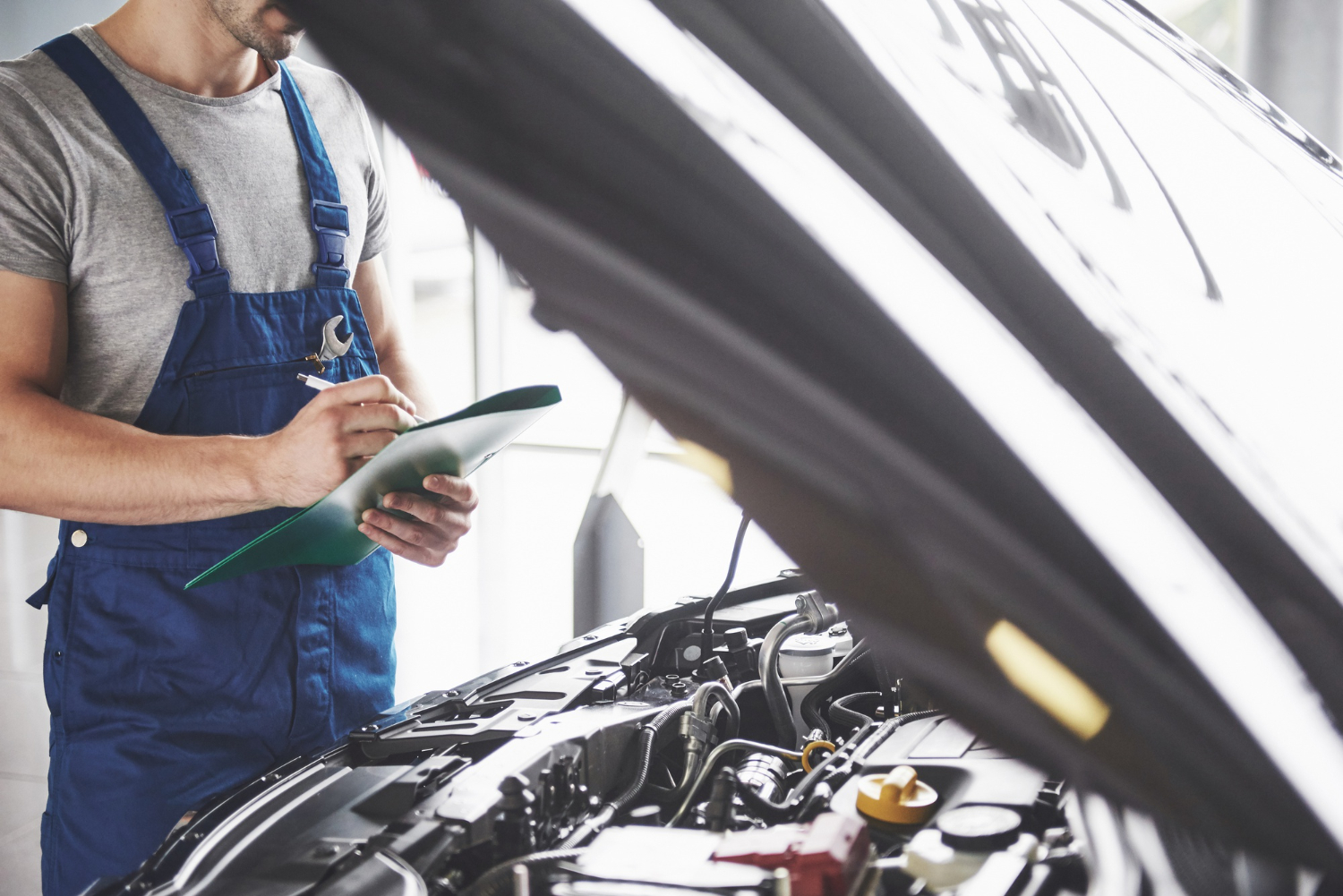


Anybody who owns a car will eventually need the services of a car mechanic.
In the case of a new car, that auto mechanic will usually be employed by the official dealership network's auto-repair shop in your area, especially if your car is still covered by a warranty or service plan.Read more about How To Find A Good Car Mechanic