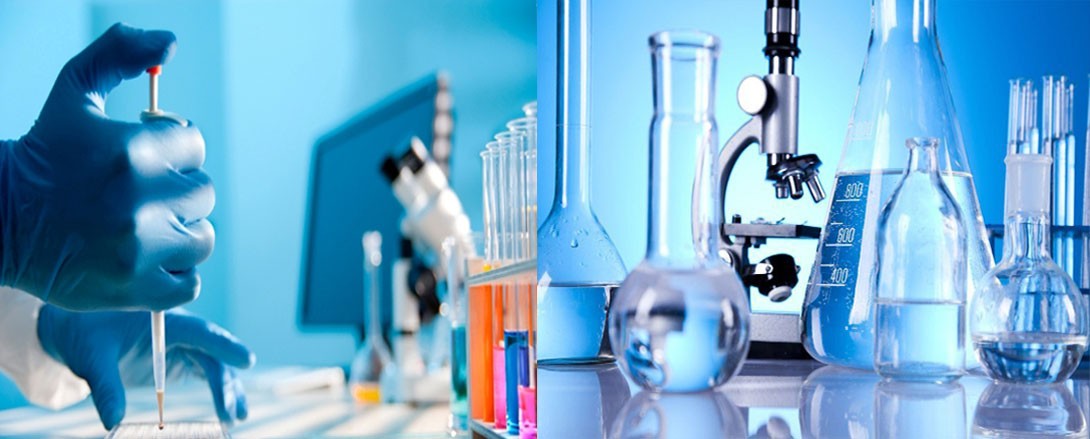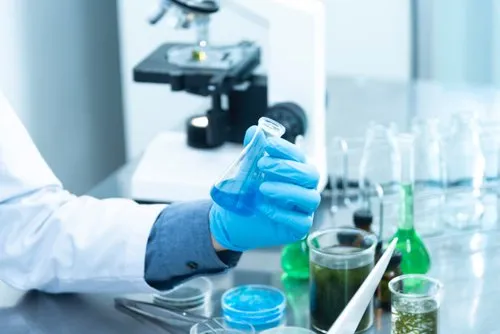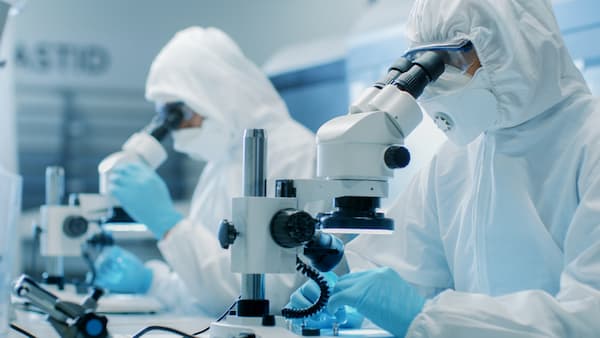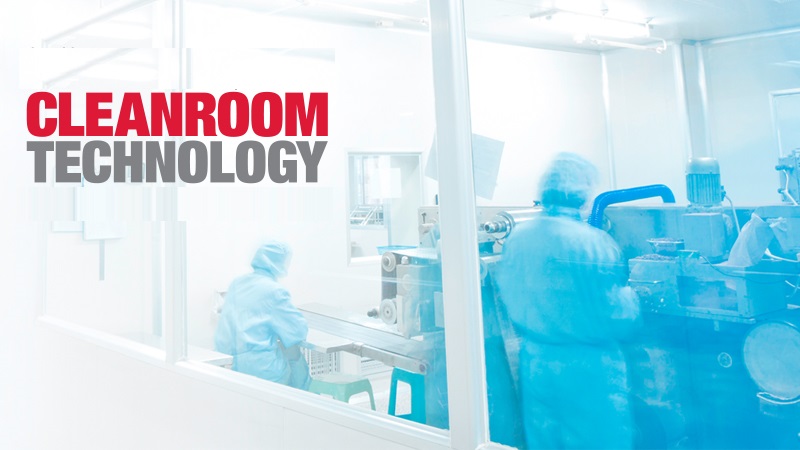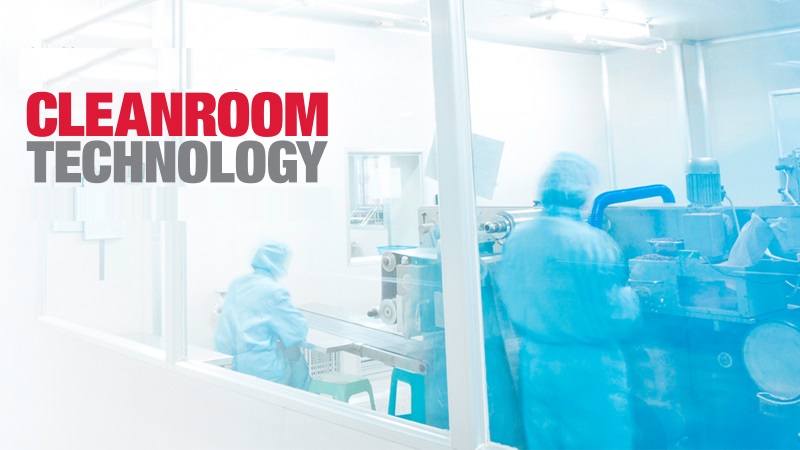


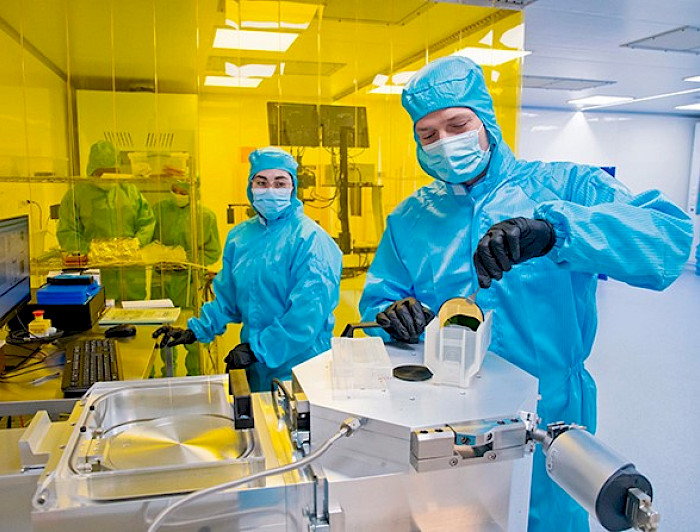
Cleanroom technology plays a crucial role in various industrial operations by providing controlled environments with low levels of pollutants such as dust, microbes, airborne particles, and chemical vapors. Here are several ways in which cleanroom technology can improve industrial operations:
1.Quality Control:
Cleanrooms ensure a controlled environment with minimal contaminants, which is essential for industries that require high precision and quality control, such as semiconductor manufacturing, pharmaceuticals, and aerospace.
By minimizing particle contamination, cleanrooms help maintain product integrity, reduce defects, and ensure the production of high-quality and reliable products.
2.Biotechnology and Pharmaceuticals:
In pharmaceutical and biotechnology industries, cleanroom technology is critical for maintaining sterile conditions during the production of medicines, vaccines, and other healthcare products.
It helps prevent microbial contamination, ensuring the safety and efficacy of pharmaceutical products.
3.Electronics Manufacturing:
Cleanrooms are vital in the production of electronic components and devices, such as semiconductors and microelectronics.
The controlled environment prevents dust and other contaminants from interfering with delicate electronic components, leading to higher yields and better performance of electronic devices.
4.Medical Device Manufacturing:
Cleanroom facilities are essential for the production of medical devices, ensuring that they are free from contaminants that could compromise patient safety.
The controlled environment is crucial for manufacturing products like implants, catheters, and other medical equipment.
5.Aerospace and Automotive Industries:
Cleanrooms are utilized in aerospace and automotive manufacturing to maintain cleanliness during the assembly of critical components.
This helps in ensuring the reliability and functionality of components like sensors, optics, and precision mechanical parts.
6.Research and Development:
Cleanrooms are often used in research and development environments, especially in industries like nanotechnology, where even minute particles can significantly impact experimental outcomes.
Controlled environments in cleanrooms provide a stable platform for conducting experiments and developing new technologies.
7.Reduced Contamination Risks:
Cleanroom technology minimizes the risk of contamination, which is crucial in industries where even small particles or microbes can lead to product defects or failures.
Reduced contamination risks result in improved product yields and lower production costs.
8.Stringent Regulatory Compliance:
Many industries, such as pharmaceuticals and healthcare, must adhere to strict regulatory standards. Cleanroom technology helps these industries comply with regulations by providing the necessary controlled environments.
9.Employee Safety:
Cleanroom technology contributes to the safety of employees by maintaining controlled environments that reduce exposure to harmful substances and contaminants.
10.Energy Efficiency:
Modern cleanroom designs incorporate energy-efficient systems for temperature, humidity, and particle control, contributing to sustainable and cost-effective operations.
In summary, cleanroom in south sudan technology enhances industrial operations by providing controlled environments that are essential for ensuring product quality, meetin