

Introduction
Embarking on a journey into the realm of algorithms, understanding the "Difference Between BFS and DFS " is crucial. These are two fundamental techniques in computer science, each with its unique strengths and applications. Let's dissect these algorithms and unveil their intricacies.
Exploring BFS - Breadth-First Search
What is BFS?
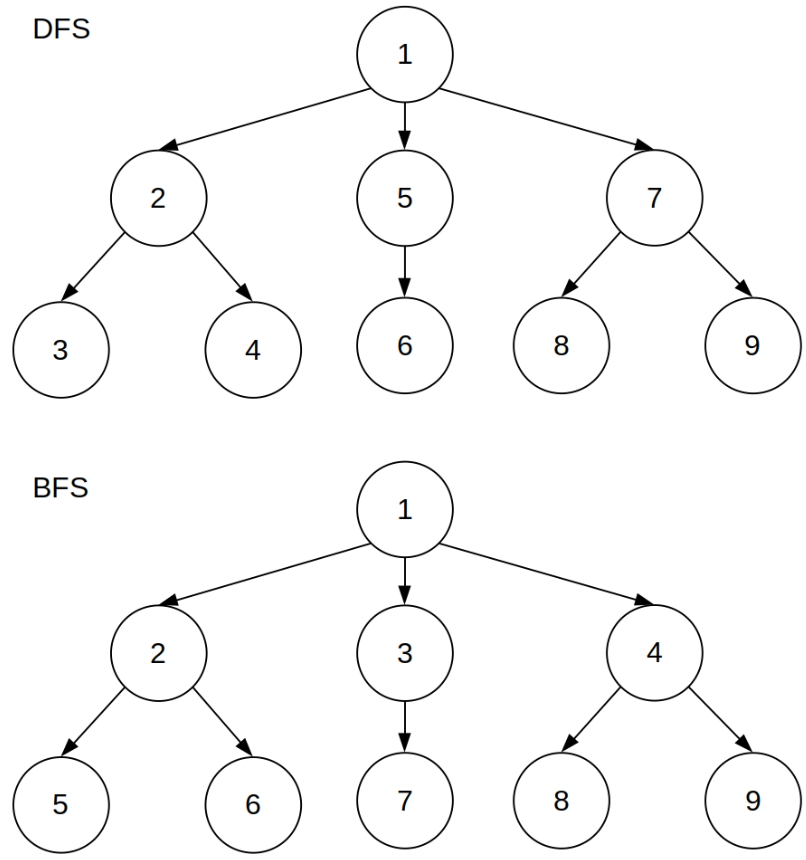
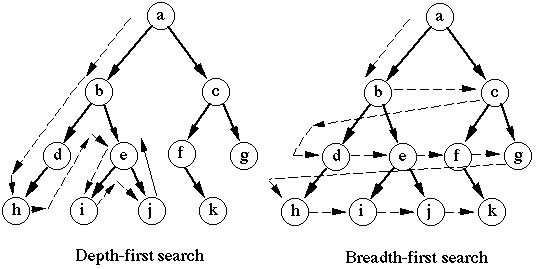
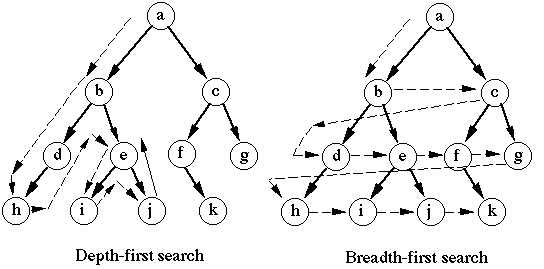
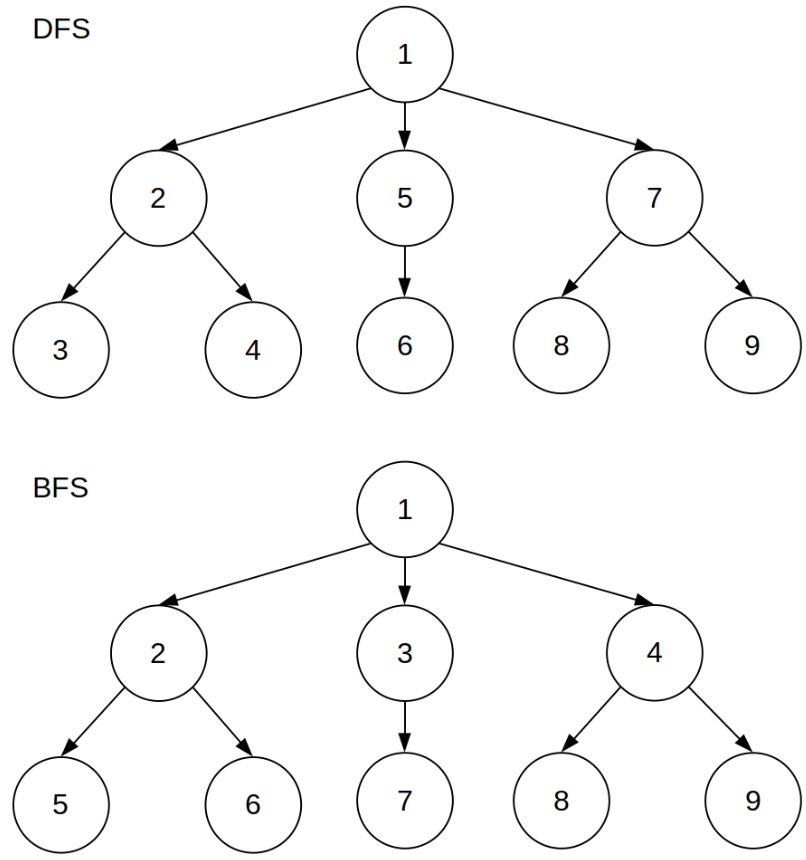
BFS, or Breadth-First Search, is an algorithm traversing a graph level by level. It starts at the root node and explores all its neighbors before moving to the next level. This breadth-wise exploration ensures every vertex at a given level is visited before moving deeper into the graph.
Applications of BFS
Understanding the applications of BFS is vital. It finds extensive use in shortest-path algorithms, network analysis, and puzzle-solving scenarios. Its ability to systematically explore all possibilities at a particular depth makes it invaluable in various domains.
Advantages of BFS
Delve into the advantages of BFS, and you'll find its simplicity and guarantee of finding the shortest path stand out. Its broad exploration helps in scenarios where the goal is closer to the source.
Diving into DFS - Depth-First Search
What is DFS?
DFS, or Depth-First Search, takes a different approach. It explores as far as possible along each branch before backtracking. Starting at the root node, it traverses as deeply as possible before exploring siblings.
Applications of DFS
DFS's applications are diverse, ranging from maze-solving algorithms to topological sorting. Its ability to go deep into a structure makes it apt for scenarios where depth exploration is crucial.
Advantages of DFS
The simplicity of DFS and its memory efficiency make it advantageous in certain situations. It's particularly useful in scenarios where discovering an entire path is essential.
VISIT ALSO: How BFS and DFS Find Shortest Paths in Graphs
Difference Between BFS and DFS: Unveiled
Algorithmic Approach
BFS focuses on exploring breadth-wise, ensuring all neighbors at a level are visited before moving deeper. In contrast, DFS delves deep into a branch before backtracking.
Memory Usage
While BFS is memory-intensive as it needs to store all the neighbors at a level, DFS is memory-efficient, only requiring storage for the current branch being explored.
Shortest Path
BFS guarantees the shortest path, making it ideal for scenarios where proximity matters. DFS doesn't guarantee the shortest path but may be more suitable for exploring all possibilities.
FAQs - Addressing Common Queries
Q: Can BFS and DFS be used interchangeably?
BFS and DFS serve different purposes based on their exploration methods. While they share some applications, interchangeability is not always possible.
Q: Is one algorithm more time-efficient than the other?
The efficiency depends on the specific use case. BFS may excel in certain scenarios, while DFS could be more suitable in others.
Q: Can BFS and DFS be combined for optimal results?
Yes, in certain situations, a combination of BFS and DFS, known as bidirectional search, can be employed for improved efficiency.
Q: Are there real-world examples of BFS and DFS applications?
Absolutely. BFS is used in network analysis and GPS navigation, while DFS finds application in solving mazes and analyzing game trees.
Q: How do these algorithms impact performance in large datasets?
BFS can be resource-intensive in large datasets due to its memory requirements. DFS, being memory-efficient, might be preferred in such scenarios.
Q: Can these algorithms be used in artificial intelligence?
Indeed. Both BFS and DFS play essential roles in AI, aiding in pathfinding, decision tree analysis, and state space exploration.
VISIT ALSO: Lippan Art Kit: Your Creative Gateway
Conclusion
In the intricate world of algorithms, understanding the "Difference Between BFS and DFS: " is pivotal. Each algorithm brings its strengths to the table, impacting various domains in computer science. Whether traversing a maze or optimizing network routes, these algorithms are indispensable.