Understanding Kidney Stones
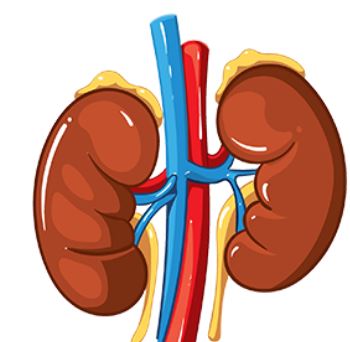
Kidney stones are hardened mineral deposits that form in the kidneys and can cause severe pain and discomfort. These stones can range in size and can be made up of different substances, such as calcium, uric acid, or struvite. The formation of kidney stones can be influenced by a variety of factors, including diet, dehydration, urinary tract infections, and certain medical conditions.
The Importance of Kidney Stone Prevention
Once an individual has experienced the pain and complications associated with kidney stones, they often want to take measures to prevent future occurrences. Kidney stone prevention strategies are crucial not only to avoid the discomfort of passing stones but also to prevent potential complications, such as urinary tract infections and kidney damage.
Effective Strategies for Kidney Stone Prevention
1. Stay Hydrated
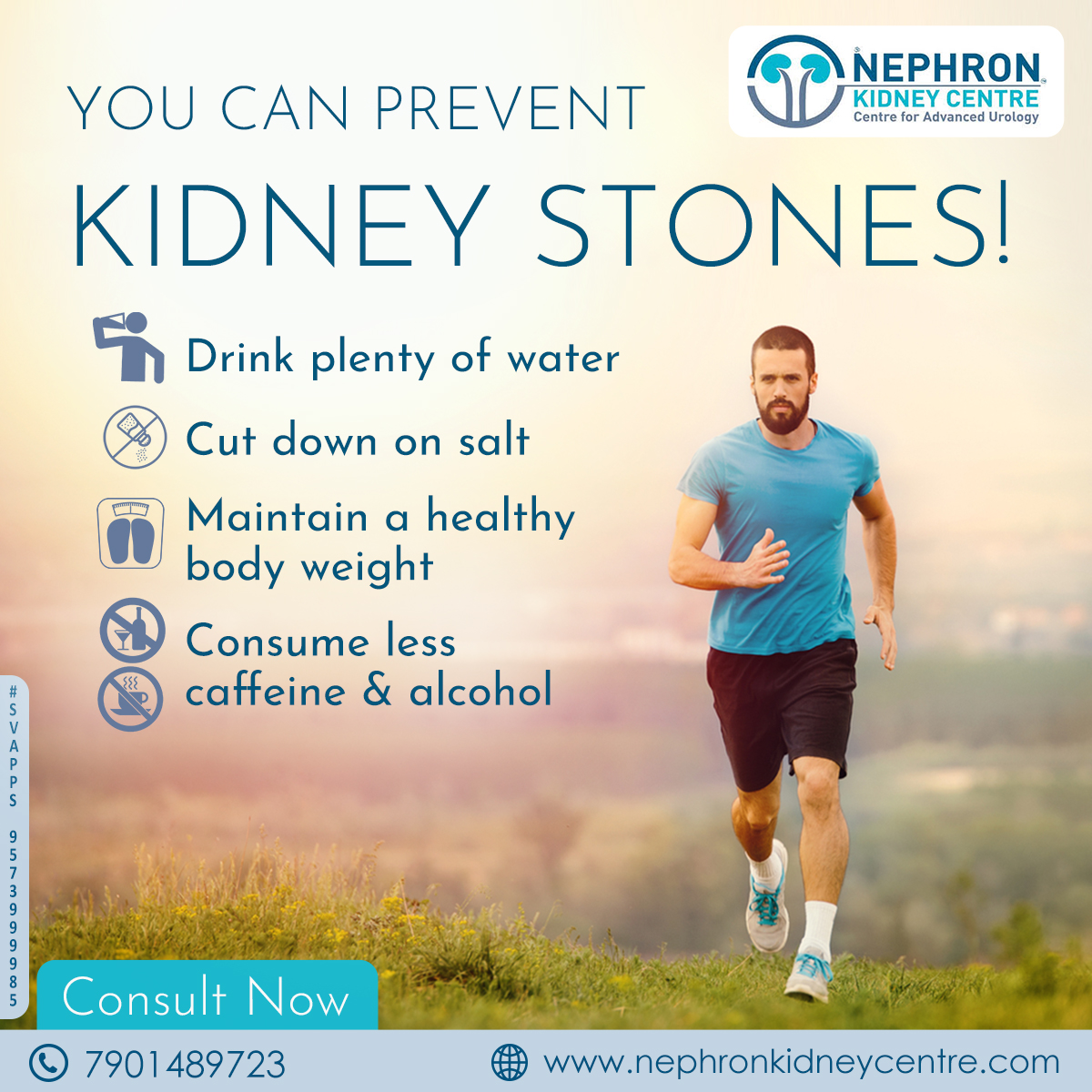
One of the most important steps in kidney stone prevention is staying hydrated. Drinking an adequate amount of water helps to dilute the urine and prevent the formation of minerals and salts that can lead to stone formation. Aim to drink at least 8-10 glasses of water per day, or more if you live in a hot climate or engage in intense physical activity.
2. Follow a Balanced Diet
Diet plays a vital role in kidney stone prevention. Certain foods can contribute to the development of stones, while others can help reduce the risk. It is important to limit the consumption of foods that are high in oxalate, such as spinach, rhubarb, and beetroot. Additionally, reducing the consumption of sodium, animal protein, and added sugars can also be beneficial. On the other hand, including foods rich in citrate, such as lemons and oranges, can help prevent stone formation.
3. Control Your Weight
Obesity and excess weight can increase the risk of kidney stone formation. Maintaining a healthy weight through a balanced diet and regular exercise can help reduce the risk of stones. It is important to consult with a healthcare professional or a registered dietitian to develop a personalized plan that suits your specific needs.
4. Limit Oxalate-Rich Foods
As mentioned earlier, foods that are high in oxalate, such as spinach, rhubarb, and beetroot, should be consumed in moderation. Oxalate can combine with calcium to form calcium oxalate stones, which are the most common type of kidney stones. By limiting the intake of these foods, you can help reduce the risk of stone formation.
5. Increase Calcium Intake
Contrary to popular belief, increasing dietary calcium intake can actually help prevent kidney stones. Calcium binds with oxalate in the digestive tract, preventing it from being absorbed into the bloodstream and ultimately reducing the risk of stone formation. However, it is important to get calcium from food sources rather than supplements.
6. Avoid Excessive Protein
A diet that is high in animal protein can increase the risk of kidney stone formation. Animal protein can raise the level of uric acid and calcium in the urine, which can contribute to stone formation. It is advisable to limit the consumption of red meat, poultry, and seafood, and opt for plant-based protein sources instead.
7. Monitor Sodium Intake
Excessive sodium intake can increase the amount of calcium in the urine, which can lead to stone formation. It is essential to monitor your sodium intake and limit the consumption of processed and packaged foods, as they are often high in sodium. Instead, opt for fresh, whole foods and use herbs and spices to flavor your meals.
8. Don't Skimp on Citrus Fruits
Citrus fruits, such as lemons and oranges, are rich in citrate, which can help prevent the formation of kidney stones. Citrate binds to calcium in the urine and helps prevent stone formation. Including citrus fruits in your diet can be an effective strategy for kidney stone prevention.
9. Limit Caffeine and Alcohol
Caffeine and alcohol can increase the risk of dehydration, which is a major risk factor for kidney stone formation. It is important to consume these beverages in moderation and ensure you drink plenty of water to stay hydrated.
10. Regularly Monitor Your Urine
Regularly monitoring your urine can provide valuable insights into your kidney health and help detect any early signs of stone formation. If you notice any changes in the color, frequency, or consistency of your urine, it is important to consult with a healthcare professional.
Conclusion
Kidney stone prevention is crucial for individuals who have previously experienced the pain and discomfort associated with stones. By following these effective strategies, such as staying hydrated, following a balanced diet, controlling weight, and monitoring urine, you can minimize the risk of future kidney stone occurrences. It is important to remember that each individual's needs may vary, so consulting with a healthcare professional or a registered dietitian is highly recommended to develop a personalized plan for kidney stone prevention. when it comes to addressing kidney stone surgery hospital in Ahmednagar stands out as a premier destination for comprehensive care and advanced treatment options. With a dedicated team of experienced urologists and surgeons, state-of-the-art facilities, and a patient-centric approach, our hospital is committed to providing effective solutions tailored to each individual's needs.