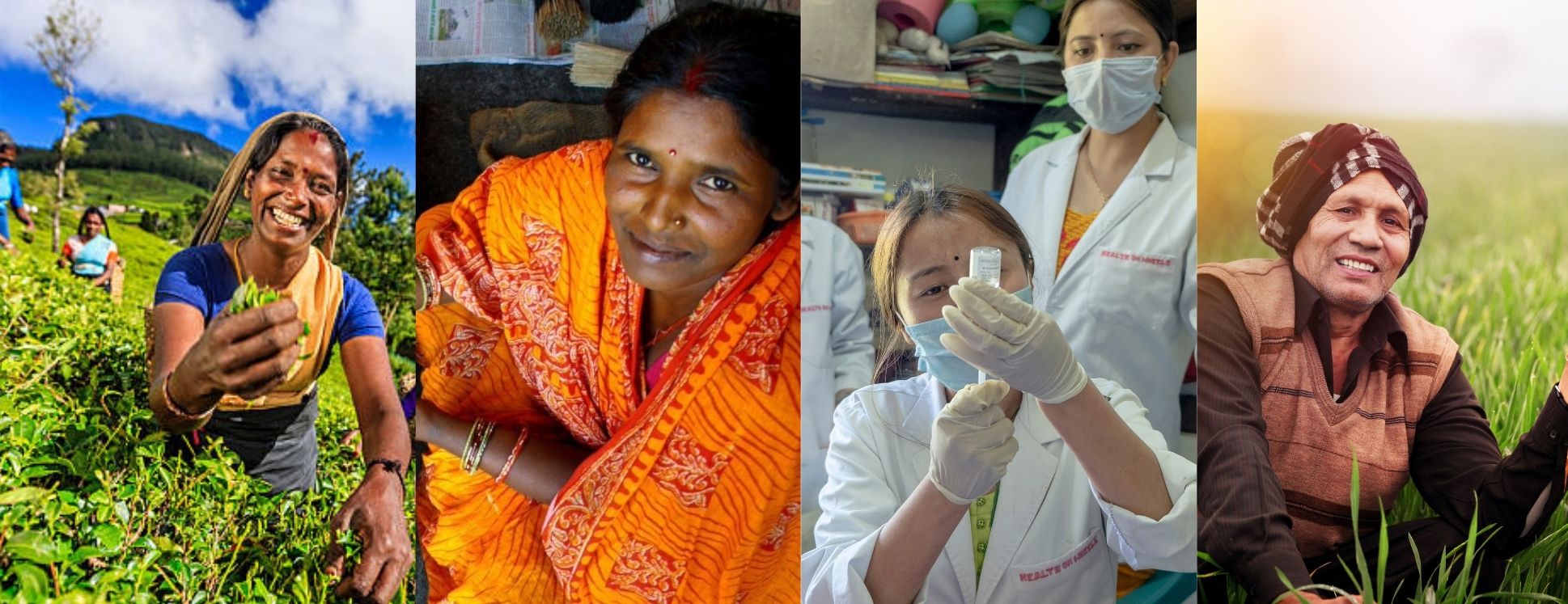
Socioeconomic Development
The concept of socioeconomic development refers to the progress made by a society in terms of improving the economic, social, and cultural well-being of its people. It involves the enhancement of living standards, access to basic services, and the reduction of poverty and inequality. Socioeconomic development is a crucial goal for any nation as it aims to ensure a better quality of life for its citizens and foster sustainable growth.
Poverty Reduction Strategies
One of the key challenges faced by developing countries is poverty. Poverty reduction strategies are implemented to address this issue and improve the living conditions of the poor. These strategies encompass a range of actions aimed at creating opportunities, enhancing access to resources, and promoting inclusive growth. They often involve social welfare programs, employment generation initiatives, and targeted interventions to uplift the marginalized sections of society.
Socioeconomic Impact Assessment
Assessing the impact of policies and programs on socioeconomic development is crucial to determine their effectiveness and make informed decisions. Socioeconomic impact assessment involves the evaluation of various indicators such as employment rates, income levels, access to education and healthcare, and overall well-being. It helps in identifying the positive and negative consequences of interventions and guides policymakers in refining their strategies to achieve desired outcomes.
Benazir Kafalat Program
The Benazir Kafalat Program (BKP) is a flagship social protection initiative launched by the Government of Pakistan with the aim of reducing poverty and empowering vulnerable segments of society. Named after the late Prime Minister Benazir Bhutto, the program provides direct cash transfers to deserving women and families, enabling them to meet their basic needs and improve their socio-economic status.
The BKP targets poor households across the country and focuses on women as primary beneficiaries to enhance their role in decision-making and economic activities. It aims to alleviate poverty by providing a safety net to those living below the poverty line and vulnerable to economic shocks and uncertainties. The program provides a regular income stream to recipients, allowing them to invest in education, health, and income-generating activities.
The BKP also incorporates a comprehensive poverty scorecard system to ensure transparent targeting and selection of beneficiaries. This system considers multiple dimensions of poverty, including household income, assets, access to services, and vulnerabilities. By employing a multidimensional approach, the program seeks to reach those who are most in need and provide them with the necessary support to improve their livelihoods.
The impact of the Benazir Kafalat Program on socioeconomic development has been significant. It has contributed to poverty reduction, increased financial inclusion, and empowered women in Pakistan. By providing direct cash transfers, the program has helped vulnerable families to fulfill their basic needs, such as food, healthcare, and education expenses.
Moreover, the program has had a positive effect on socioeconomic indicators, such as improved school enrollment and attendance rates among children from beneficiary households. By addressing financial barriers, the BKP has encouraged families to invest in their children's education, paving the way for a brighter future for the next generation.
The Benazir Kafalat Program has also played a crucial role in promoting gender equality and women's empowerment. By prioritizing women as beneficiaries, the program has not only provided them with financial support but also empowered them to make independent decisions and participate in economic activities. This has resulted in increased economic mobility, self-reliance, and improved social standing for women.
Furthermore, the program has stimulated local economies by injecting cash into marginalized communities. The increased purchasing power of beneficiaries has created demand for goods and services, thereby generating employment opportunities and promoting local entrepreneurship. This has had a ripple effect on the overall socioeconomic development of communities, leading to greater prosperity and well-being.
In conclusion, the Benazir Kafalat Program has had a profound impact on socioeconomic development in Pakistan. It has effectively reduced poverty, empowered women, and improved the lives of vulnerable families. Through its targeted approach and comprehensive poverty scorecard system, the program has ensured that assistance reaches those who need it the most. The success of the program highlights the importance of social protection initiatives in fostering inclusive growth and creating a more equitable society.