


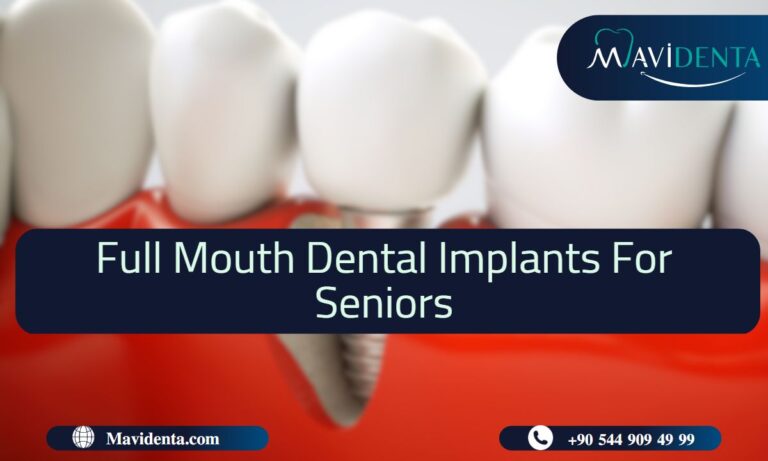
Dental implants are a permanent and long-lasting solution for replacing missing teeth. Unlike dentures or bridges, dental implants are designed to mimic the natural structure and function of your teeth. They consist of titanium posts that are surgically inserted into the jawbone, providing a sturdy foundation for replacement teeth. Dental implants not only restore your smile, but also improve your overall oral health and functionality.
Why Dental Implants are Ideal for Seniors
Seniors are particularly vulnerable to tooth loss due to a variety of factors, including weakened jawbones, gum disease, and age-related health conditions. Dental implants offer a multitude of benefits that make them an ideal choice for seniors:
- Improved Chewing Ability: Dental implants provide a stable and secure bite, allowing seniors to enjoy their favorite foods without discomfort or difficulty.
- Enhanced Speech: Tooth loss can affect speech clarity and pronunciation. Dental implants can restore speech patterns, ensuring seniors can communicate effectively.
- Prevention of Bone Loss: When teeth are lost, the jawbone can deteriorate over time. Dental implants stimulate bone growth and help maintain the natural structure of the jaw.
- Preservation of Facial Structure: Missing teeth can lead to sagging or sunken facial features. Dental implants support the facial structure, preventing premature aging.
- Improved Confidence and Self-esteem: Dental implants give seniors the ability to smile and speak confidently, boosting their overall self-confidence and quality of life.
Types of Dental Implants
There are various types of dental implants available, and the most suitable option depends on the individual's needs and oral health. Here are the common types of dental implants:
Endosteal Implants
Endosteal implants are the most commonly used dental implants. They involve surgically placing titanium posts directly into the jawbone. Once the jawbone has healed and fused with the implant, replacement teeth, such as crowns or bridges, can be attached. Endosteal implants are versatile and can be used to replace single or multiple missing teeth.
Subperiosteal Implants
Subperiosteal implants are an alternative to endosteal implants and are typically recommended for patients with shallow jawbones. Instead of being placed inside the jawbone, subperiosteal implants are inserted under the gum tissue, but above the jawbone. A metal framework is then positioned on top of the gum, and replacement teeth are attached. Subperiosteal implants are a suitable option for those who do not have enough bone mass to support traditional implants.
The Dental Implant Process
The dental implant process typically involves several stages and can span several months. Here's a general overview of what to expect:
1. Consultation and Treatment Planning
During the initial consultation, a dental implant specialist will evaluate your oral health, examine the structure of your jawbone, and discuss your specific needs and goals. They may also take dental impressions and X-rays to create a customized treatment plan.
2. Implant Placement
In the next stage, the dental implant posts will be surgically placed into your jawbone. Local anesthesia or sedation can be used to ensure your comfort during the procedure. After implant placement, a healing period is required to allow the implant to fuse with the jawbone.
3. Abutment Placement
After the implant has successfully integrated with the jawbone, an abutment will be attached to the implant. The abutment acts as a connector between the implant and the replacement tooth or teeth.
4. Restoration
Once the gum tissue has healed around the abutment, your dentist will create a custom-made crown, bridge, or denture to fit onto the abutment. The replacement tooth or teeth will be designed to blend seamlessly with your natural teeth, ensuring a natural-looking smile.
Considerations for Seniors
While dental implants are an excellent option for seniors, there are a few factors to consider before undergoing the procedure:
- Overall Health: It is crucial for seniors to have a comprehensive evaluation of their overall health before receiving dental implants. Certain medical conditions and medications can affect the success of the implant.
- Bone Density: Adequate bone density is necessary to support dental implants. If a senior's jawbone lacks the required density, bone grafting or alternative implant options may be recommended.
- Oral Hygiene: Maintaining good oral hygiene is crucial for the success and longevity of dental implants. Seniors should be committed to regular brushing, flossing, and dental check-ups.
Cost of Dental Implants
The cost of dental implants can vary based on factors such as the number of implants, the need for additional procedures (such as bone grafting), and the location of the dental practice. While dental implants may require a higher initial investment compared to other tooth replacement options, their longevity and natural appearance make them a worthwhile investment in the long run.
Conclusion
Dental implants provide seniors with a safe, effective, and long-lasting solution for aging tooth loss. They offer numerous benefits, including improved chewing ability, enhanced speech, prevention of bone loss, and preservation of facial structure. By understanding the different types of dental implants and considering individual factors, seniors can make informed decisions about their oral health and overall well-being. If you're a senior experiencing tooth loss, consult with a dental implant specialist to explore the best solutions for you. Remember, a beautiful and functional smile is always within reach!


Get the best dental implants in Delhi at Dr. Kandhari’s Skin and Dental Clinic.
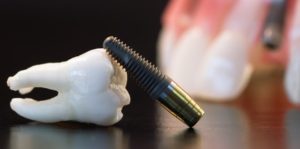
Dental implants are artificial tooth roots that act as a strong base for permanent or removable replacement teeth.
They are the alternatives for dentures and bridges and are used to treat people with missing or damaged teeth.
A dental implant structure comprises of a titanium screw that is inserted into the jawbone to integrate with it, an abutment (in the middle to support the metal post and teeth), and a customized false tooth (on top).
There are many benefits of having a dental implant, including improved speech, appearance, comfort, oral health, and self-esteem.
Dental implants are convenient to use, durable, and allow easy chewing of food.