Cell therapy, also known as cellular therapy, is a type of therapy where viable cells are injected, grafted or implanted into a patient in order to treat a disease, replace a nonfunctional tissue or organ, or facilitate tissue growth and regeneration. Cell therapy holds promise to treat many degenerative diseases including heart disease, diabetes, Parkinson's disease, and other neurological disorders. By harnessing the natural healing properties of stem cells, scientists hope to develop new ways to repair damaged tissues and restore normal function in conditions where it has been lost. Here we take a look at what this emerging field involves and discuss some of its therapeutic applications and future potential.
Stem Cell Therapy Basics
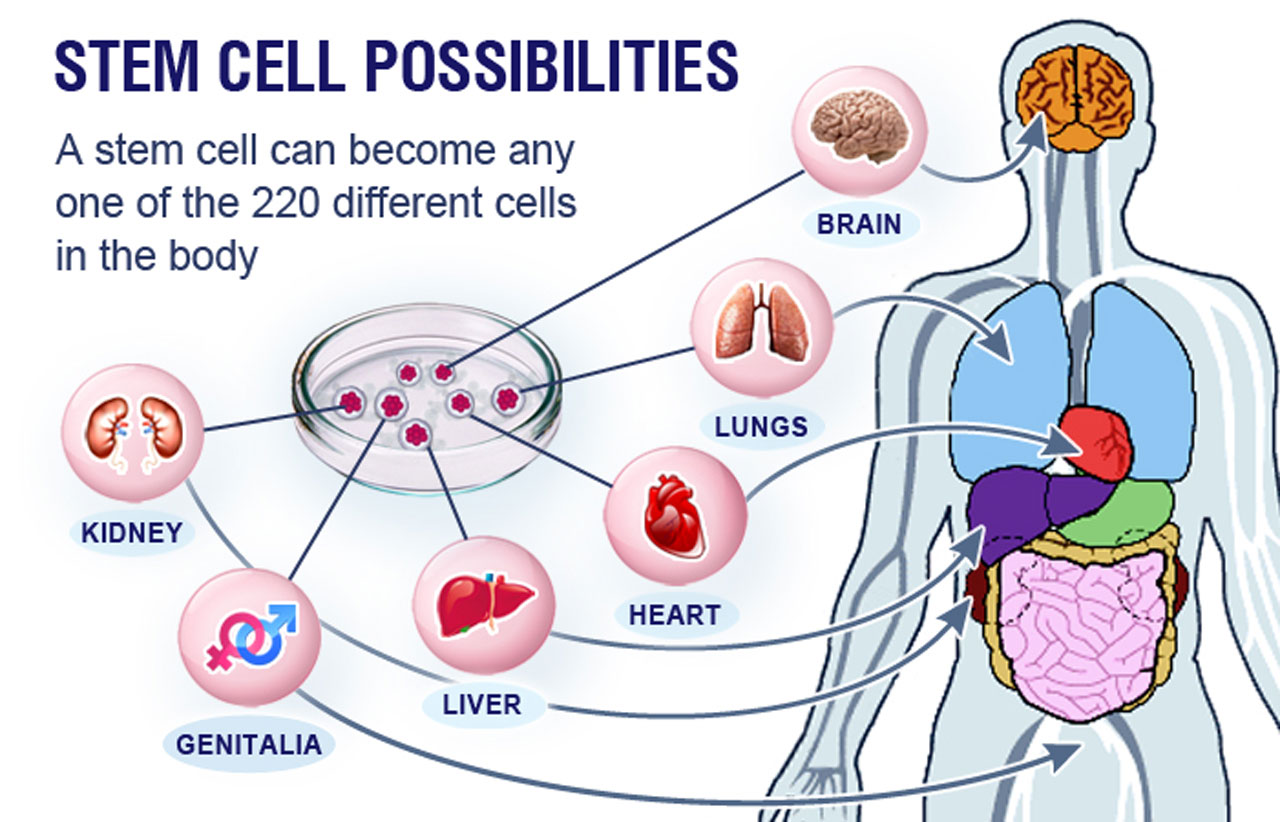
Stem cells hold the potential to revolutionize medicine. They can differentiate into other types of cells and potentially repair or replace malfunctioning cells and tissues. There are different types of stem cells that are used in research and therapy:
- Embryonic stem cells - Derived from embryos 4-5 days old, they are pluripotent, meaning they can develop into any type of cell of the body. They are controversial due to ethical concerns.
- Adult stem cells - Found in adult tissues like bone marrow, blood, brain etc. They are multipotent, meaning they generate fewer cell types as compared to embryonic stem cells. Adult stem cell therapies are gaining popularity due to fewer ethical issues.
- Induced pluripotent stem (iPS) cells - Adult cells reprogrammed to an embryonic stem cell-like state. iPS cells sidestep ethical issues and also hold the promise of personalized medicine as they can be generated from patient's own cells.
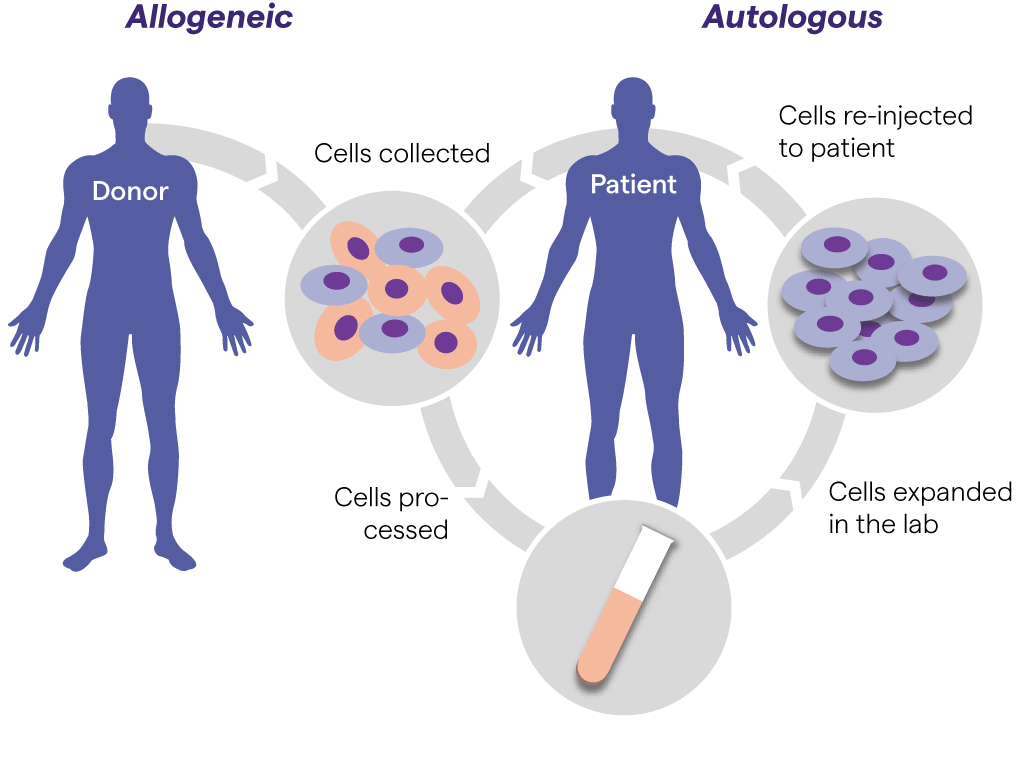
The therapeutic use of stem cells involves extracting them from a donor source, growing them in special culture media, and inserting/transplanting them into patients where they integrate with the damaged tissues to repair and replace dead/dysfunctional cells. Considerable research is ongoing to fully understand the mechanisms and maximize the potential of stem cells for disease treatments.
Current Applications
Some approved stem cell therapies currently available or in late-stage clinical trials include:
Bone Marrow Transplantation
Bone marrow transplantation using hematopoietic stem cells from bone marrow, blood or umbilical cord blood is a well-established procedure to treat various blood cancers like leukemia and lymphomas. It can also be used for treating some genetic, metabolic and immune disorders.
Cartilage Repair
For conditions like osteoarthritis that damage cartilage, tissue engineering approaches are being explored using chondrocytes from a patient's own cartilage. Clinical trials have shown stem cell injections reduce pain and disability for patients with knee arthritis.
Heart Disease
Stem cell therapy is being evaluated for cardiac repair after a heart attack. Bone marrow or blood-derived stem cells have shown to decrease scarring and improve heart function post myocardial infarction in some trials. Larger studies are ongoing.
Diabetes Treatment
Transplanting pancreatic islets or stem cell-derived insulin producing beta cells could potentially provide a cure for diabetes. While islet transplantation remains experimental, clinical trials of stem cell-derived beta cells are underway. Challenges around graft rejection and stable insulin independence persist.
Neurological Disorders
For numerous neurodegenerative diseases like Parkinson's and Alzheimer's with no cure, stem cell research offers hope. Early clinical trials evaluating safety of stem cell injections for Parkinson's have shown promising results. Other potential applications include using stem cells to repair spinal cord injuries.
Therapeutic Challenges and Future Prospects
While cell therapy approaches are conceptually attractive, bringing them into widespread clinical use faces regulatory, logistic, immunological and technical hurdles. Ensuring safety, efficacy, quality control and scalability are important prerequisites before therapies can progress beyond testing. Understanding stem cell biology better especially factors controlling cell specialization and interaction with the host microenvironment is critical. With continued basic research coupled with well-designed clinical studies, many see stem cell therapy becoming a regular part of clinical practice in the future, with the potential to transform treatment landscapes for some major diseases currently lacking therapies.
Get More Insights Here
https://masstamilan.tv/asean-organic-cosmetics-market-trends-opportunities-and-growth-potential/
https://www.pressreleasebulletin.com/the-science-of-cell-therapy/