


Privacy considerations for chatbots
When it comes to building a privacy-focused document reader and chatbot, there are several important considerations to keep in mind. In today's digital era, where data breaches and privacy concerns are constantly making headlines, it is crucial to prioritize the privacy and security of user information. This article will explore some key privacy considerations for chatbot development and provide insights into secure document reading methods.
Secure document reading methods
One of the essential aspects of building a privacy-focused document reader is implementing secure reading methods. Here are a few best practices:
- End-to-end encryption: It is crucial to encrypt the communication between the chatbot and the document reader to ensure that sensitive information remains confidential. Implementing industry-standard encryption protocols can help safeguard the data and prevent unauthorized access.
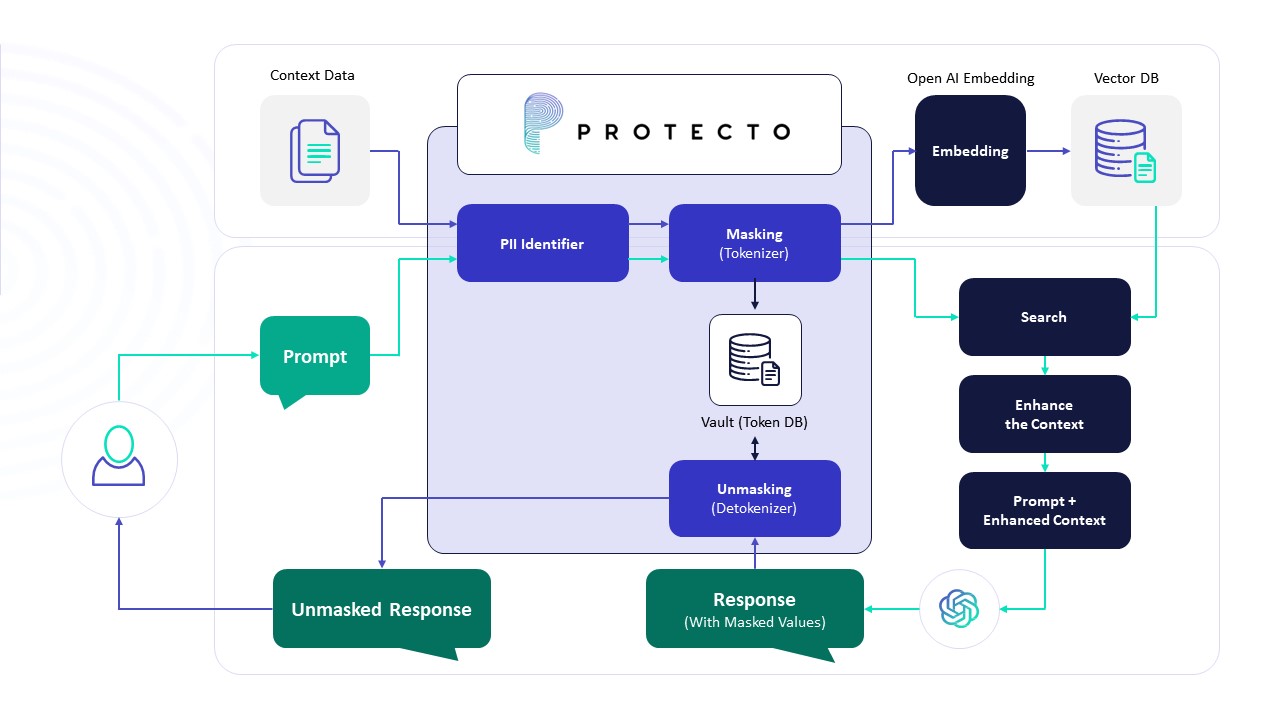
- Data anonymization: To further enhance privacy, consider implementing data anonymization techniques. By removing personally identifiable information from the document before processing it with the chatbot, you minimize the risk of data breaches and protect user privacy.
- Access control: Implement robust access control mechanisms to regulate who can access the document reader and the chatbot. Limiting access to authorized personnel, along with implementing secure authentication measures, helps prevent unauthorized access and potential data leaks.
- Regular security auditing: Conduct regular security audits to identify vulnerabilities and address any potential risks proactively. Keep the document reader and chatbot systems up to date with the latest security patches and follow industry standards to ensure a secure environment for user data.
Chatbot privacy best practices
Alongside secure document reading methods, there are also privacy best practices that should be followed when developing a chatbot:
- Data minimization: Collect only the data that is necessary for the chatbot to function effectively. Minimizing the collection of personal information reduces the risk of data breaches and demonstrates a commitment to user privacy. Consider anonymizing or pseudonymizing data wherever possible.
- Obtaining user consent: Prioritize obtaining clear and informed consent from users before collecting any personal information. Provide transparent information about how the data will be used and assure users that their privacy is a priority.
- User data storage: When storing user data, implement robust security measures. Utilize encryption techniques to protect sensitive information, and consider adopting a privacy-centric approach by implementing privacy-enhancing technologies such as differential privacy.
- Regularly revisiting privacy policies: Keep your privacy policies up to date and make them accessible to users. Clearly communicate how their data will be handled and outline the steps taken to protect their privacy.
In conclusion, building a privacy-focused document reader and chatbot requires attention to several key considerations. By implementing secure document reading methods and following privacy best practices for chatbot development, you can ensure the confidentiality and privacy of user information. Prioritizing user privacy not only helps build trust and confidence but also complies with legal requirements and industry standards. Remember, privacy should never be an afterthought - it should be integrated from the beginning of the development process to deliver a secure and reliable user experience.


Online messaging holds your most private conversations.
Whether it’s about your work secrets or personal life, you share everything online.Since online chats involve an intense level of personal details, therefore, no one wants the conversation to be viewed by the government, advertisers, or any third-party or cybercriminal.The text above is a summary, you can read the full article here.