

Introduction:
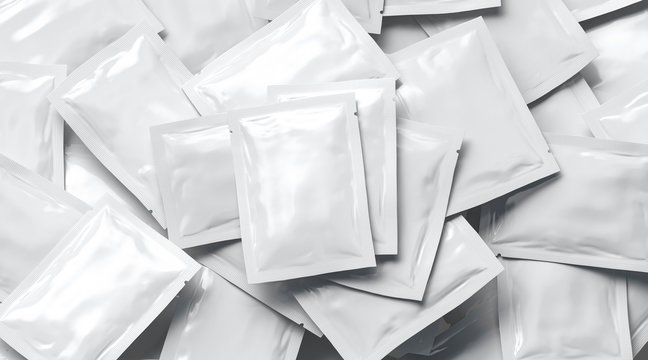
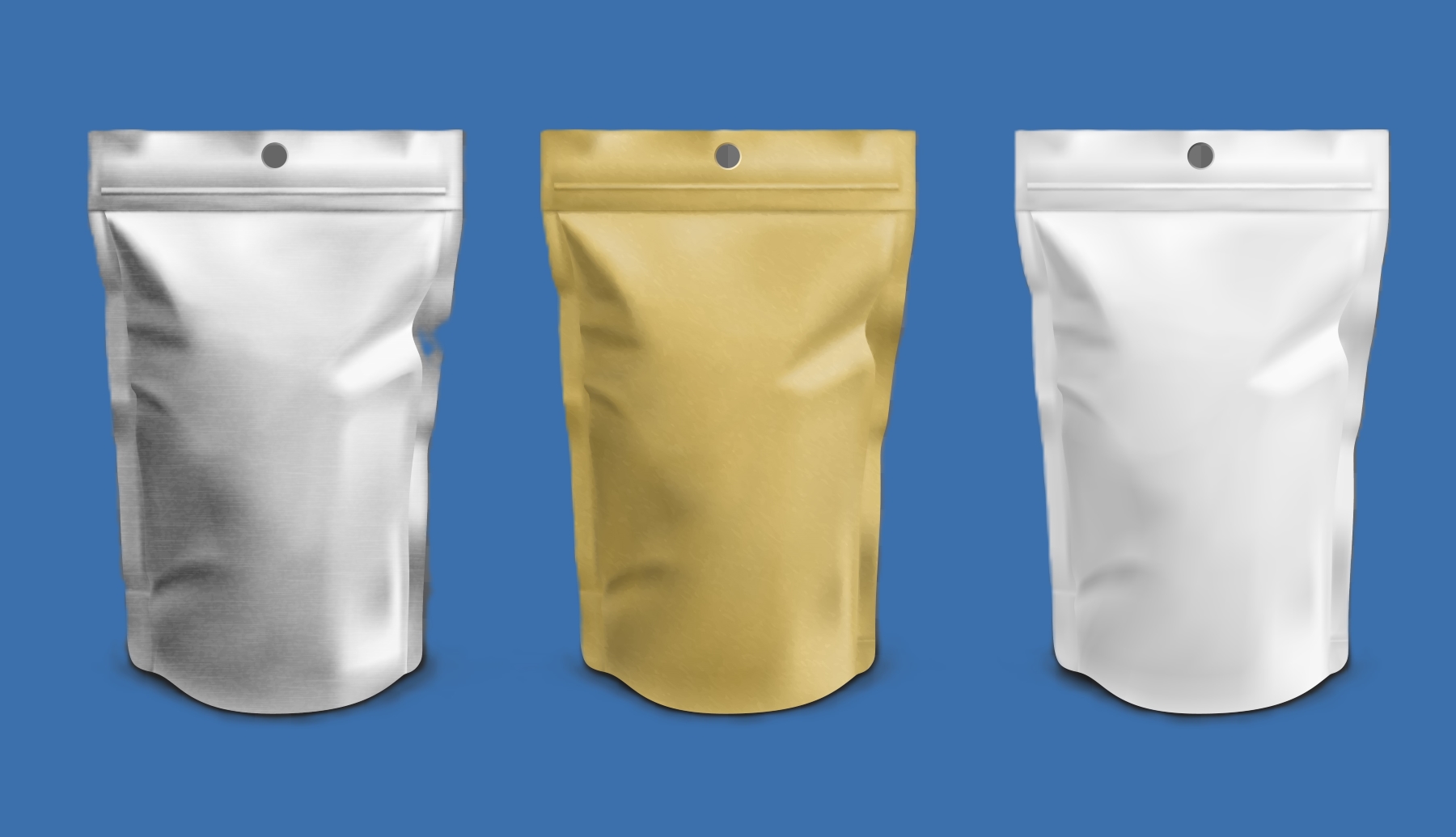
Sachets are popular packaging solutions for a wide range of products, including food, pharmaceuticals, cosmetics, and household chemicals. These convenient single-use packets provide portability, portion control, and freshness for consumers, but their effectiveness depends on the integrity of the seals that keep the contents secure. In this blog post, we'll delve into the importance of sachet seal integrity testing, exploring its significance in maintaining product quality, safety, and consumer confidence.
Preserving Product Freshness:
The primary function of sachet seal integrity testing is to ensure that the seals effectively prevent the ingress of air, moisture, and contaminants, thereby preserving the freshness and quality of the packaged product. Any compromise in seal integrity can lead to exposure to oxygen, humidity, or microorganisms, resulting in spoilage, degradation, or loss of efficacy. By conducting rigorous seal integrity testing, manufacturers can identify and address potential issues early in the production process, minimizing the risk of product spoilage and ensuring that consumers receive products of the highest quality.
Preventing Leakage and Contamination:
Sachet seal integrity is critical for preventing leakage and contamination, which can compromise product safety and consumer satisfaction. A faulty seal may allow the contents to leak out, leading to product waste, mess, and potential hazards. Moreover, a compromised seal can allow external contaminants to enter the sachet, posing risks to consumer health and safety. Seal integrity testing helps manufacturers detect and rectify seal defects, ensuring that products are securely sealed and protected from external factors throughout their shelf life.
Regulatory Compliance:
In many industries, including food, pharmaceuticals, and cosmetics, regulatory authorities impose stringent requirements for product packaging and seal integrity to ensure consumer safety and compliance with quality standards. Failure to meet these requirements can result in product recalls, fines, and damage to brand reputation. Sachet seal integrity testing helps manufacturers demonstrate compliance with regulatory requirements by providing documented evidence of seal quality and reliability. By adhering to regulatory standards, manufacturers can instill trust and confidence in their products among consumers and regulatory agencies alike.
Quality Assurance and Brand Reputation:
Sachet seal integrity testing is an essential aspect of quality assurance programs designed to uphold product quality, consistency, and reliability. By implementing robust testing protocols, manufacturers can identify and address seal integrity issues before products reach the market, reducing the likelihood of customer complaints, returns, and negative reviews. Furthermore, maintaining high standards of seal integrity reinforces brand reputation and consumer trust, as consumers associate securely sealed sachets with quality, safety, and reliability. Investing in seal integrity testing demonstrates a commitment to product excellence and consumer satisfaction, enhancing brand loyalty and market competitiveness.
Types of Seal Integrity Testing:
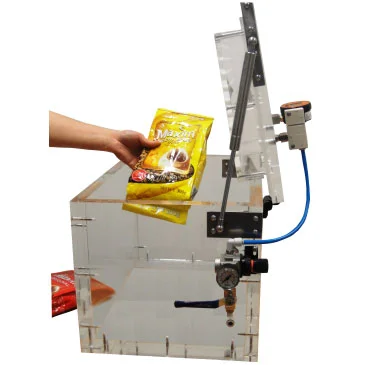
Seal integrity testing methods vary depending on factors such as the type of packaging material, product characteristics, and production volume. Common techniques include visual inspection, leak testing using pressure differentials or vacuum chambers, burst testing, dye penetration testing, and seal strength testing using mechanical or electronic methods. Each method offers unique advantages and limitations, and manufacturers may employ multiple testing approaches to ensure comprehensive seal integrity assessment.
Conclusion:
In conclusion, sachet seal integrity testing is a critical component of quality control and assurance in packaging operations across various industries. By verifying the effectiveness of seals in preventing leakage, contamination, and spoilage, manufacturers can uphold product quality, safety, and regulatory compliance while safeguarding brand reputation and consumer trust. As the demand for convenient and portable packaging solutions continues to grow, the importance of seal integrity testing will remain paramount in ensuring the integrity and reliability of sachet-packaged products for consumers worldwide.