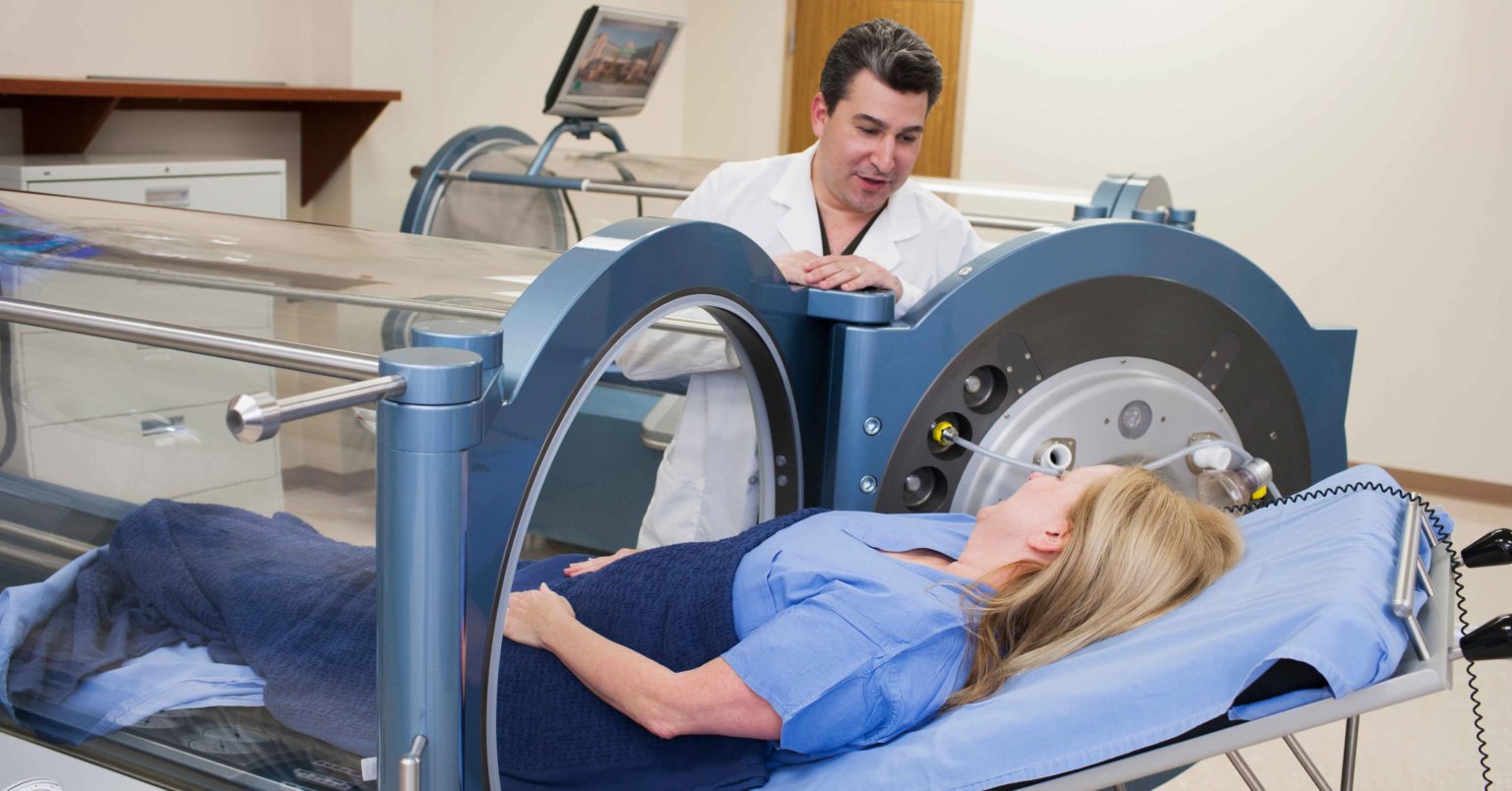
Oxygen therapy is a treatment that provides supplemental oxygen to people who suffer from low oxygen levels in their blood. Known as hypoxemia, low oxygen levels in the blood can significantly impact health and quality of life. Oxygen therapy aims to relieve symptoms associated with various conditions that may cause hypoxemia. By carefully increasing oxygen levels, this treatment method provides important benefits.
What is Oxygen Therapy?
Oxygen therapy involves administering extra oxygen through devices that deliver it to the lungs and bloodstream. There are several delivery methods, including:
- Nasal cannula: A tubing system that provides oxygen through small prongs placed inside the nostrils. This is a common method for low-flow oxygen delivery.
- Oxygen face mask: A plastic mask that fits over the nose and mouth to deliver higher oxygen flow rates than a nasal cannula.
- Oxygen tent: A flexible enclosed structure that covers the head and upper body to maintain higher oxygen levels around the patient.
- Liquid oxygen systems: Portable units that deliver prescribed oxygen from pressurized liquid oxygen tanks through tubing and cannulas or masks.
The prescribed oxygen delivery rate and method depends on factors like the medical condition, severity of symptoms, and mobility needs of the patient. Home oxygen therapy allows for continuous treatment at prescribed rates during sleeping and daily activities.
Target Conditions for Oxygen Therapy
Some common medical conditions for which supplemental oxygen therapy may be prescribed include:
Chronic Obstructive Pulmonary Disease (COPD):
COPD refers to a group of progressive lung diseases including chronic bronchitis and emphysema. These diseases damage lung tissue over time and make it difficult to breathe, commonly resulting in hypoxemia. Oxygen therapy has been shown to improve symptoms and quality of life in COPD patients with low blood oxygen levels at rest.
Cystic Fibrosis:
This genetic disease causes thick, sticky mucus to build up in the lungs and digestive tract. In later stages, lung damage leads to recurrent lung infections and difficulty breathing. Oxygen Therapy is often required to maintain adequate blood oxygen saturation, especially during acute lung infections.
Pneumonia:
Bacterial or viral pneumonia causes inflammation in the lungs which makes breathing difficult and reduces oxygen exchange. Supplemental oxygen therapy helps increase oxygen levels until the pneumonia improves with antibiotics or the immune system clears the infection.
Pulmonary Fibrosis:
Scarring and inflammation of lung tissue from conditions like idiopathic pulmonary fibrosis make the lungs stiff and reduce their ability to efficiently absorb oxygen from breathed air. Oxygen therapy compensates for this impaired gas exchange.
Heart and Lung Diseases:
Conditions affecting the heart and lungs together like congestive heart failure, pulmonary hypertension, pulmonary embolism, lung cancer and more can all benefit from oxygen therapy to support oxygen delivery to tissues when blood oxygen levels decrease.
Benefits of Maintaining Adequate Oxygen Levels
Providing supplemental oxygen as prescribed by doctors delivers important symptomatic and clinical benefits. Some key advantages of oxygen therapy include:
- Relief from shortness of breath and breathing difficulties: Higher oxygen levels in the blood help the body meet its oxygen needs and reduce respiratory distress.
- Improved exercise capacity: Supplemental oxygen allows patients to be more active by preventing oxygen desaturation during physical exertion.
- Better lung functioning: Providing optimum oxygen levels is thought to protect lung cells from extra strain and limit progressive lung damage over time.
- cardioprotective effects: Conditions impacting oxygen delivery to the heart benefit from therapy to reduce risks of heart failure, arrhythmias and other cardiac complications.
- Neurocognitive protection: Evidence suggests oxygen therapy may protect brain functioning in chronic lung diseases by ensuring optimum brain oxygenation.
- Infection resistance: Adequate oxygen levels support the immune system response to invading pathogens in lungs.
- Symptom management: By targeting the underlying cause of symptoms like breathlessness and fatigue, oxygen therapy can improve quality of life.
Key Considerations for Oxygen Therapy
While oxygen therapy is usually safe and well-tolerated, some considerations must be kept in mind:
- Oxygen is a drug: It must only be used as prescribed at the right flow rate to avoid risks. Too much oxygen can paradoxically damage tissues over time.
- Safety: Oxygen sources and delivery devices require careful handling to prevent fires, explosions, uncontrolled leaks and injury.
- Portability: Liquid oxygen systems allow mobility but cylinders must be managed safely per regulations.
- Adherence: Therapy needs to be faithfully followed as directed for optimal clinical effectiveness. Non-compliance limits benefits.
- Duration: Most insurance covers oxygen therapy only if needed for 12+ hours daily to qualify as medically necessary long-term oxygen.
- Costs: Medical grade oxygen and delivery devices have significant associated costs. Insurance approval is needed for coverage.
When administered carefully and properly as part of the treatment plan for qualifying conditions, oxygen therapy provides crucial support to maintain or improve lung health. Its life-extending and symptom-relieving properties help patients with a variety of chronic and acute lung diseases. With good adherence and management of precautions, this treatment continues to aid millions worldwide annually.
Explore more information on this topic, Please visit -
https://www.newswirestats.com/oxygen-therapy-growth-and-outlook-analysis/
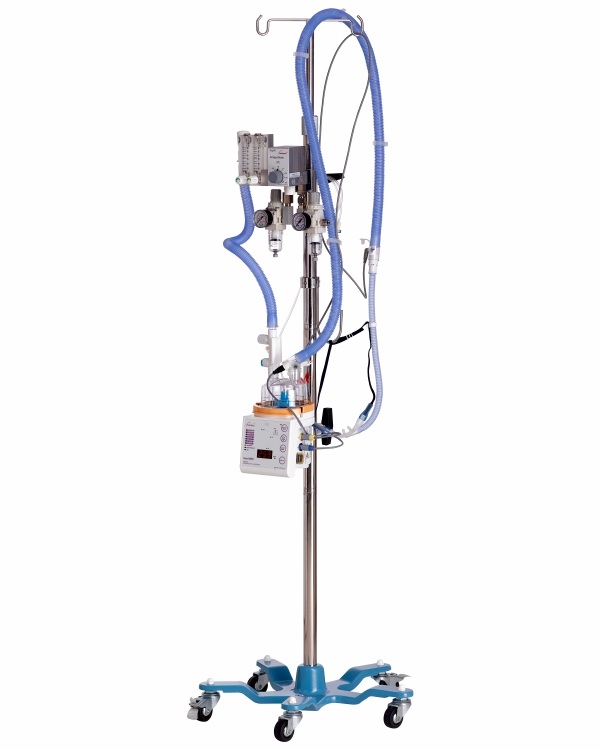

Oxygen Therapy Systems Market Comprehensive Study is an expert and top to bottom investigation on the momentum condition of the worldwide Global Oxygen Therapy Systems market industry with an attention on the Global market.
The report gives key insights available status of the Global Oxygen Therapy Systems producers and is an important wellspring of direction and course for organizations and people keen on the business.
By and large, the report gives an inside and out understanding of 2020-2025 worldwide Oxygen Therapy Systems Market covering extremely significant parameters.Brief Summary of Oxygen Therapy Systems:Oxygen therapy system provides oxygen at a concentration pressure greater than that is found in the environmental atmosphere.
Many biochemical reactions in the body depend on the use of oxygen.
Supply of oxygen to the tissues depends on many factors like ventilation, diffusion across alveolar-capillary membrane, haemoglobin, cardiac output, and tissue perfusion.
Oxygen therapy system is required for respiratory failure in many conditions like severe asthma, chronic bronchitis, pneumonia, and myocardial infarction, etc.