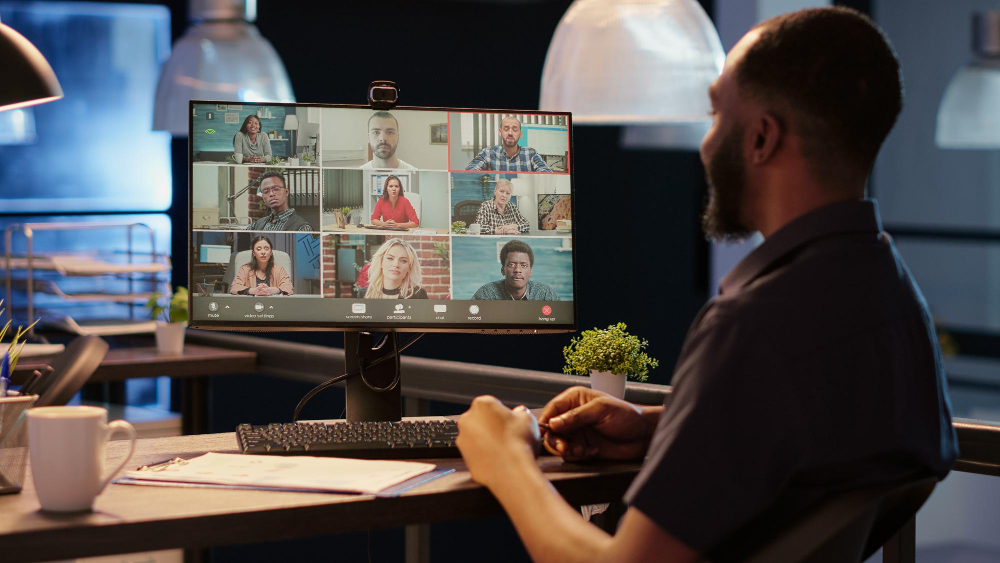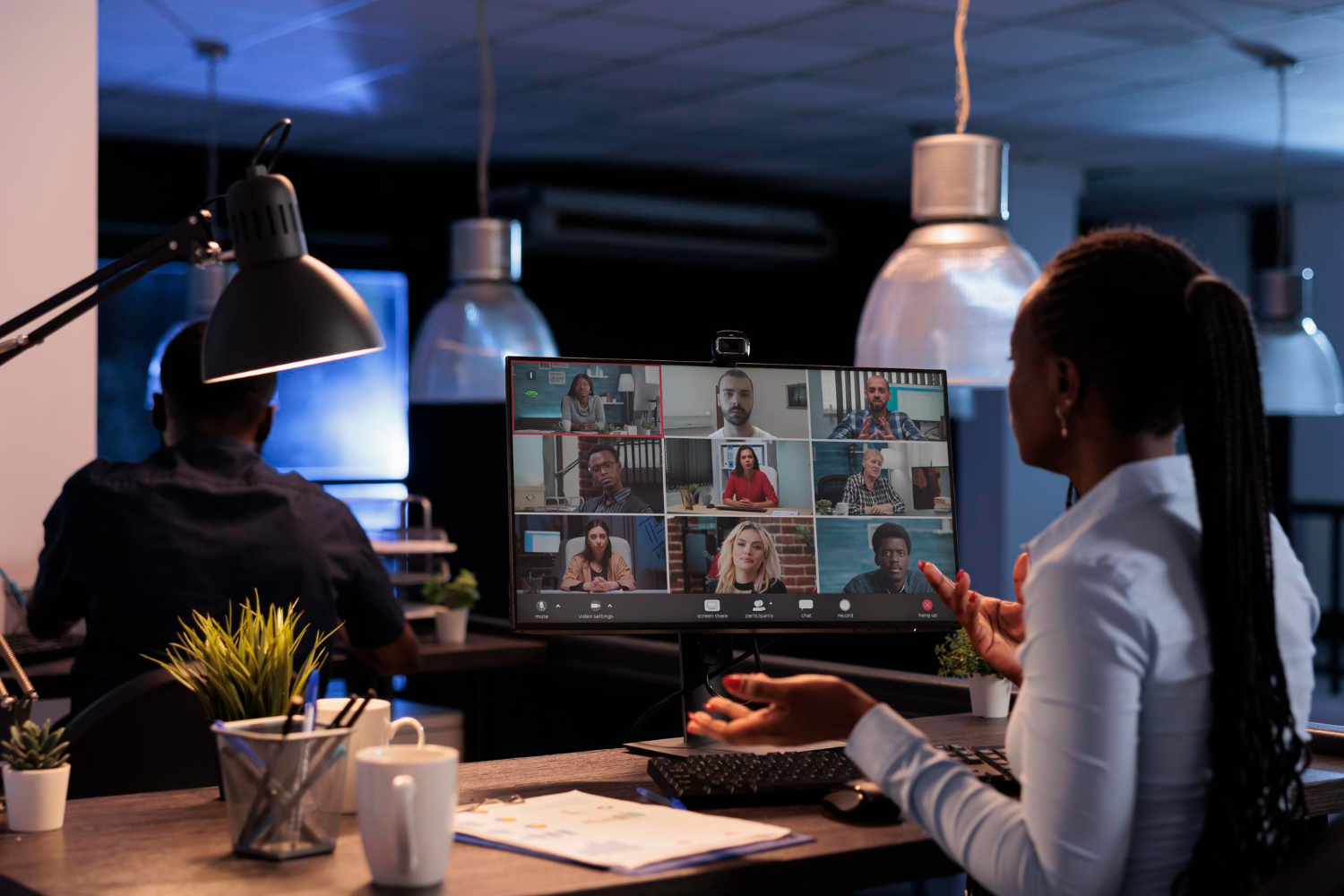
In the rapidly evolving landscape of virtual communication, webcasting has emerged as a powerful tool for connecting with audiences across the globe. However, the effectiveness of webcasting hinges on strategic planning, flawless execution, and an understanding of potential pitfalls. In this guide, we'll explore five common mistakes in webcasting and provide insights on how to rectify them, ensuring your virtual events shine with professionalism and engagement.
1. Ignoring the Power of 3D Virtual Events Platforms
Mistake: Overlooking Immersive Experiences
In the quest for impactful webcasting, some organizers overlook the potential of 3D virtual events platforms. Failing to leverage the immersive capabilities of these platforms can result in a lackluster experience for attendees, missing the opportunity to create memorable and engaging virtual environments.
Fix: Embrace 3D Virtual Events Platforms
Integrate a 3D virtual events platform to elevate the viewer experience. These platforms offer interactive elements, customizable virtual spaces, and enhanced engagement features. By embracing the immersive potential of 3D, organizers can captivate audiences and create a dynamic virtual atmosphere that rivals the engagement of physical events.
2. Neglecting Professional Webcasting Services
Mistake: Opting for Subpar Solutions
Cutting corners on webcasting services can be a costly mistake. Some organizers choose budget-friendly options without considering the impact on video quality, reliability, and additional features essential for a seamless webcasting experience.
Fix: Invest in Professional Webcasting Services
Prioritize quality by investing in professional webcasting services. These services often offer advanced features such as HD video streaming, secure transmission, and interactive elements that enhance audience engagement. While cost-effective solutions may seem appealing, the value of a professional webcasting service cannot be overstated in ensuring a polished and reliable virtual event.
3. Overlooking Technical Rehearsals
Mistake: Skipping Pre-Event Checks
Technical glitches can quickly derail a webcast, leading to frustration among participants and tarnishing the credibility of the event. Neglecting to conduct thorough technical rehearsals is a common oversight that can result in unforeseen issues during the live broadcast.
Fix: Prioritize Technical Rehearsals
Conduct comprehensive technical rehearsals well in advance of the live webcast. Test all equipment, internet connections, and audio-visual elements to identify and address potential issues. A run-through allows organizers to familiarize themselves with the platform, troubleshoot any challenges, and ensure a smooth and error-free live event.
4. Underestimating Audience Interaction
Mistake: Neglecting Engagement Opportunities
Webcasts aren't one-way broadcasts; they thrive on audience interaction. Some organizers make the mistake of underestimating the importance of engaging attendees, resulting in a passive viewing experience that fails to capitalize on the interactive potential of virtual events.
Fix: Foster Audience Interaction
Incorporate interactive elements such as live Q&A sessions, polls, and chat features to encourage audience participation. Engaged attendees are more likely to retain information and have a positive perception of the event. Leverage the tools provided by your webcasting platform to foster real-time interactions and create a dynamic virtual space that mirrors the energy of in-person gatherings.
5. Neglecting Post-Event Analysis
Mistake: Overlooking the Learning Curve
The conclusion of a webcast doesn't mark the end of its impact. Neglecting post-event analysis is a common oversight that can hinder the ability to learn from the experience and improve future webcasts.
Fix: Embrace Post-Event Analysis
Gather feedback from participants through surveys and analytics tools to assess the success of your webcast. Analyze viewership data, audience engagement metrics, and participant feedback to identify areas for improvement. Embracing a continuous improvement mindset based on post-event analysis ensures that each subsequent webcast is more refined and effective.
In Conclusion: Elevating Your Webcasting Game
Webcasting, when done right, has the power to transcend physical boundaries and deliver impactful virtual experiences. By avoiding common mistakes such as neglecting 3D virtual events platforms, opting for professional webcasting services, overlooking technical rehearsals, underestimating audience interaction, and neglecting post-event analysis, organizers can elevate their webcasting game and create immersive and successful virtual events. With a strategic approach and a commitment to continuous improvement, webcasting can be a powerful tool for connecting, engaging, and leaving a lasting impression on your audience.