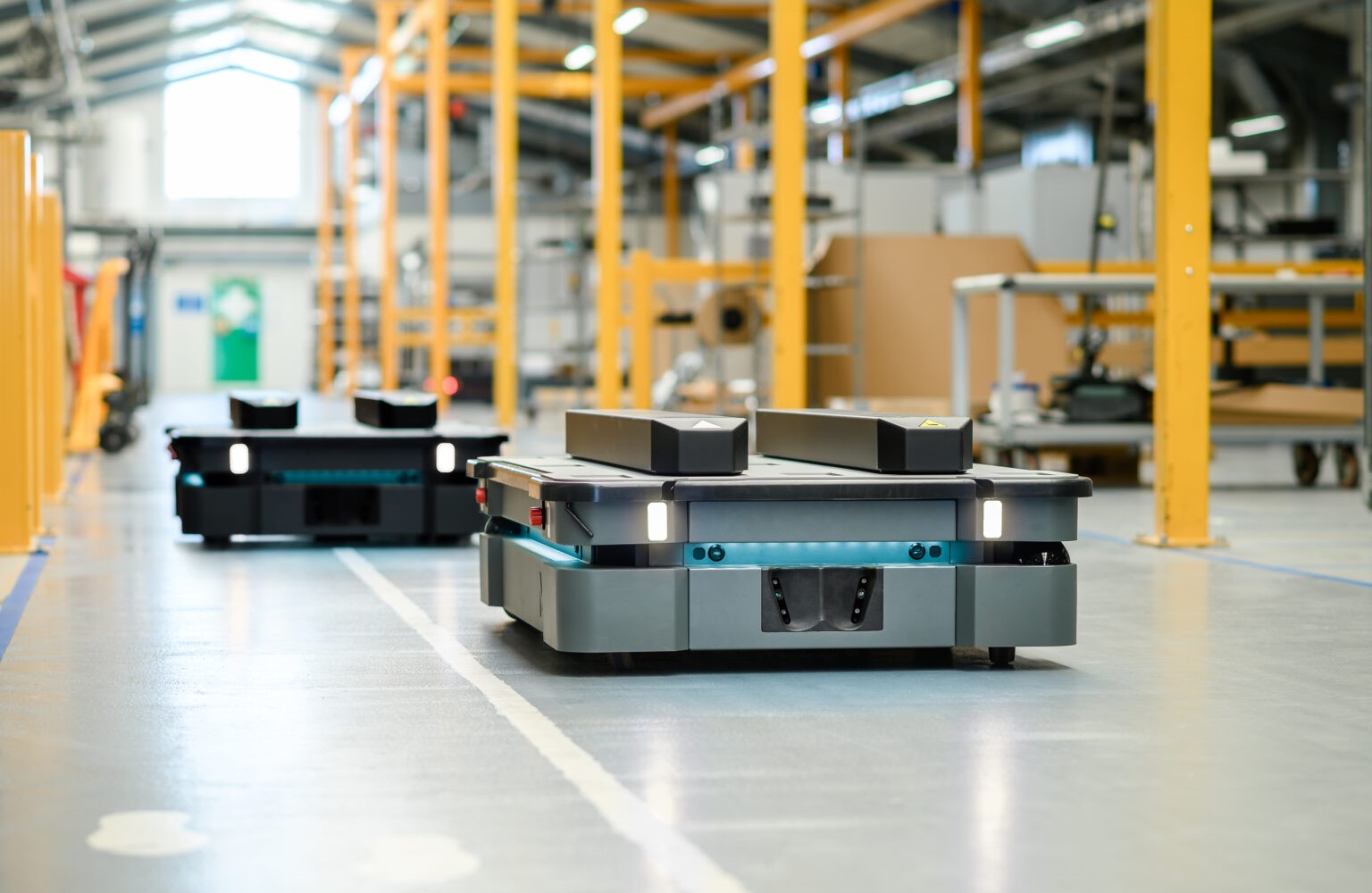
Autonomous mobile robots (AMRs) are robots that can move around in the real-world without a fixed path or tracks. AMRs have advanced sensing, controls, and navigation capabilities that allow them to function without human intervention. They are poised to transform industries and create unprecedented automation.
What is an Autonomous Mobile Robot?
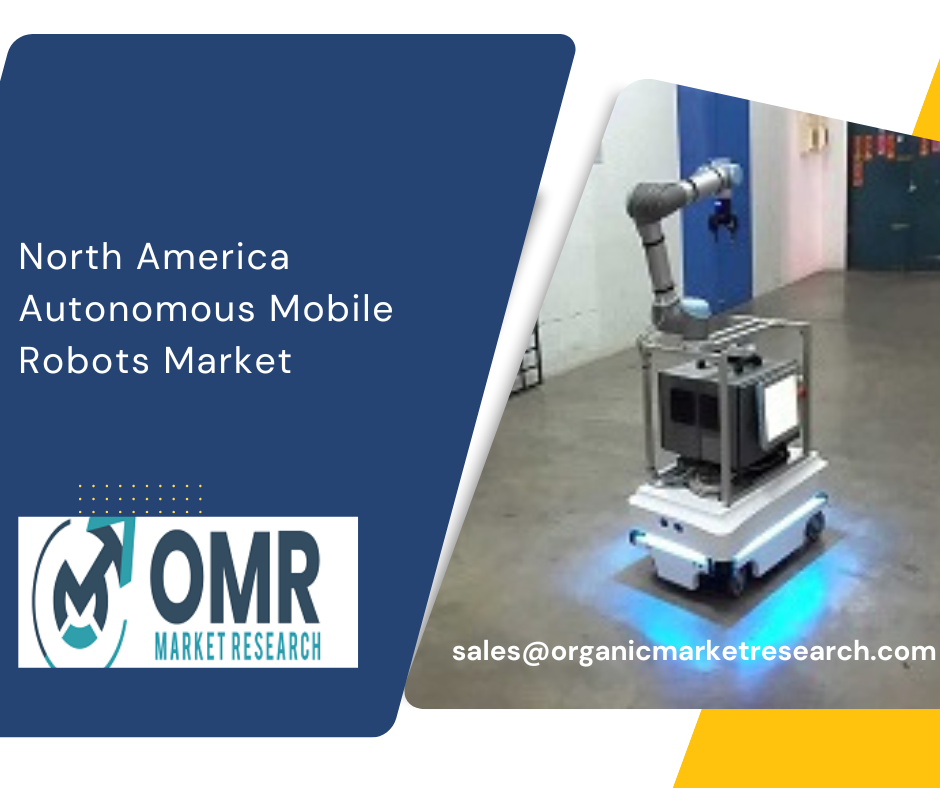
An autonomous mobile robot is a robotic system that can function without human supervision. It uses sensors like cameras, lasers, and more to perceive its environment and navigate on its own. Advanced algorithms allow AMRs to build maps, determine their location within these maps, and make decisions about how to reach goal destinations while avoiding obstacles.
Autonomous Mobile Robot can be wheeled or legged and are typically designed for logistical applications like transportation, inventory management, and material handling. They use advanced technologies like deep learning, computer vision, simultaneous localization and mapping (SLAM) to move autonomously across dynamic environments. Unlike conventional industrial robots which operate within cages for safety, AMRs can safely and flexibly operate alongside humans in factories, warehouses, and other spaces.
Capabilities of Autonomous Mobile Robots
Autonomous navigation: AMRs utilize sensors, algorithms and processing power to navigate complex environments without any external guidance. Their SLAM capabilities allow them to create and update maps of spaces dynamically.
Object detection and manipulation: AMRs are designed to identify, pickup and transport various objects using computer vision, perception algorithms and grippers/conveyors. This enables capabilities like mobile order picking, sortation and delivery.
Fleet management: Multiple autonomous robots can work collaboratively and be centrally managed through cloud-based fleet management systems. Their routes, schedules, payloads etc. can be synchronized in real-time for maximum efficiency.
Payloads and customization: AMRs can be customized with different types of payloads like shelving units, small conveyors etc. based on their intended application. This increases their flexibility.
Self-diagnosis and repair: Advanced AMRs have the capability to self-diagnose issues, and autonomously navigate to designated repair stations for swapping out faulty components. This significantly reduces downtime.
Human-robot collaboration: Through technologies like computer vision, AMRs can perceive and safely navigate around humans. This enables new opportunities for collaboration between robots and human workers.
Potential Applications of Autonomous Mobile Robots
Warehousing and fulfillment: AMRs are ideally suited for logistical applications in warehouses and fulfillment centers. They can automatically transport inventory, consolidate pick batches, and fulfill orders much faster than traditional forklifts or carts.
Manufacturing: On factory floors, AMRs can transport materials, parts and tools between workstations. This reduces bottlenecks and improves throughput in production lines. They also enable just-in-time manufacturing approaches.
Healthcare: In hospitals, AMRs can delivery medical supplies, pharmaceuticals, sterile goods and transport samples for testing. This reduces turnaround times and improves efficiency of healthcare operations.
Retail: For e-commerce retailers, AMRs efficiently consolidate customer orders for shipping from the backroom to loading docks. In stores, they can stock shelves and assist shoppers by providing directions.
Hospitality: Hotels are exploring AMRs to deliver amenities like towels, toiletries and laundry to rooms contactless. They can also transport linens between floors to be cleaned or restocked.
Future of Work with Autonomous Mobile Robots
As AMRs become more commonplace across industries, they are poised to automate a variety of logistical roles currently performed by human workers. While this could reduce some jobs, it will also transform others and create new employment opportunities:
- Material handlers and forklift operators: AMRs will replace many roles associated with transporting inventory and goods within facilities.
- Stockers and distributors: In warehouses and stores, robots will take over stocking shelves and distributing products autonomously.
- Delivery drivers: Autonomous delivery vehicles and drones will gradually start delivering packages, food and more to residences and businesses.
- Technicians and engineers: To maintain and upgrade AMR systems, there will be a rising demand for technicians, robotics engineers and AI experts.
- System integrators: Companies will require system integrators to deploy AMR solutions, integrate them with technologies like WMS/WES and develop customized applications.
- Supervisors: Even as roles are automated, there will still be a need for supervisors to oversee robot fleets, resolve issues and optimize operations with data analytics.
Autonomous mobile robots are poised to automate logistics and transform operations across industries. While certain jobs will be displaced, new roles involving system integration, maintenance and data-driven optimization will rise alongside collaboration between humans and robots. The capabilities of AMRs ensure they play a key part in creating the industries and jobs of the future.
For more details on the report, Read- https://www.marketwebjournal.com/autonomous-mobile-robots-trends-size-and-share-analysis/