





Emerging IoT applications
The Internet of Things (IoT) has revolutionized the way we interact with technology. With the ability to connect various devices and enable them to communicate and share data, IoT has opened up a world of possibilities. One of the key components of any IoT system is the connectivity solution, and LoRa modules have emerged as a popular choice for many applications.
IoT connectivity solutions
When it comes to IoT connectivity solutions, there are several options available in the market. These include Wi-Fi, Bluetooth, Zigbee, and cellular networks. Each of these solutions has its strengths and limitations, making them suitable for specific use cases. However, LoRa modules have gained significant traction in recent years due to their unique capabilities.
What is LoRa?
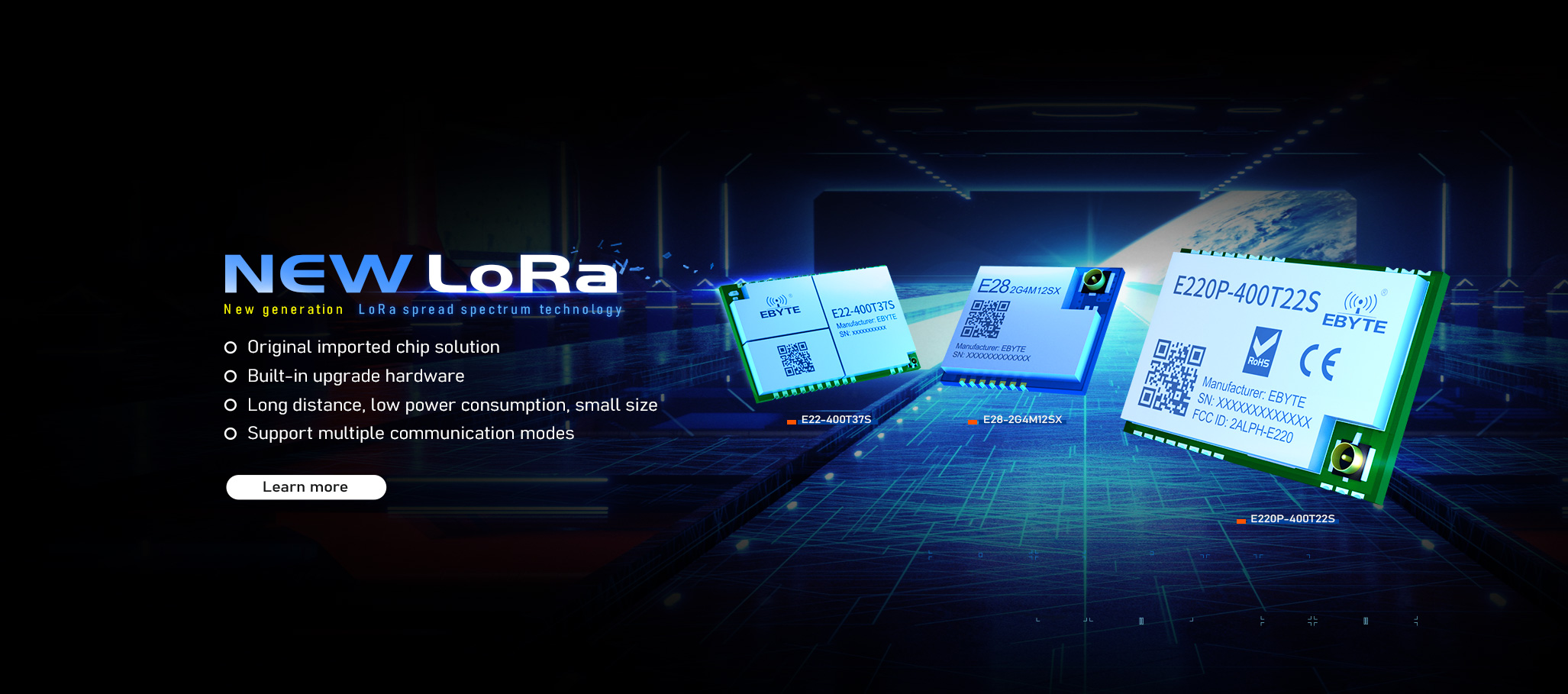
LoRa, which stands for Long Range, is a wireless communication technology specifically designed for IoT applications. It operates on the unlicensed radio spectrum, providing long-range communication with low power consumption. LoRa modules leverage a spread spectrum modulation technique, allowing them to transmit data over long distances while consuming minimal energy.
The Advantages of LoRa
LoRa modules offer several advantages that make them an attractive choice for IoT applications:
- Long Range: As the name suggests, LoRa technology provides long-range communication capabilities. It can cover distances of several kilometers, making it ideal for applications that require wide area coverage.
- Low Power Consumption: LoRa modules are designed to operate on low power, which is crucial for IoT devices. This allows devices to run on batteries for extended periods without frequent replacements.
- Low Cost: LoRa modules offer a cost-effective solution for IoT connectivity. Compared to cellular networks, which require expensive infrastructure, LoRa networks can be deployed at a fraction of the cost.
- Security: LoRa modules have built-in encryption capabilities, ensuring secure communication between devices. This is essential for applications that handle sensitive data.
- Scalability: LoRa networks can support thousands of devices simultaneously, making them suitable for large-scale IoT deployments.
Applications of LoRa in IoT
The versatility of LoRa technology has led to its adoption in a wide range of IoT applications. Let's explore some of the emerging use cases:
Smart Agriculture
The agriculture industry is increasingly utilizing IoT technologies to optimize crop yields and conserve resources. LoRa modules enable farmers to monitor soil moisture levels, track weather conditions, and automate irrigation systems. By collecting and analyzing data, farmers can make informed decisions and improve overall agricultural productivity.
Smart Cities
LoRa technology plays a vital role in the development of smart cities. With LoRa-enabled sensors and devices, cities can monitor and manage various aspects, such as waste management, parking, street lighting, and air quality. By deploying LoRa networks, cities can enhance efficiency, reduce energy consumption, and improve the overall quality of life for residents.
Industrial Monitoring
In the industrial sector, LoRa modules are used for monitoring and controlling critical systems. This includes applications such as asset tracking, predictive maintenance, and environmental monitoring. LoRa technology allows for real-time data collection, enabling businesses to optimize operations, reduce downtime, and improve safety.
Smart Home Automation
With the rise of smart homes, LoRa technology provides a reliable and cost-effective connectivity solution. LoRa-enabled devices can be used for home automation, allowing homeowners to remotely control lighting, temperature, security systems, and other appliances. The low power consumption of LoRa modules ensures that devices can operate for extended periods without the need for frequent battery replacements.
Environmental Monitoring
LoRa modules are well-suited for environmental monitoring applications. They enable the collection of data related to air quality, water quality, noise levels, and more. This data can be used for research, policy-making, and identifying potential environmental risks. LoRa technology provides a cost-effective way to deploy sensors across vast areas, allowing for comprehensive environmental monitoring.
The Future of LoRa in IoT
The adoption of IoT solutions continues to grow, and LoRa technology is poised to play a significant role in this expansion. With its long-range capabilities, low power consumption, and cost-effectiveness, LoRa modules are expected to find applications in various industries. As the technology evolves, we can anticipate further advancements, such as improved data rates and increased network capacity.
In conclusion
LoRa modules have emerged as a compelling solution for IoT connectivity. Their long-range capabilities, low power consumption, and cost-effectiveness make them well-suited for a wide range of applications. From smart agriculture to industrial monitoring and smart cities, LoRa technology is revolutionizing the way we connect and interact with IoT devices. As the IoT ecosystem continues to expand, we can expect to see even more innovative use cases for LoRa modules in the future.


As each business case has its own goals, each Internet of Things system has its own needs, including the needs to connectivity in terms of range, data throughput, latency, etc.IoT applications are emerging in various verticals or application enablement platforms.
Connected cars are already being provided by numerous automotive players, while other smart solutions & services are being developed, such as connected factories & smart agriculture.
As early IoT adopters, various telecom operators are, together with other IoT ecosystem partners, already providing smart services beyond the mobile broadband connectivity.
Global IoT connectivity is the key enabler of digital business transformation.
This leads to informed business decisions.Before choosing Internet of Things connectivity optionsInternet of Things connectivity management services varies in range, power consumption, reliability, cost, bandwidth, & scalability capabilities.
Various options need a specific environment, for instance, closed space with little electromagnetic interference, & is completely useless in other environments such as underground or outdoors.
